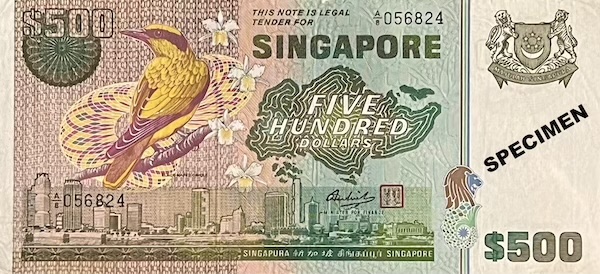
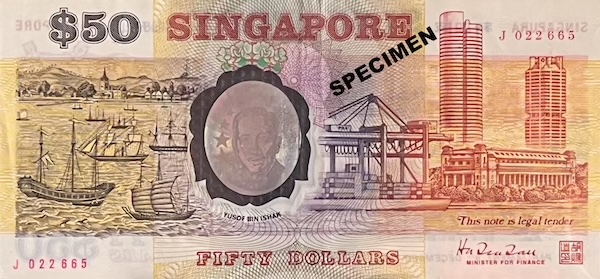
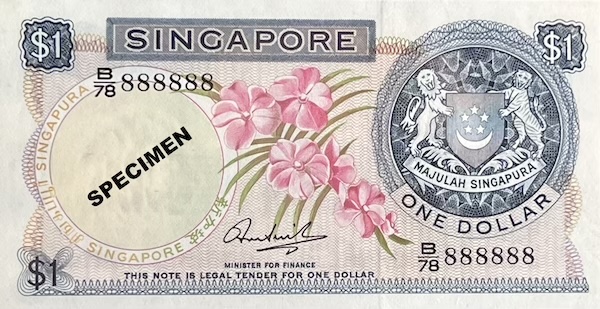
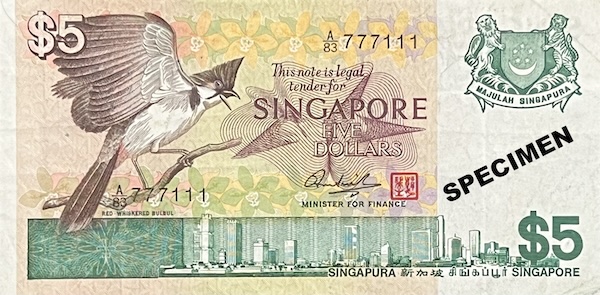
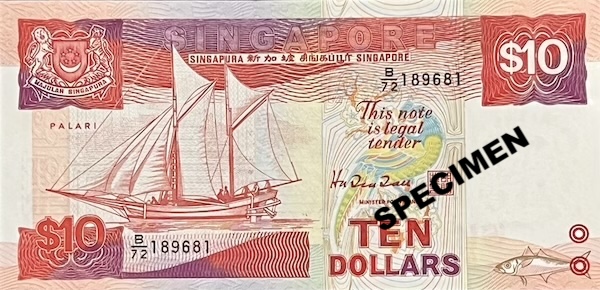
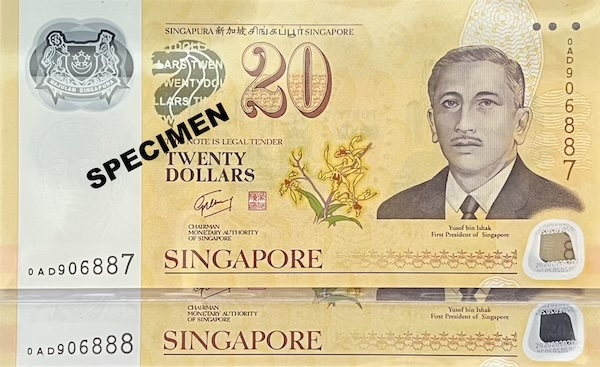
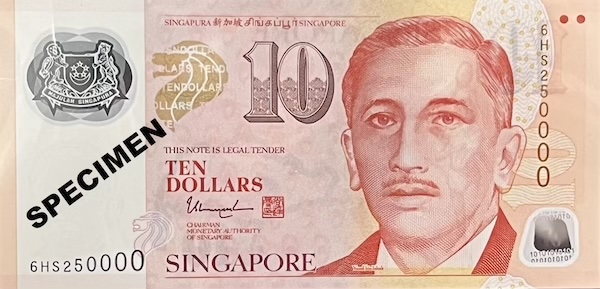
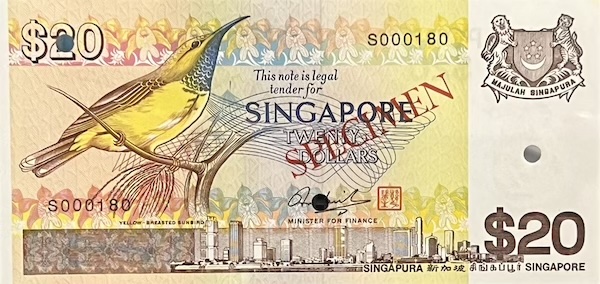
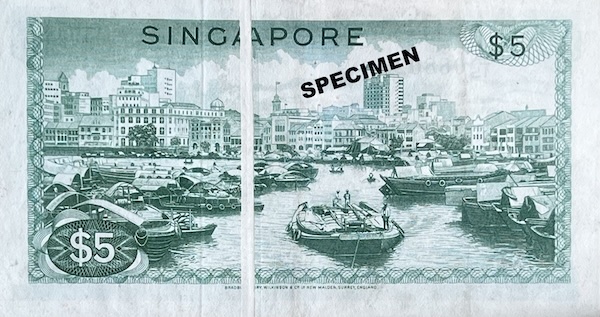
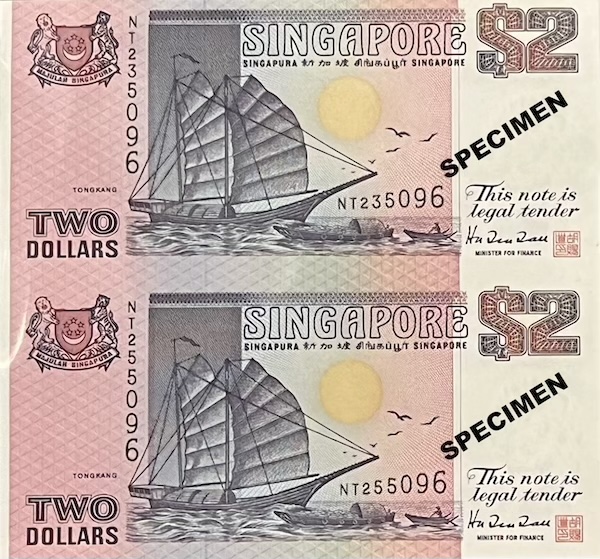
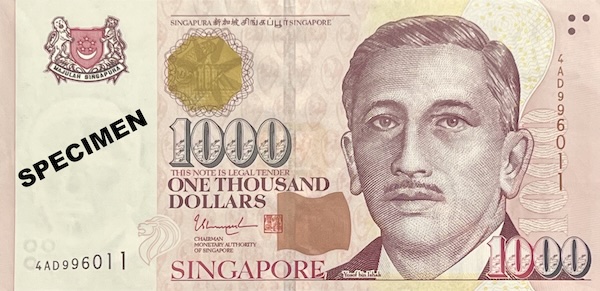
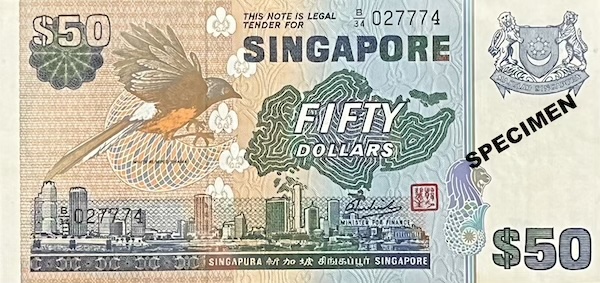
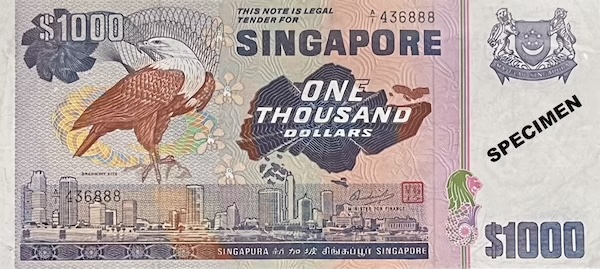
Many of Singapore’s banknotes grow in value over time. Some appreciate immediately upon release; others become prized only after decades. In this chapter, I explore six distinct groups of notes that are rarer and more sought after, each commanding prices above their face value. Beyond these six lies a seventh, more personal category—notes that may hold little market worth, but carry deep sentimental value known only to their owners.
Even if market value doesn’t interest you, collecting banknotes still offers the quiet joy of discovery. Much like hunting for rare Pokémon or collectible game cards, it’s about finding pieces in good to perfect condition, admiring uncommon designs, and recognising the significance of each variation. But unlike other hobbies, collecting banknotes also opens a window into Singapore’s past—each note is a preserved fragment of our nation’s history.
For uncles and aunties who want to sell your banknotes but not sure how much they’re worth, write to me. Send me a picture of your banknote, clearly showing the whole note with its prefix and serial number, and I will estimate how much you can sell it for. I am not offering to buy your note, but just giving you a rough sense of your note’s value, so you don’t get cheated by unscrupulous traders. You don’t have to provide me with any personal information at all.
Special Issues—Numismatic Mementos
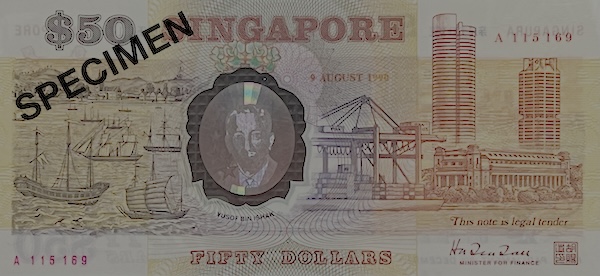
Special issues are notes released by the government on a one-time basis to commemorate an occasion. Examples of such occasions include the 25th anniversary of Singapore’s independence, the 25th anniversary of the Board of Commissioners of Currency in Singapore, the millennium, and the launch of Portrait series banknotes. There are two types of special issues: special designs and special editions.
Special Designs
Special Editions
Special Prefixes—Cherished Initials
Most people do not pay much attention to the prefix of a banknote. However, some prefixes are in fact highly coveted by collectors because they are rarer. There are four types of special prefixes: unique, first, last, and replacement prefixes.
Unique Prefixes
First Prefixes
Last Prefixes
Replacement Prefixes
Special Numbers—Numerical Legends
Asian societies, particularly China, Hong Kong, Taiwan, Thailand, Malaysia, Brunei, and of course Singapore, have a strong fascination with numbers—I surmise it’s because these societies are generally more superstitious. This fascination translates to a higher demand for banknotes with certain types of numbers, driving up their value. In Singapore, collectors seek four types of numbers: golden, auspicious, aesthetic, and complementary numbers. A fifth type—a catch-all category referred to generally as “fancy” numbers—may also fetch slightly more value compared to their mainstream counterparts.
Golden Numbers
Auspicious Numbers
Aesthetic Numbers
Complementary Numbers
Fancy Numbers
Unusual Notes—Anomalies of the Mint
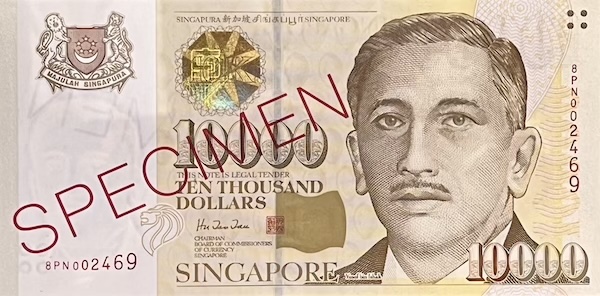
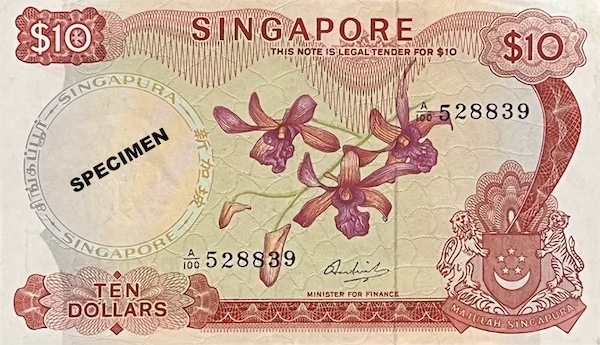
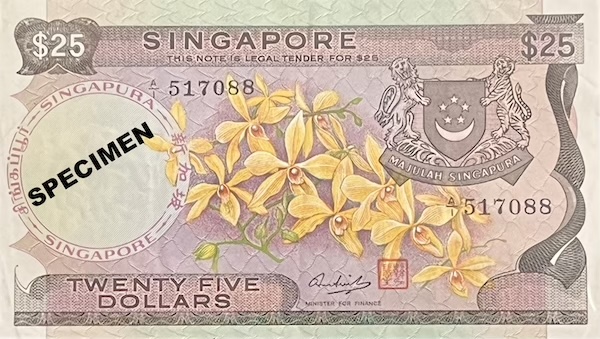
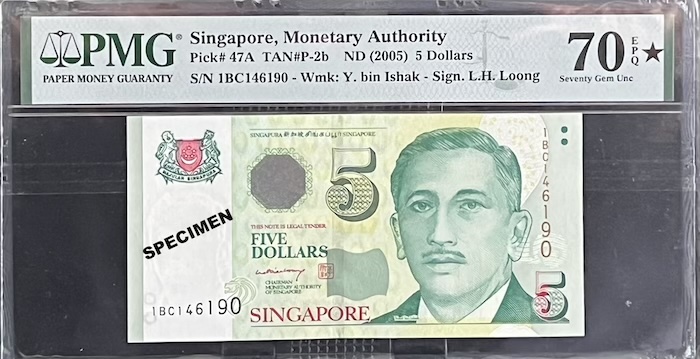
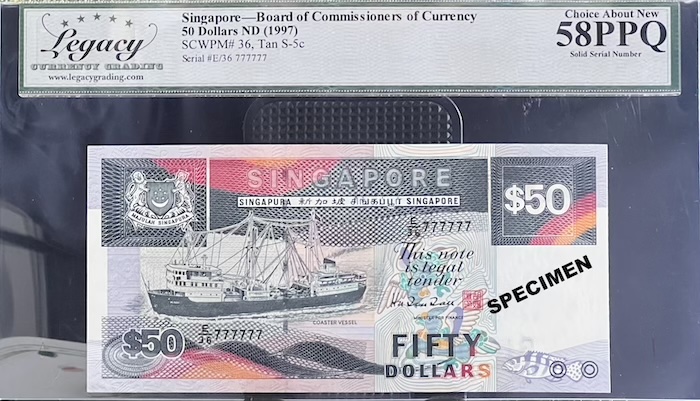
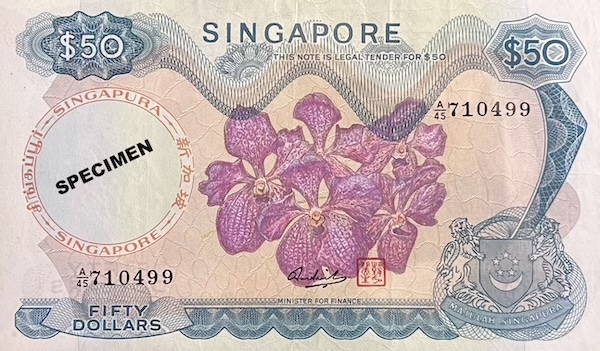
Unusual notes are those a layperson thinks are not valuable, but are in fact invaluable. There are three types of unusual notes: specimen, error, and uncut notes. Upon encountering such notes, the layperson’s first instinct may be to quickly use them or exchange them away for fear they may be worthless, damaged or fake. But that will be an expensive mistake—one I had unfortunately made myself—as these notes are among the most coveted in the collector’s market.
Specimen Notes
Error Notes
Uncut Notes
Discontinued Notes—Forgotten Bills of Yore
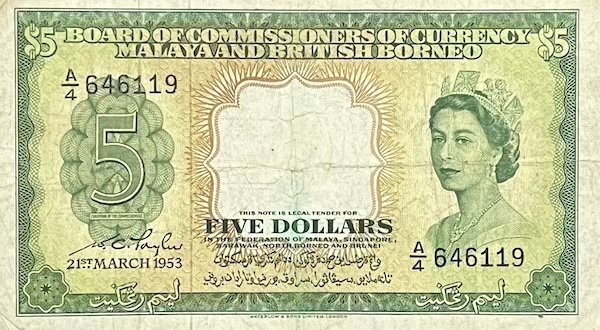
Discontinued banknotes naturally command a higher value due to their rarity, and sometimes historical significance. I group them into three categories: withdrawn Portrait notes, heritage notes from the Orchid, Bird and Ship series, and colonial notes issued by the British before Singapore attained our independence.
Withdrawn Portrait Notes
Heritage Notes
Colonial Notes
Graded Notes—Endorsed Treasures
Like children taking examinations, banknotes can also be subject to tests and grading. Banknote grading is the practice of assessing a note’s condition to determine its quality and authenticity. This it turn affects its value, with high grades increasing a note’s value multiple times. In Singapore, banknotes are mostly sent to PMG for grading, although other options are also available.
PMG-Graded Notes
Non-PMG Graded Notes
Personal Troves—Priceless Heirlooms
The final group of gems is our personal troves: notes that hold immense value to us personally. They are heirlooms passed down from our loved ones, or cherished keepsakes we painstakingly collected and hope to bequeath to the next generation. Others may not recognise their worth—but to us, they are priceless or nearly so, and we will part with them only for an unreasonably high offer. Personally, my trove consists of the inherited notes given to me by my loved ones, and the fortune notes I hope will bring good luck to my business.