The flats at Tanglin Halt were among the first housing estates in Singapore. For many, the flats were more than just buildings; they were the start of a new life. As Singaporeans moved into these modest homes, we were filled with hope. The flats stood as a promise from our leaders that every family would have a place to call our own. In the corridors of these flats, echoes of laughter and chatter abound, neighbours became lifelong friends, and many of us learned a new meaning of community.
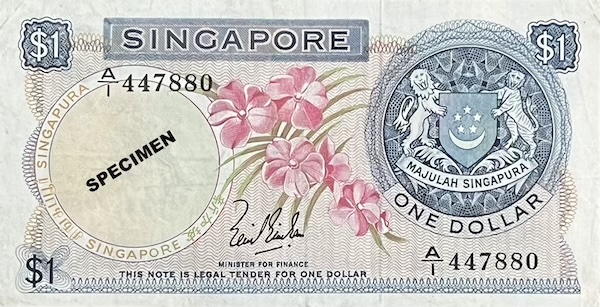
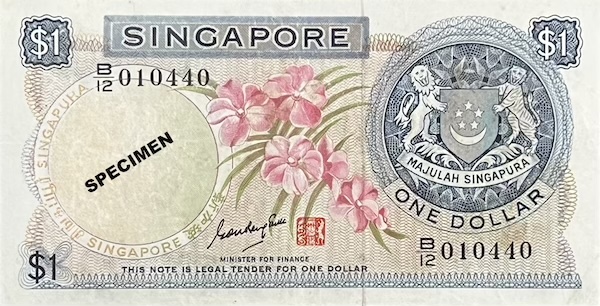
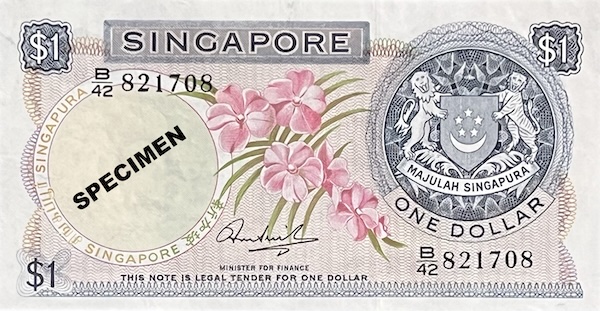
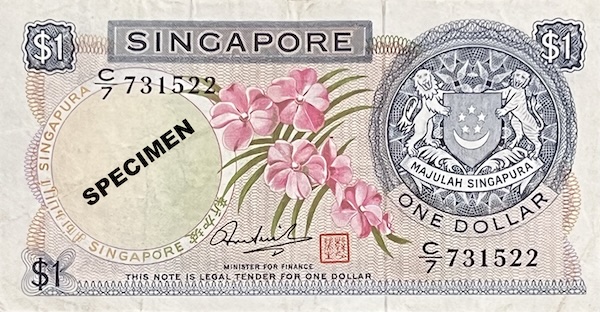
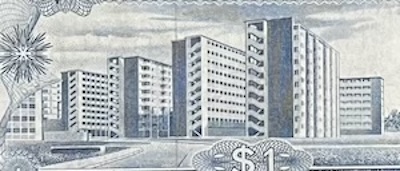
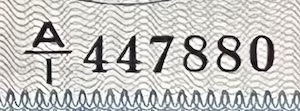
The Orchid $1 note, released in 1967, was the lowest-value note in Singapore’s first set of banknotes after independence. Because of that, it is sometimes seen as Singapore’s very first banknote. Today, it is also one of the notes that has gone up the most in value. This isn’t surprising, since low denominations tend to appreciate more, and this note was printed almost 60 years ago. It is also the smallest note ever made in Singapore, measuring 121mm by 64mm.
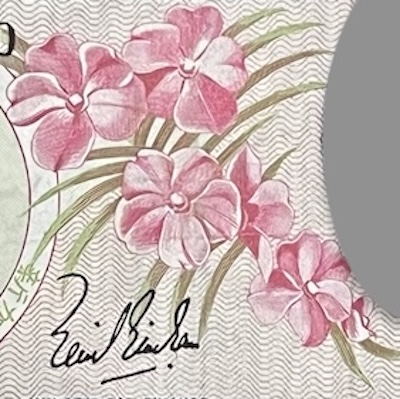
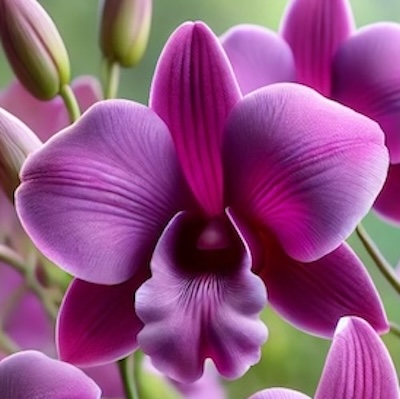
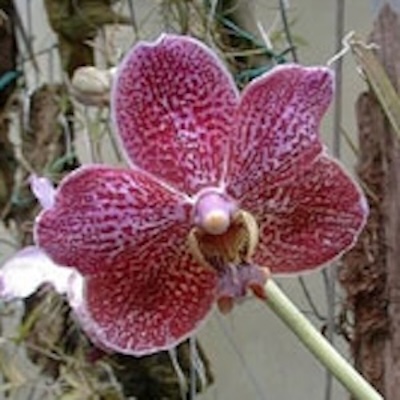
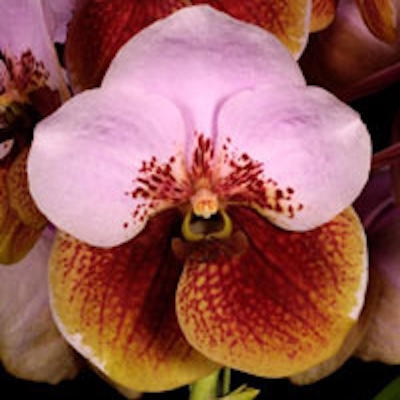
The Papilionanda ‘Janet Kanealii’ is a resilient and beautiful orchid, known for its bright colours and eye-catching flowers. It was first called Vanda ‘Janet Kanealii’, but in 2019, scientists found that it was not fully part of the Vanda group. Because of this, it was moved to a new group called Papilionanda. This change also applies to Singapore’s national flower, which should now be called Papilionanthe Miss Joaquim. However, since the name Vanda Miss Joaquim is already a big part of our history and identity, the government decided to retain the old name.
From Slums to Storeys
HDB Flats at Tanglin Halt
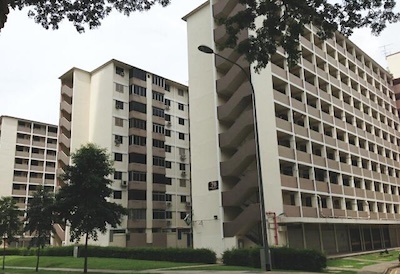
The Housing and Development Board (HDB) was set up in February 1960 to address Singapore’s serious housing problem. At that time, more than 400,000 people were living in slums or squatter areas without proper toilets, clean water, or electricity. In October 1960, HDB completed its first flats in Tanglin Halt, Queenstown.
First HDB Flats at Tanglin Halt6
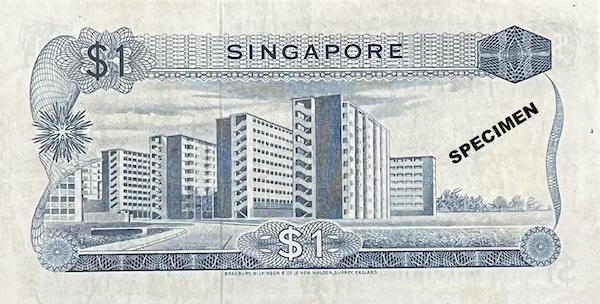
The Orchid $1 note shows the old Blocks 74 to 80 Commonwealth Drive in the Tanglin Halt area. These flats were completed in 1962 and were affectionately known as the ‘10-storey flats’ (or chup lau chu 十楼五 in Hokkien, which means ’10-floor houses’). The name Tanglin Halt came from a nearby train station where trains used to halt, or stop.
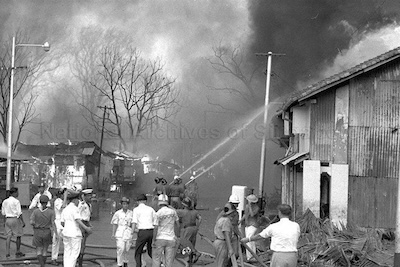
1961 Bukit Ho Swee Fire7
In 1961, a big fire broke out in Bukit Ho Swee and destroyed a large kampong, leaving about 16,000 people homeless. After that, HDB stepped up its efforts to build flats and move people out of kampongs. In just three years, more than 20,000 new flats were built. Because the cause of the fire was never clearly confirmed, some people spread a baseless rumour that the government had set the fire on purpose to clear the area. However, there is no evidence to support this claim, as historians and investigators agree that it was a tragic accident.
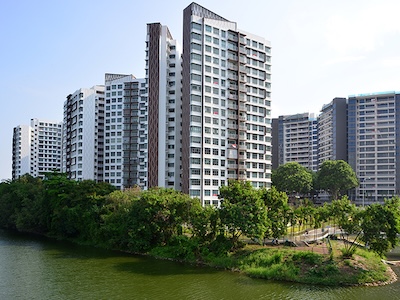
HDB Flats Today8
Moving into HDB flats was a big change for many families, especially those who came from kampongs. For our parents and grandparents, it was often the first time they had access to running water, electricity, and proper toilets in their own homes. Life became more comfortable, cleaner, and safer. These new flats made a huge difference, helping tens of thousands of families enjoy a much better standard of living.
Market Value in 2024
Market Price: $1o0
Condition
• Ungraded
• Lightly used
• No tears, pinholes or stains
• Minor foxing
• Visible creases & folds
Context
• The information here refers specifically to the banknote featured on the top of this page.
1. Prefix and banknote details from Vincent Tan and Tan Wei Jie, Singapore Banknotes: Complete Prefix Reference, Mr Banknotes, 2017.
2. Orchid registration details from International Orchid Register.
3. Image generated by ChatGPT using DALL·E (OpenAI), 2025.
4. Image by Patricia Harding. Source: www.orchids.org/grexes/papilionanda-nellie-morley.
5. Image by Tom Kuligowski. Source: https://www.orchids.org/grexes/vanda-sanderiana.
6. Image from Remember Singapore. Source: https://remembersingapore.org/2014/07/13/the-end-of-tanglin-halt.
7. Image from National Heritage Board. Source: www.roots.gov.sg/stories-landing/stories/bukit-ho-swee-fire/story.
8. Image from Housing and Development Board. Source: https://www.hdb.gov.sg/about-us/history/hdb-towns-your-home/hougang.
Disclaimer
I built this website as a hobby, to share with others what I’ve learnt. All the information here is written based on my own research and understanding, and I don’t guarantee that everything is correct, complete, or updated. While I sell banknotes here, I don’t profit from them, as they are spare pieces from my private collection. All the banknote images here are taken by myself and they belong to me. The non-banknote images, with sources that I’ve attributed on every page, are used solely for illustration and non-commercial education purposes. If you are a copyright holder and believe something has been used inappropriately, please contact me, and I will immediately review or remove it.