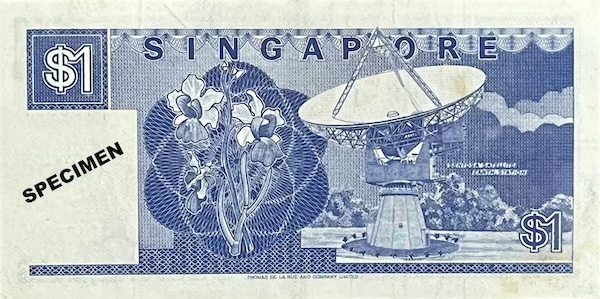
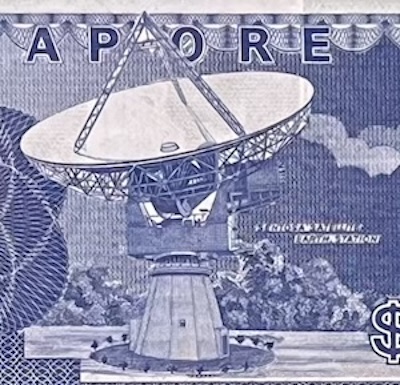
The Sentosa Satellite Earth Station was a technological marvel that connected us to the world. It was a symbol of our leap into the future and foray into the field of advanced communications. The giant satellite dishes were like our ears, listening to the world, ensuring that our nation was never left out of the global conversation. This station was a testimony of our forward-thinking vision and our drive to embrace cutting-edge technology.
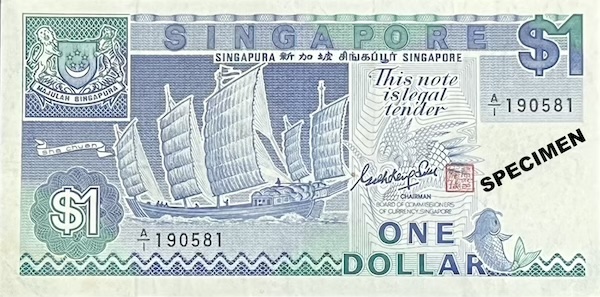
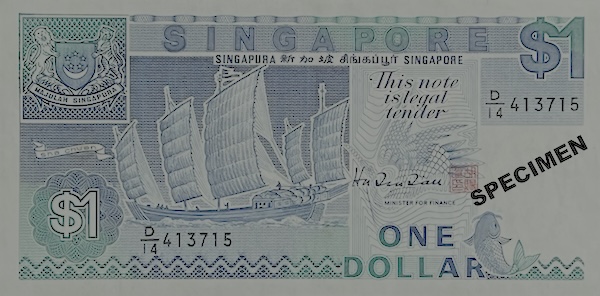
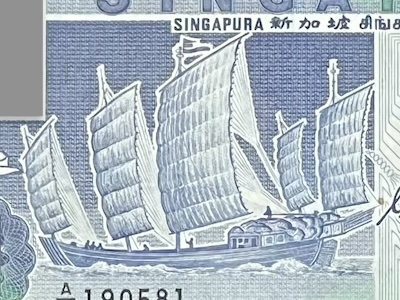
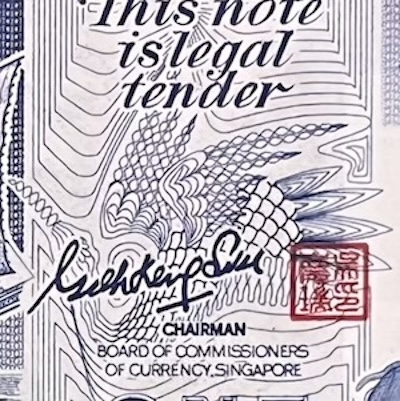
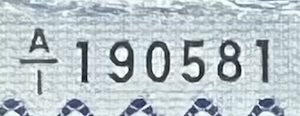
The Ship $1 note, issued in early 1987, was discontinued in 1989, making it the shortest-lived banknote in Singapore’s history. The government stopped using the note to encourage people to use the $1 coin instead. The Ship $1 was also one of only three notes in the Ship series—alongside the $100 and $1000 notes—to be signed by both Chairman BCCS Goh Keng Swee and Minister for Finance Hu Tsu Tau. The other denominations were only signed by Hu Tsu Tau.
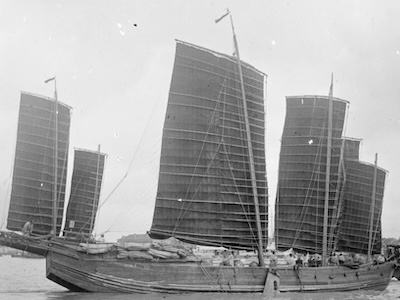
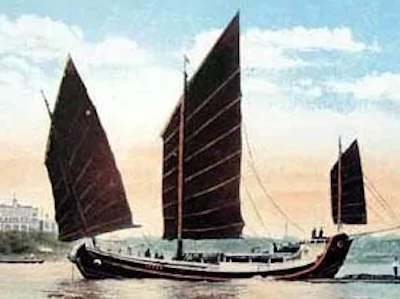
The 沙船 (Sha Chuan), also known as the ‘sand ship’, was one of the Four Great Ancient Ships of China. It was made mostly of wood and had a flat bottom, a wide and strong body, and several masts with sails. The flat bottom helped the ship sail safely in shallow waters and made it easy to land on beaches without damaging the ship. Long ago, the Sha Chuan was one of the types of ships used by our ancestors to travel from other parts of Asia to Singapore.
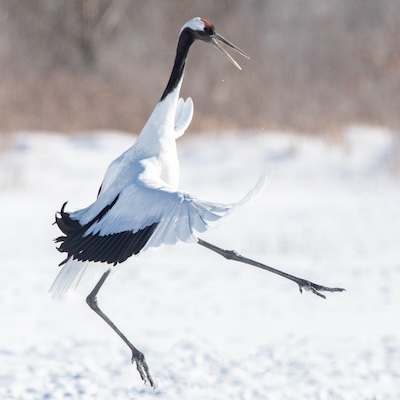
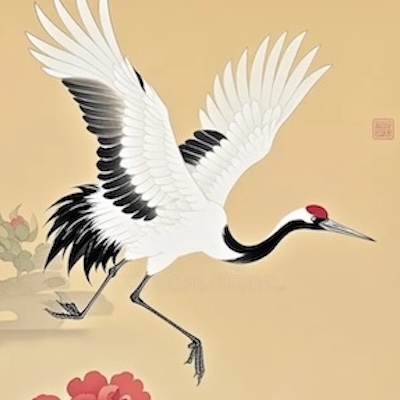
In Chinese folklore, the crane 鹤 is depicted in art, literature, and culture as a creature that lives for a thousand years. With its long life span, it is known as the ‘bird of the immortals’, associated with longevity, immortality and wisdom. This was especially the case after the rise of Taoism during the Han dynasty, when a Taoist priest was said to be able to transform into a crane. The crane, as a homophone for ‘harmony’ (合) in the Chinese language, also symbolises peace, and a pair of cranes conveys well wishes for a long and happy marriage. The crane also represents high status, as it is regarded as ‘a bird of the first rank’ in the imperial hierarchy.
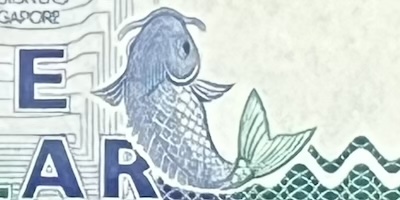
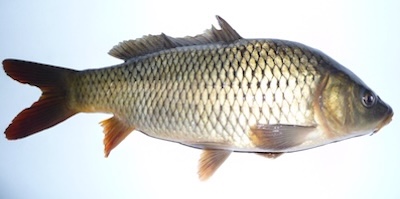
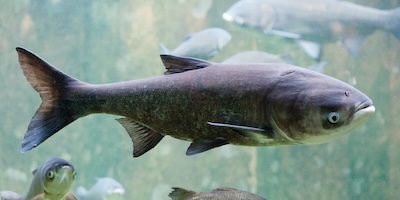
In Chinese culture, the carp (鲤鱼, Lǐyú) is a symbol of perseverance, change, and prosperity. These beliefs come from old stories that admire the carp for its strength and ability to swim against strong currents, showing determination and resilience when facing challenges. One famous story, called ‘The Carp Leaping Over the Dragon Gate’ (鲤鱼跳龙门), tells of a carp that jumps over a waterfall and becomes a powerful dragon. This story is used to show that hard work leads to success and personal growth. The carp also stands for wealth and good luck, because the word for carp (鲤, Lǐ) sounds like the word for profit (利, Lì) in Chinese. That’s why carp often appear in traditional paintings and Chinese New Year decorations, as a sign of abundance and prosperity. Interestingly, the Koi fish that many people in Singapore keep in ponds is actually a type of carp—bred for beauty instead of for eating or fishing.
Sentosa Earth Station: Singapore’s Gateway to Global Connectivity
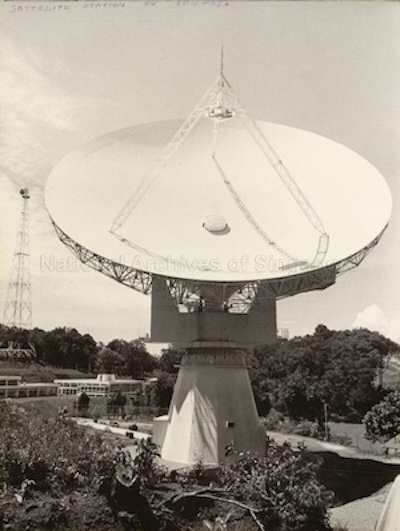
Sentosa Satellite Earth Station
When the Sentosa Satellite Earth Station opened in 1971, it marked a big moment in Singapore’s history—we had officially entered the space communications era. A satellite earth station is a place with big satellite dishes that send and receive signals from space. Before this station, making international phone calls wasn’t easy or reliable. But with this new station, we could connect directly to the rest of the world using a satellite high above the Indian Ocean. Suddenly, talking to someone in another country became much clearer and faster, and it opened up new doors for trade, business, and personal connections.
Sentosa Satellite Earth Station8
Before 1970, Sentosa was still known as Pulau Blakang Mati, and it wasn’t the holiday island we know today. The government picked that spot to build the station because it was far from the city and factories. That meant it was quiet and free from radio interference—perfect for picking up strong, clear signals from space without any ‘noise’ from other machines or buildings nearby.
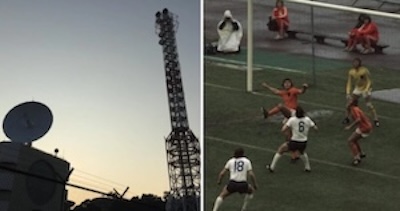
'Live' Sports on TV9
One of the most exciting things the satellite station brought to Singaporeans was the chance to watch ‘live’ events from around the world. Just a year after the station opened, Singaporeans experienced our first ‘live’ Olympic Games broadcast—the 1972 Munich Olympics. Then came the 1974 FIFA World Cup in West Germany, which was also shown ‘live’ on local TV for the first time. Instead of reading about the results in the papers the next day, we could now watch the action unfold in real-time.
Market Value in 2024
Market Price: $10
Condition
• Ungraded
• Well used
• No tears, pinholes or foxing
• Minor stains
• Visible creases & folds
Context
• The information here refers specifically to the banknote featured on the top of this page.
1. Prefix and banknote details from Vincent Tan and Tan Wei Jie, Singapore Banknotes: Complete Prefix Reference, Mr Banknotes, 2017.
2. Image from National Maritime Museum, Greenwich, London. Source: https://greatmingmilitary.blogspot.com/2022/08/sha-chuan-and-ying-chuan.html.
3. Image from Xinhua Finance. Source: https://www.cnfin.com/jucai-xh08/a/20200702/1944994.shtml.
4. Image by Mark Beaman. Source: https://www.wildimages-phototours.com/photography-tours/japan-winter-wildlife/.
5. Image from Dreamstime listing. Source: https://www.dreamstime.com/chinese-freehand-flower-bird-painting-white-crane-flying-bright-red-peony-flowers-generative-ai-chinese-freehand-image344711249.
6. Image by George Chernilevsky. Source: https://en.wikipedia.org/wiki/Common_carp.
7. Image from Circle of Blue. Source: https://www.circleofblue.org/2016/great-lakes/asian-carp-significantly-alter-not-destroy-lake-erie-fisheries/.
8. Image from National Archives of Singapore. Source: https://www.nas.gov.sg/archivesonline/photographs/record-details/3fedb77f-23de-11e6-b4c5-0050568939ad.
9. Image from Wikimedia Commons. Source: https://wonderwall.sg/places/1971-sentosa-satellite-earth-station-opened.
Disclaimer
I built this website as a hobby, to share with others what I’ve learnt. All the information here is written based on my own research and understanding, and I don’t guarantee that everything is correct, complete, or updated. While I sell banknotes here, I don’t profit from them, as they are spare pieces from my private collection. All the banknote images here are taken by myself and they belong to me. The non-banknote images, with sources that I’ve attributed on every page, are used solely for illustration and non-commercial education purposes. If you are a copyright holder and believe something has been used inappropriately, please contact me, and I will immediately review or remove it.