Building Homes, Growing Communities, Greening Our City
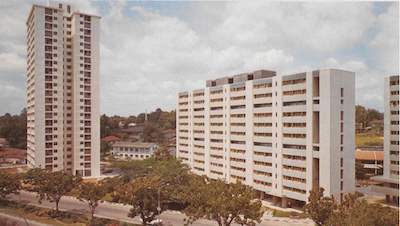
Our public housing projects continued to transform lives. New estates sprang up, providing not just a place for us to live, but a community where friendships blossomed and families thrived. But we were careful not to turn Singapore into a concrete jungle. We softened our spaces with lush greenery, planting trees along roadsides, creating parks around housing estates, and infusing life and colour into our city-state. The greening of Singapore was more than just an aesthetic change; it was our dream of building a better and more liveable city.
One vertical security thread • Prefix A1 to A15: Solid thread • Prefix A16 to C72: Segmented thread
• Prefix Z1: Solid/segmented thread
• Prefix Z2 to Z4: Segmented thread
Intaglio print
Perfect registration of Merlion
Geometric & floral patterns
Solid Security Thread (Front)
Segmented Security Thread (Front)
Solid Security Thread (Back)
Segmented Security Thread (Back)
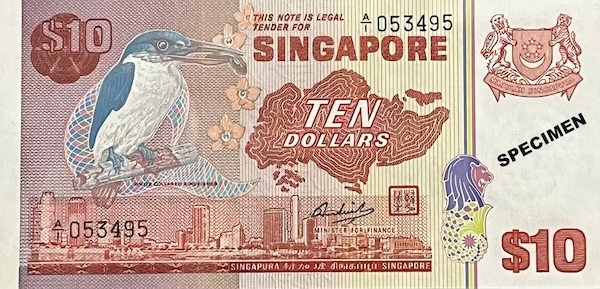
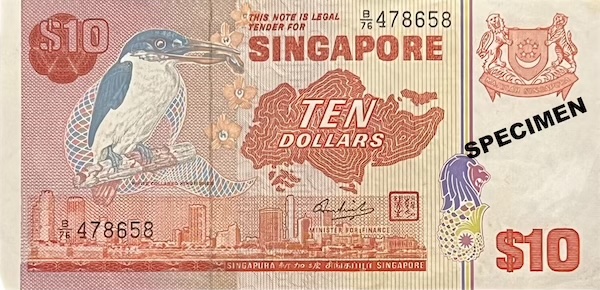
The Replacement Trail of the Bird $10
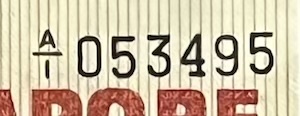
The Bird $10 is special because it has the most replacement prefixes ever used on a Singapore banknote, from Z1 to Z4. The exact reason for this is not known, but it could be because many damaged notes needed to be replaced, or that each prefix was used for a smaller batch of notes—or maybe both. Today, the earlier prefixes like Z1 and Z2 are very difficult to find, which makes them especially valuable to collectors.
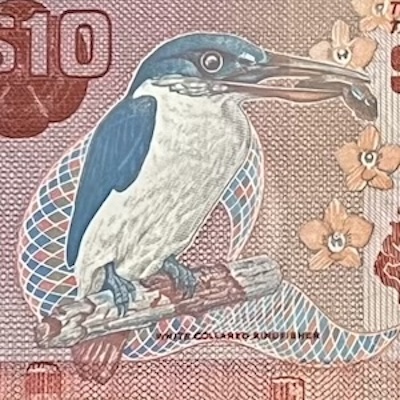
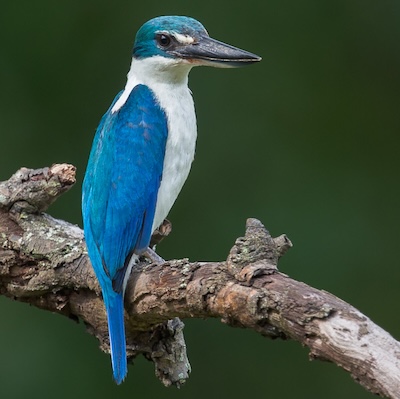
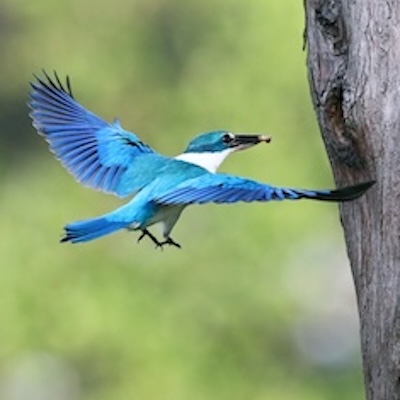
The White-Collared Kingfisher is one of the most common kingfishers in Singapore and can be spotted in many parks and green spaces like Fort Canning Park, Pasir Ris Park, and Sungei Buloh. About 24 to 26 cm long, this bird is mostly blue with a white belly and a thick white ‘collar’ around its neck. It has a black beak, and younger birds look similar but with duller colours. The White-Collared Kingfisher lives near water, in places like mangroves, gardens, and open woodlands, and feeds on fish, lizards, insects, and small frogs. It is widely found across the Middle East, India, Southeast Asia, and even northern Australia. In Singapore, it has adapted well to our parks and scrubland areas and is not considered at risk.
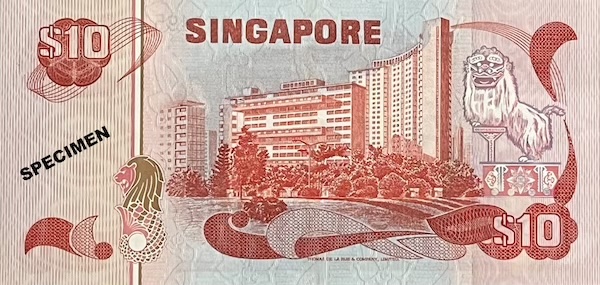
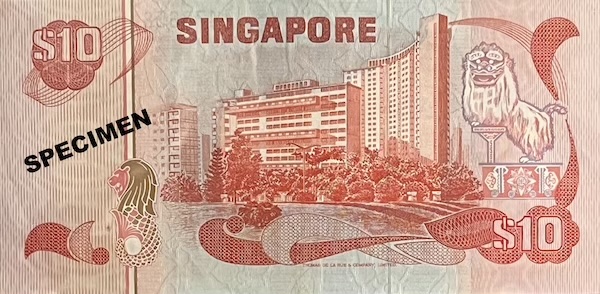
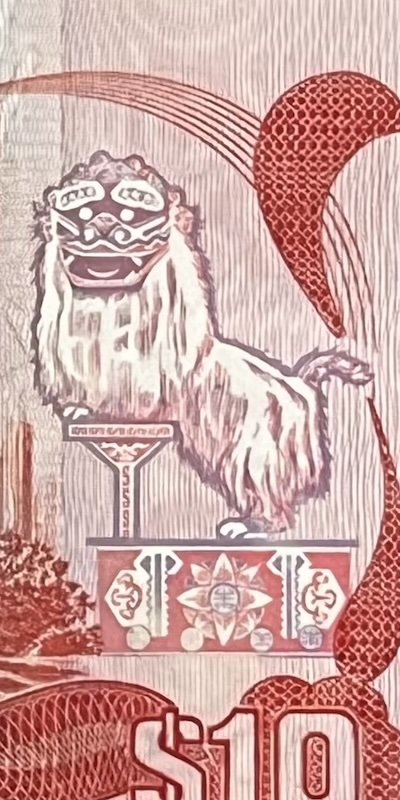
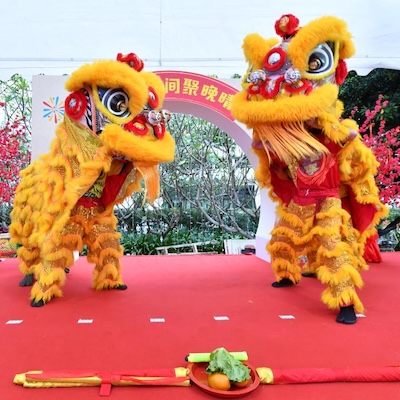
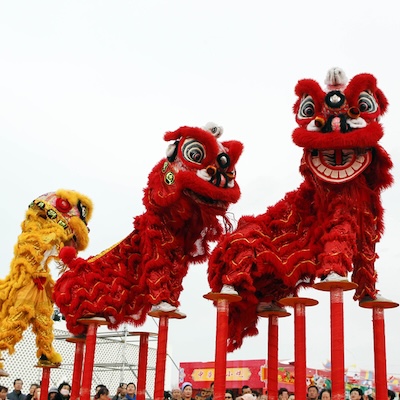
The lion dance is a traditional Chinese performance often seen during festive events, especially Chinese New Year. It is believed to bring good luck and chase away bad spirits. The dance is loud and exciting, with drums, cymbals, and gongs playing in the background. It is performed by two people—one moves the lion’s head and the other controls the body. Together, they make the lion look alive and playful. In a special version called the high pole lion dance (采青 cai qing), the lion jumps from pole to pole, showing off great skill and teamwork. When the lion reaches the top, it symbolises success in overcoming challenges and bringing in wealth and good fortune.
How HDB Flats Grew with Singaporeans
Public Housing
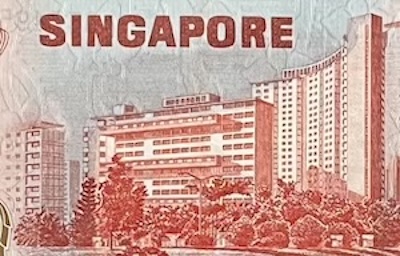
In the 1970s, HDB introduced a new type of flat design called the ‘Point Block’. Unlike the older slab blocks with long corridors and many units on each floor, point blocks had only four units per floor. These flats were usually larger, with four- or five-room units, and offered more privacy for the families living there. Point blocks were built to cater to better-off residents and showed how public housing was improving from the smaller one- to three-room flats that were common in the 1960s.
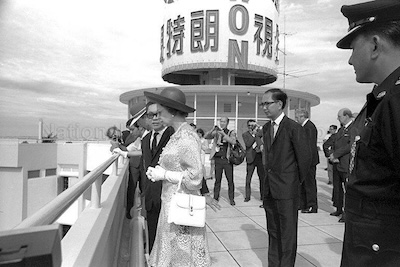
Queen's Visit to Toa Payoh in 19727
The 1970s also saw the development of ‘new towns’, such as Toa Payoh and Queenstown. These towns were designed with self-sufficient amenities, including schools, markets, clinics, and recreational facilities, to reduce the need for residents to travel to the city centre. Toa Payoh was used to showcase such HDB new towns, even hosting Queen Elizabeth II for a tour during her 1972 visit.
HDB 'Point Blocks' and 'Slab Blocks' in the 1970s8
The Home Ownership Scheme was launched in 1964 to allow Singaporeans to purchase, instead of rent, their flats. Initially, it was poorly received as most people could not afford them. The scheme gained traction only after 1968, when people were allowed to pay using their Central Provident Funds savings. By 1984, 62% of Singaporeans lived in flats they owned. This policy transformed us into a nation of homeowners, giving citizens a tangible stake in the country’s progress.
Market Value in 2024
Market Price: $80
Condition
• PMG 35 with no remarks
• Lightly used
• No tears, pinholes, stains or foxing
• Light creases & folds
Context
• The information here refers specifically to the banknote featured on the top of this page.
1. Prefix and banknote details from Vincent Tan and Tan Wei Jie, Singapore Banknotes: Complete Prefix Reference, Mr Banknotes, 2017.
2. Information about birds from Yong Ding Li and Lim Kim Chuah, A Naturalist’s Guide to the Birds of Singapore, 2016; and Birds of Singapore, https://singaporebirds.com.
3. Image by Francis Yap Nature Photography. Source: https://fryap.wordpress.com/wp-content/uploads/2015/11/collared-kingfisher-fy1x3942-117eos1d-140628.jpg.
4. Image by Eddy Lee. Source: https://www.flickr.com/photos/lonesomecrow/33786038564.
5. Image from Kiaansworld Blog. Source: https://coolprinceblogin.wordpress.com/2023/03/21/how-to-prepare-for-the-perfect-lion-dance/.
6. Image by Sui Xiankai, Xinhua. Source: https://global.chinadaily.com.cn/a/201902/06/WS5c5a4a48a3106c65c34e83a8_2.html.
7. Image from National Archives of Singapore. Source: https://www.nas.gov.sg/archivesonline/watermark/picas_data/tn_pcd/19980002764-8105-3181-0542/img0075.jpg.
8. Image from RememberingHDBestates blog. Source: http://rememberinghdbestates.blogspot.com/2018/05/5-room-flats-in-1970s.html.
Disclaimer
I built this website as a hobby, to share with others what I’ve learnt. All the information here is written based on my own research and understanding, and I don’t guarantee that everything is correct, complete, or updated. While I sell banknotes here, I don’t profit from them, as they are spare pieces from my private collection. All the banknote images here are taken by myself and they belong to me. The non-banknote images, with sources that I’ve attributed on every page, are used solely for illustration and non-commercial education purposes. If you are a copyright holder and believe something has been used inappropriately, please contact me, and I will immediately review or remove it.