Chinese Seals

Printed on:

All circulation notes, except Orchid notes signed by Lim Kim San, Orchid $1000 note signed by Goh Keng Swee, initial batches of Orchid $1, $5, $10, $50, $100, and $1000 signed by Hon Sui Sen

• All commemorative notes

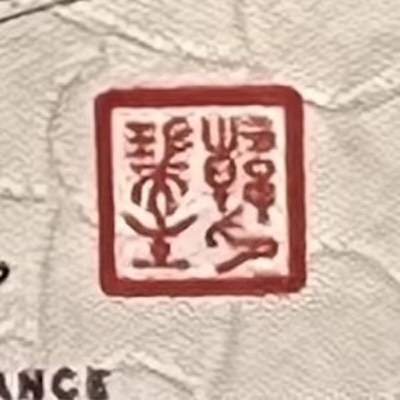
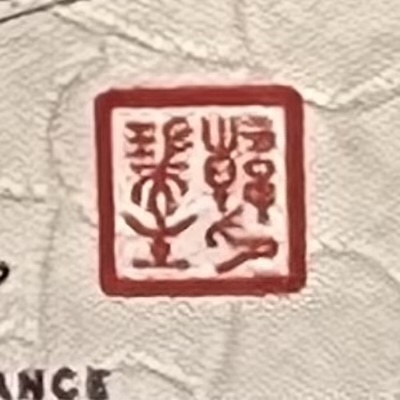
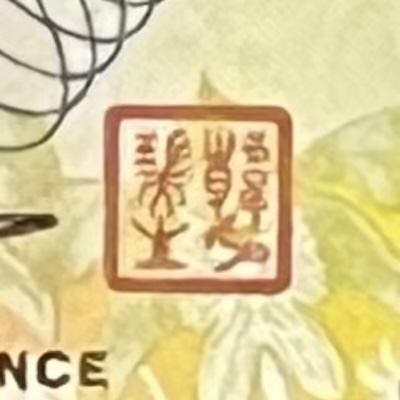
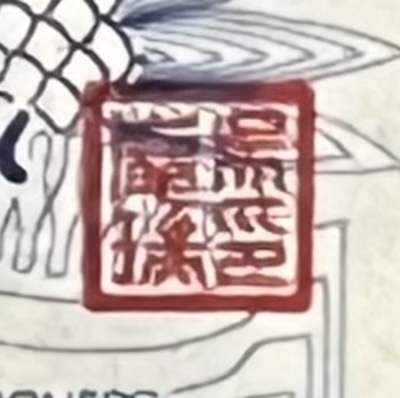
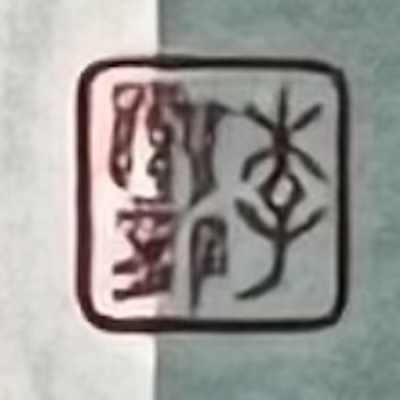
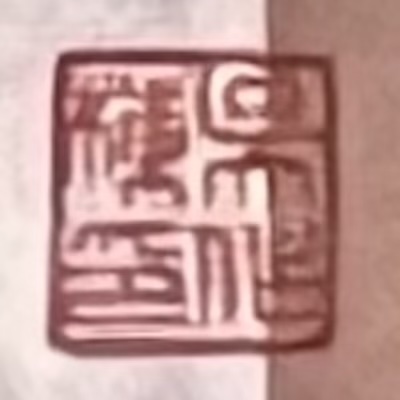
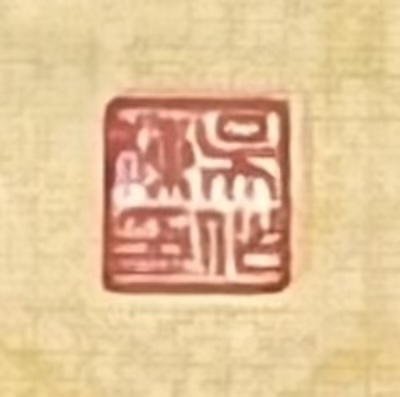
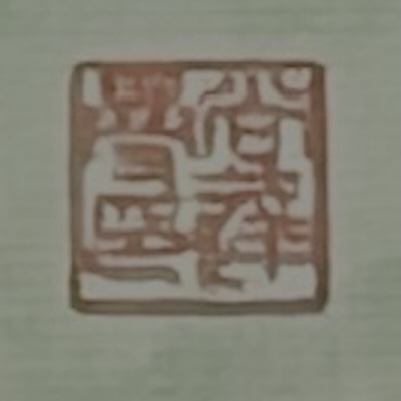
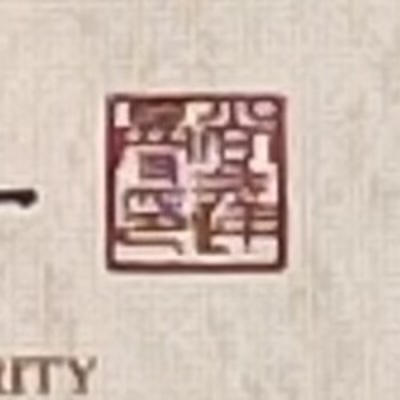
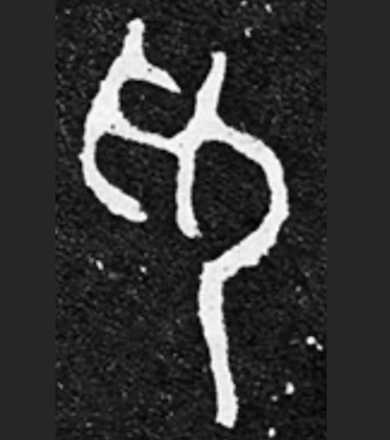
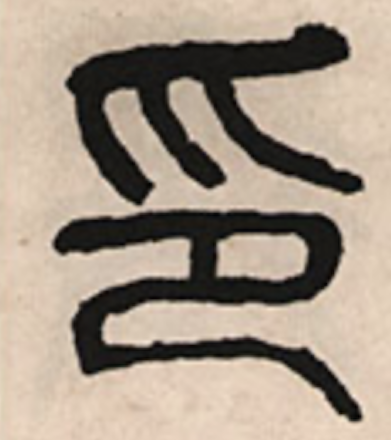
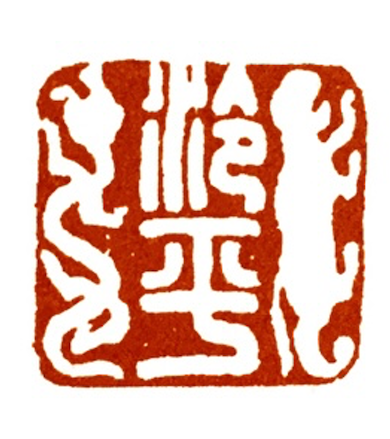
On Singapore’s banknotes, there is a small red stamp printed next to the signature. This stamp is a Chinese seal of the signatory’s name, written in seal script, an ancient style of Chinese writing. Seal script was commonly used more than 2,000 years ago in China to carve words onto official seals for use in government orders, personal documents, and contracts. Seals were seen as proof of authority. Even today, they are still used in places like China, Taiwan, and Japan to sign agreements or artworks. 

O50: Goh Keng Swee 吳慶瑞
O1000: Hon Sui Sen 韩瑞生
B20: Hon Sui Sen 韩瑞生
S1: Goh Keng Swee 吳慶瑞

Singapore banknotes printed after 1970 all carry a red Chinese seal, both for circulation and commemorative issues. The first Finance Minister whose Chinese seal appeared on our banknotes was Goh Keng Swee in 1970. Earlier notes printed before that did not have a seal. These were the Orchid notes signed by Lim Kim San, the $1000 signed by Goh Keng Swee, and the early batches of the Orchid $1, $5, $10, $50, $100, and $1000 signed by Hon Sui Sen. It is not known why these notes did not have a seal. 

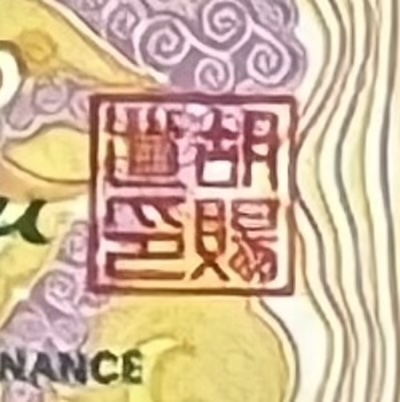
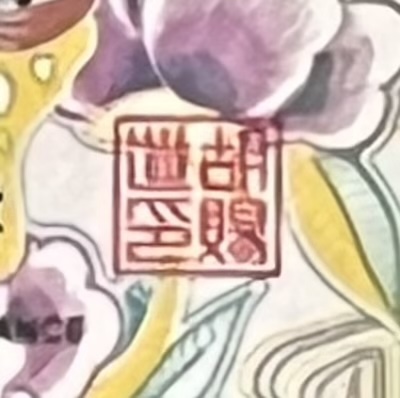
S5: Hu Tsu Tau
胡赐道
SG500: Hu Tsu Tau
胡赐道
P10: Lee Hsien Loong
李顯龍
P50: Lee Hsien Loong
李顯龍

In total, six people have had their seals printed on Singapore notes: Goh Keng Swee, Hon Sui Sen, Hu Tsu Tau (Richard Hu), Lee Hsien Loong, Goh Chok Tong, and Tharman Shanmugaratnam. Lim Kim San was the only Minister for Finance whose signature never appeared with a seal. Goh Keng Swee’s seal design was changed between the Orchid and Ship series. Tharman’s seal is also unusual because his Chinese name, 尚达曼, is not a traditional Chinese name. It is a phonetic translation of “Tharman Shanmugaratnam,” given to him by a Chinese language expert in 1995.

P1000: Goh Chok Tong
吳作棟
CIA40: Goh Chok Tong
吳作棟
P5: Tharman Shanmugaratnam 尚達曼
SG50: Tharman Shanmugaratnam 尚達曼

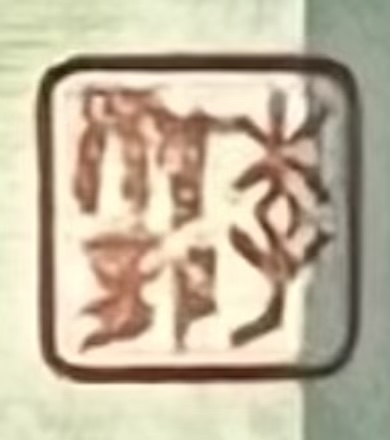
Most Chinese names have three characters, but seals are designed to fit four spaces in a square layout. To fill the extra space neatly, an extra character is added. This character is usually 印, which means “seal” in Chinese. In seal designs, the 印 character can be written in different old styles to match the traditional look—Hon Sui Sen used one style, while most of the others used a different style. Another way to fill the space is to enlarge the surname so that it stretches across two spaces—in Lee Hsien Loong’s seal (李顯龍), the character 李 is made bigger to balance the design without adding a fourth character.

印 Used by Hon Sui Sen
印 Used by Other Signatories
Stretched Surname of LHL
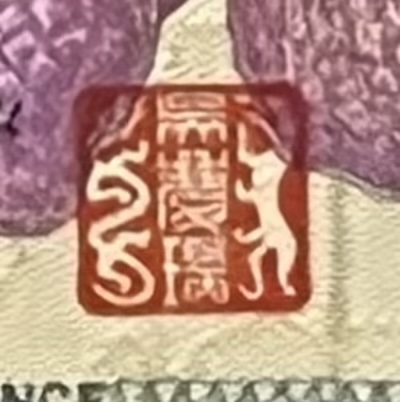
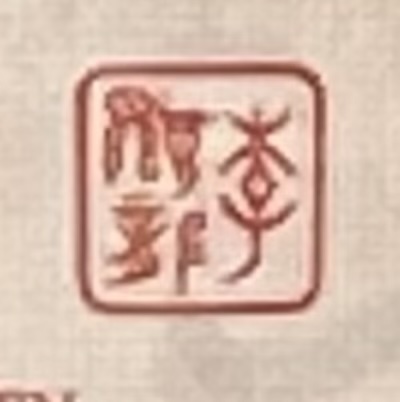
Dragon & Tiger Seal of GKS

Goh Keng Swee’s seal in the Ship series followed the usual style of adding 印, but his seal in the Orchid series was done differently. Instead of adding 印 or enlarging his surname, he used what’s known as a Dragon and Tiger Seal (龙虎印) to fill the space. In this design, the dragon appears on the left and the tiger on the right. The dragon and tiger are powerful symbols in Chinese tradition, and using them made the seal look grand and authoritative. This method was common in ancient times and is still sometimes used today for personal or collector’s seals. 

Disclaimer. I built this website as a hobby, to share with others what I’ve learnt. All the information here is written based on my own research and understanding, and I don’t guarantee that everything is correct, complete, or updated. While I sell banknotes here, I don’t profit from them, as they are spare pieces from my private collection. All the banknote images here are taken by myself and they belong to me. The non-banknote images, with sources that I’ve attributed on every page, are used solely for illustration and non-commercial education purposes. If you are a copyright holder and believe something has been used inappropriately, please contact me, and I will immediately review or remove it.
Shudoo: [email protected] 
Shopping Basket