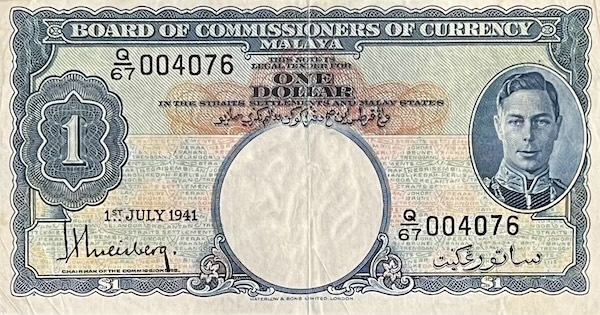
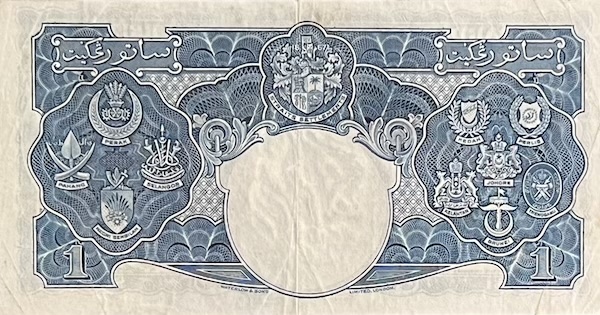
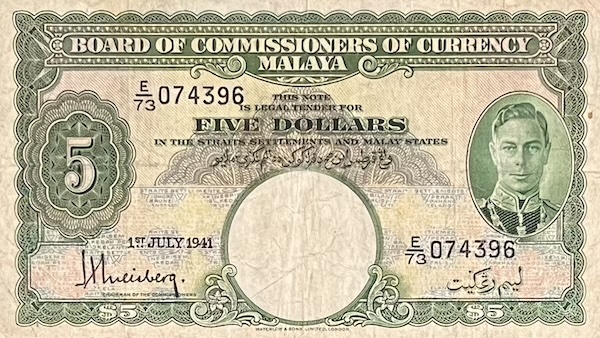
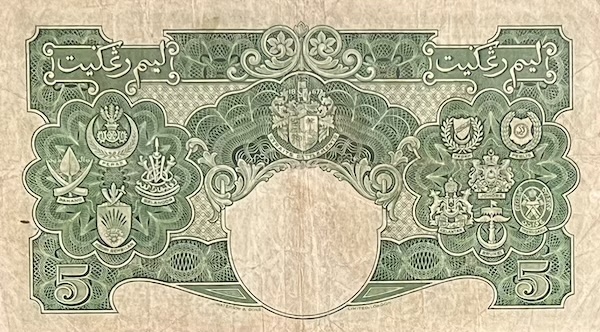
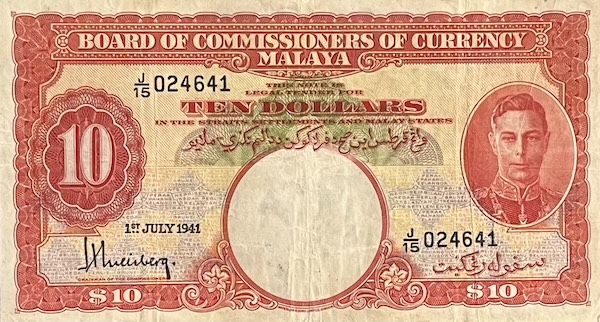
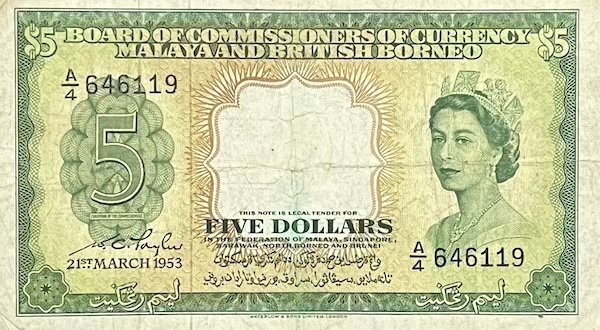
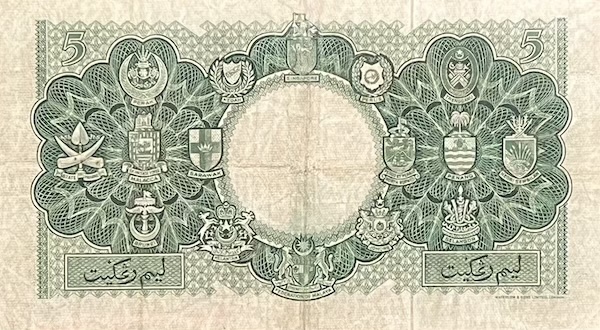
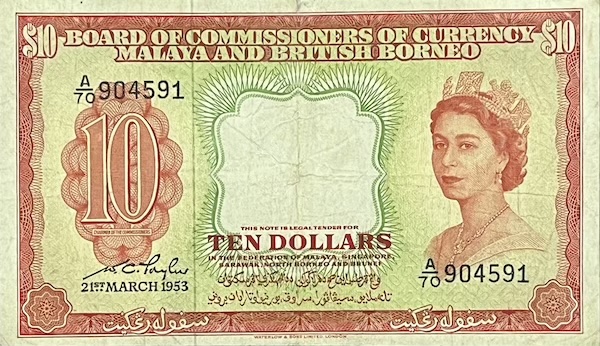
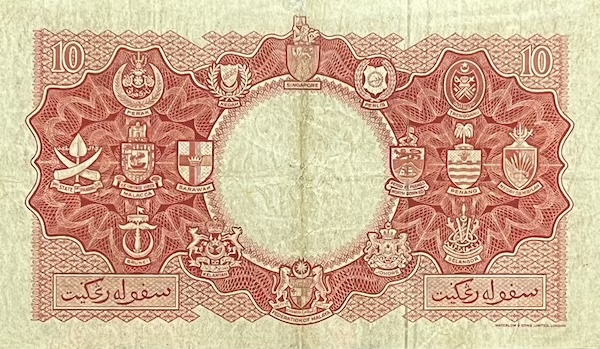
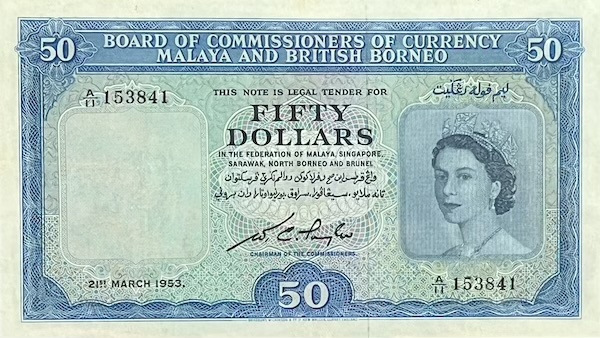
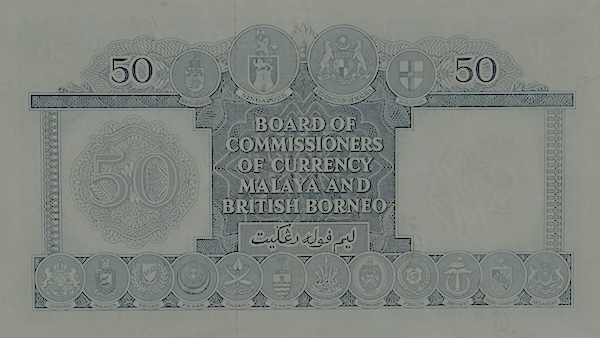
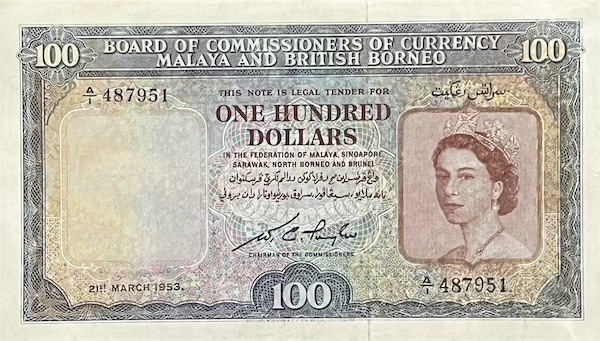
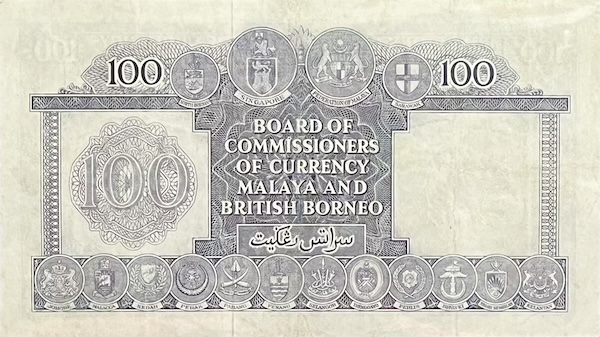
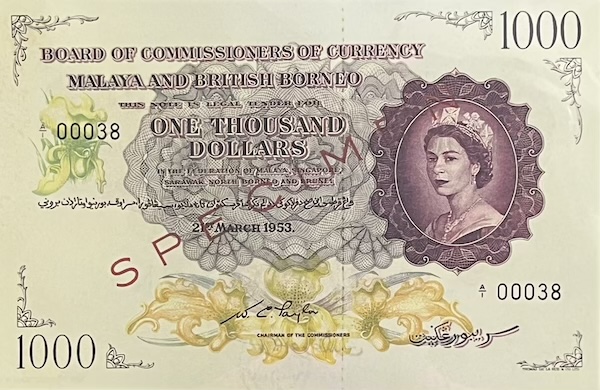
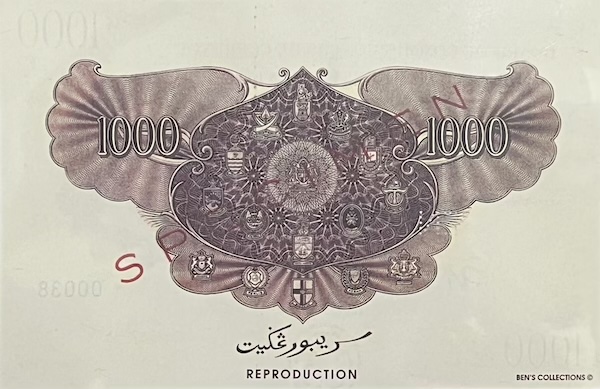
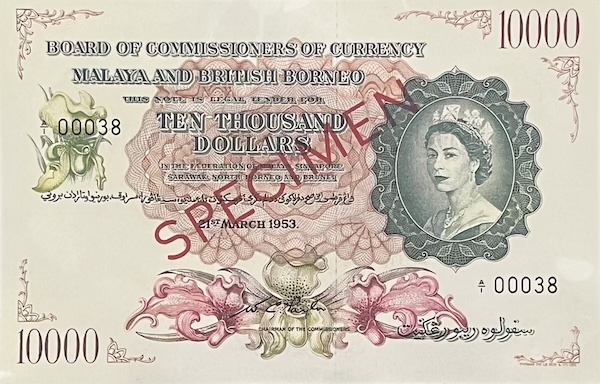
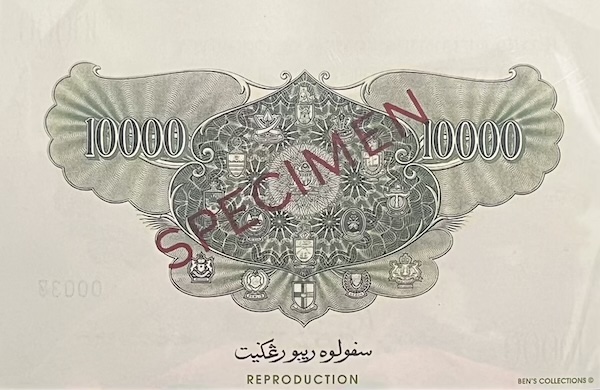
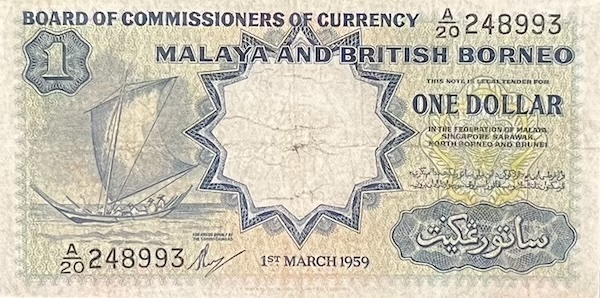
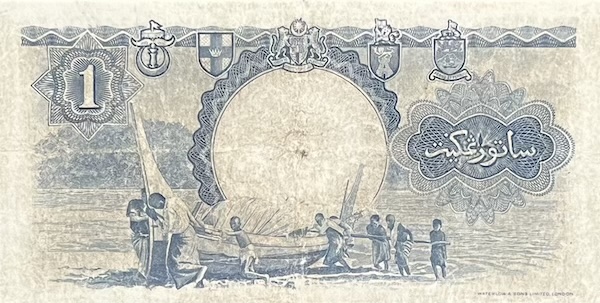
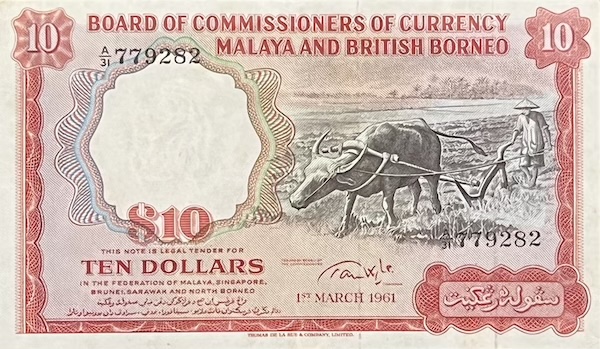
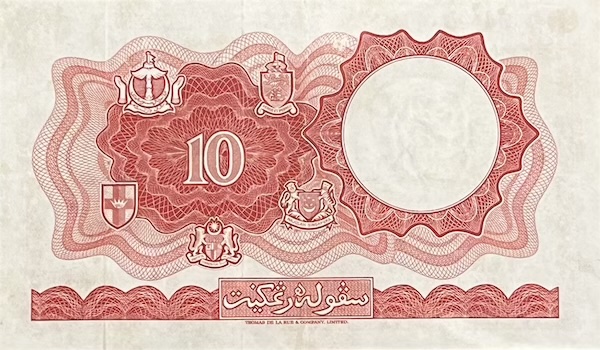
Colonial notes were used before Singapore’s independence—during the days we were still known as “British subjects” rather than “Singaporeans”. They include all banknotes issued during the British rule, such as the Straits dollar, the Malayan dollar, and the Malayan and Borneo dollar, all of which are highly coveted today. For completeness, I have also included in this category the wartime notes issued by the Japanese during their occupation of Singapore, even though they are not colonial notes.
Before the introduction of official banknotes, trade in Singapore relied on a patchwork of foreign currencies. Merchants and traders used a variety of coins including Spanish silver dollars, Indian rupees, Dutch guilders, and Chinese cash coins—reflecting Singapore’s status as a free port and melting pot of cultures. This mix of currencies created confusion and inconsistency, prompting the British authorities to seek a more unified monetary system. The turning point came with the formation of the Straits Settlements Government, a British colonial administration established in 1826 to govern Singapore, Penang, and Malacca—later joined by Labuan. Initially managed by the British East India Company, the Settlements came under direct Crown rule in 1867. To establish order and cohesion, they began issuing official currency, and in 1898, the first Straits Settlements banknotes were introduced.
Unlike discontinued notes issued by the Singapore government, colonial notes are not legal tender. Their value lies exclusively as collectors’ items. And this value is strongly influenced by not just Singaporean collectors—but also Malaysian ones—because these colonial notes were also used by the Malaysian states and represent Malaysia’s history too.
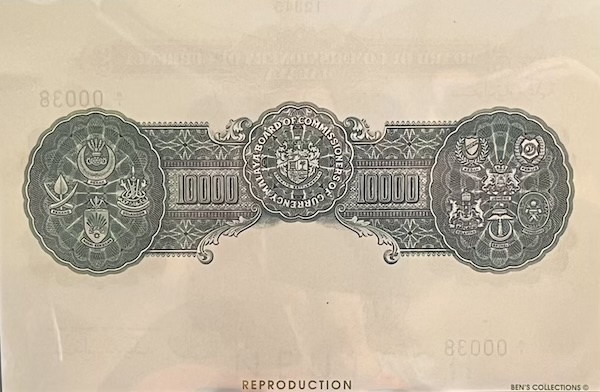
The notes pictured on this page are what I am able to acquire: they are not all completed sets because some denominations may be extinct, were never seen in the market, or are sitting in a museum’s or collector’s display shelf back home. A few notes here are therefore reproduction notes, i.e. privately printed but look exactly like the original note.
Straits Dollar, 1899-1942
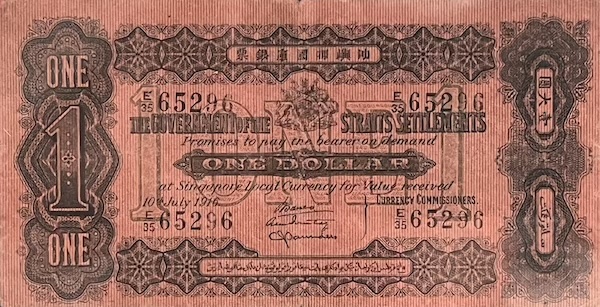
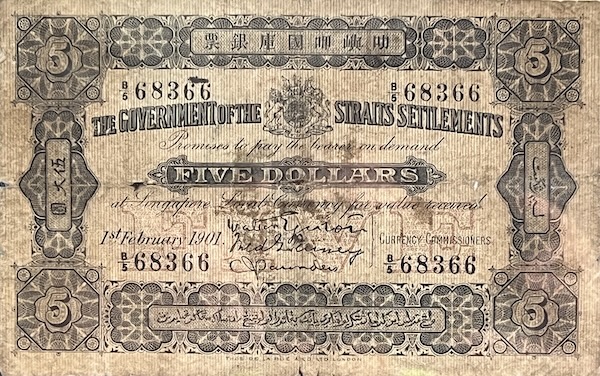
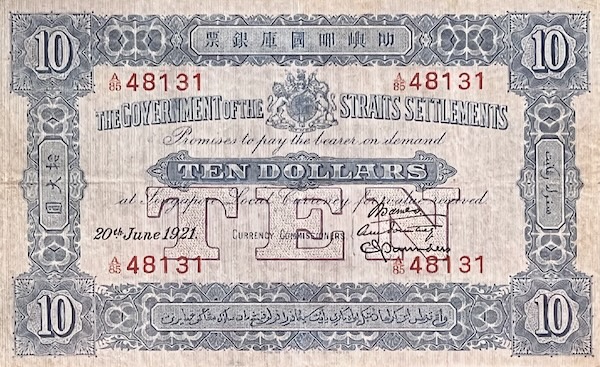
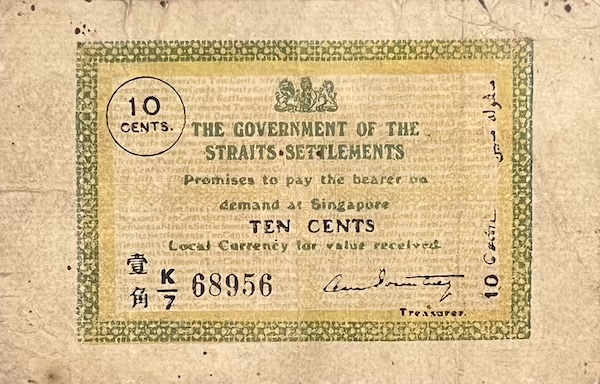
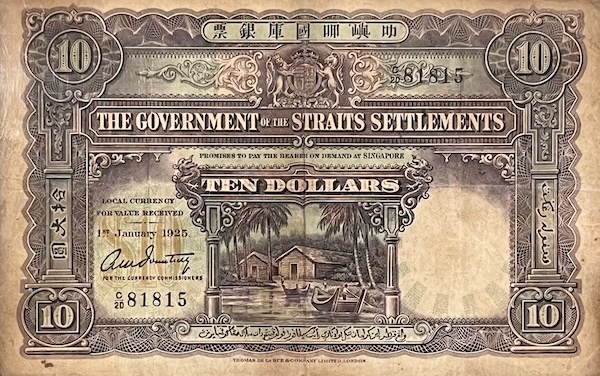
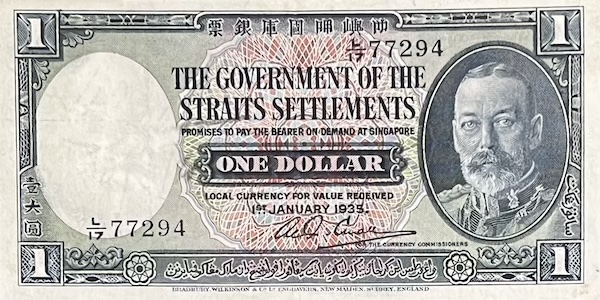
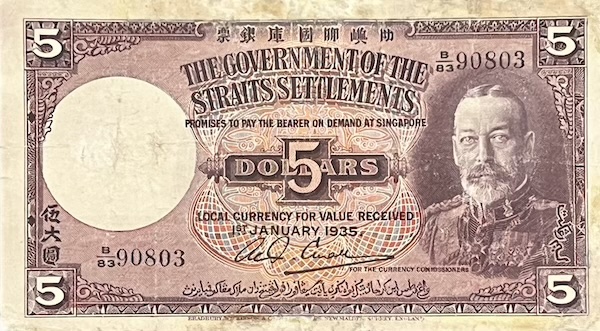
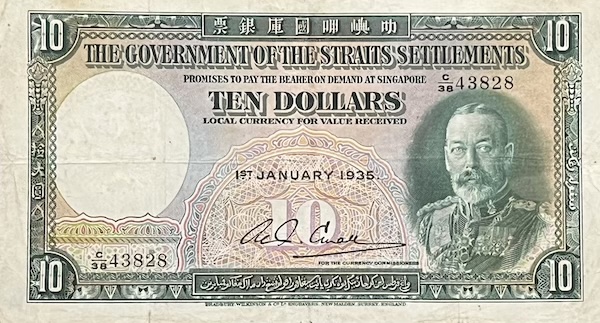
The Straits Settlements notes—referred to as the Straits Dollar—were first issued in 1899 to serve the key trading centres of Singapore, Penang, and Malacca. These early notes from 1899 to 1924 were printed in London and bore the British crown’s authority through formal designs featuring the arms or seals of the Straits Settlements. In 1925, a new series—often called the Attap series for its attap house watermark—was introduced and circulated until around 1930, marking a transition in design and paper quality. From 1931 to 1941, the final pre-war issues carried the portrait of King George V, symbolising imperial continuity and economic stability across the colonies. While most denominations were expressed in dollars, smaller cent denominations were also issued, especially during metal shortages such as those caused by World War I, when coin minting was disrupted. Over the decades, additional denominations appeared, including high-value notes like the $10,000, used mainly for inter-bank settlements. The Straits Dollar remained the official legal tender of the region until the Japanese occupation in 1942 brought the system to an end.
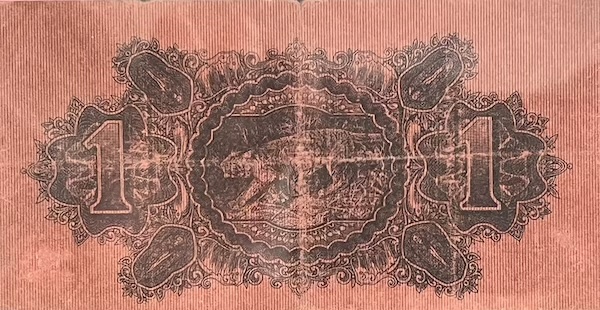
Straits 1899-1924: 1916 $1
PMG 12
Market Price: $800
(2024)
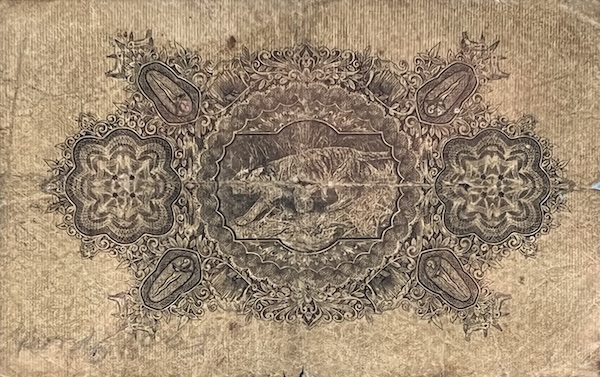
Straits 1899-1924: 1901 $5
Ungraded, heavily used
Market Price: $2100
(2024)
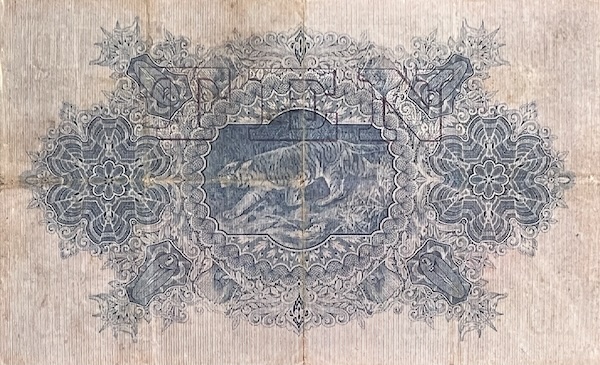
Straits 1899-1924: 1921 $10
PMG 25
Market Price: $12,000
(2024)
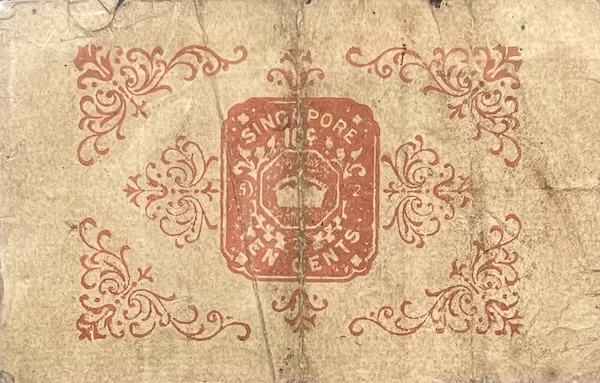
Straits 1917 10 cents
Ungraded, heavily used
Market Price: $120
(2024)
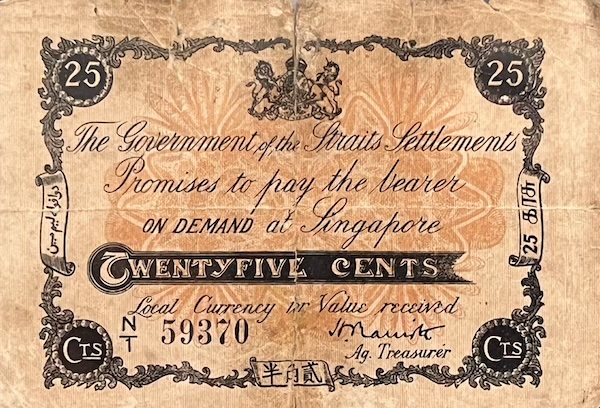
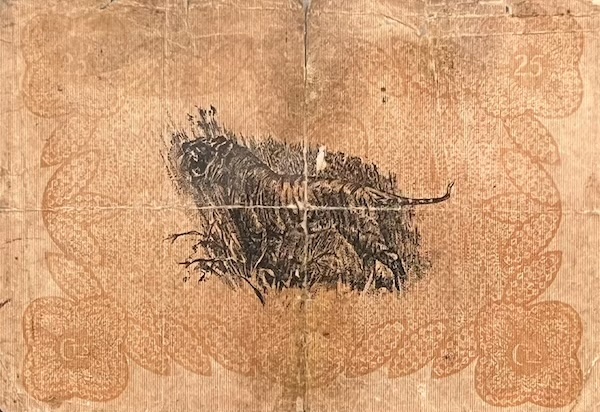
Straits 1917 25 cents
PMG 20, edge damage
Market Price: $1200
(2024)
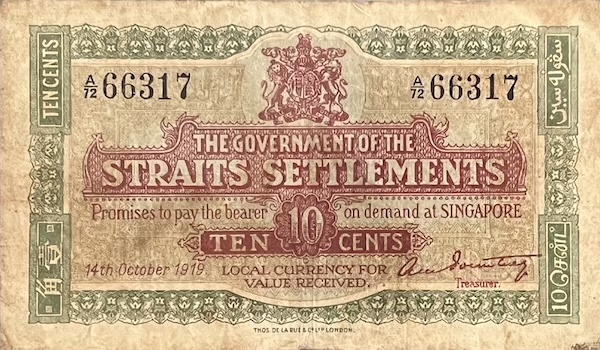
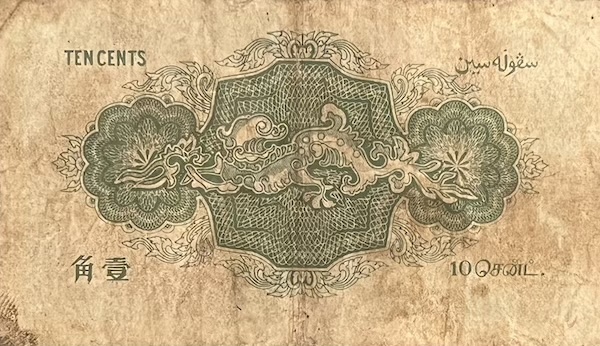
Straits 1919 10 cents
PMG 20
Market Price: $320
(2024)
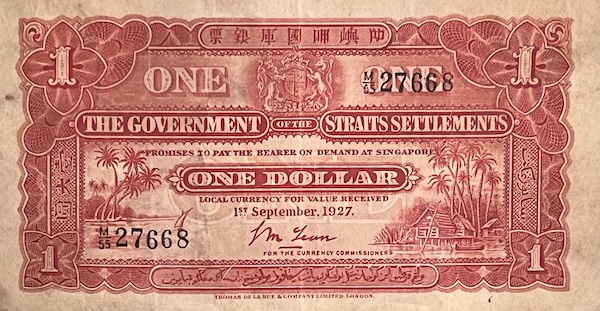
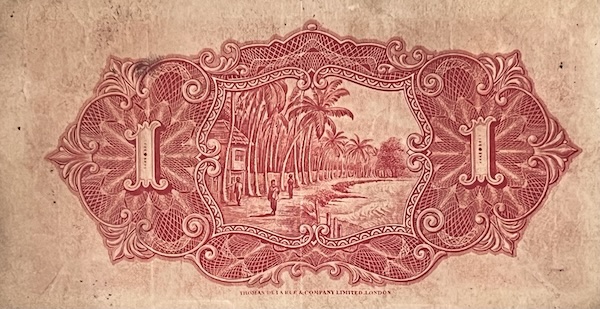
Straits 1925-1930: 1927 $1
Ungraded, heavily used
Market Price: $480
(2024)
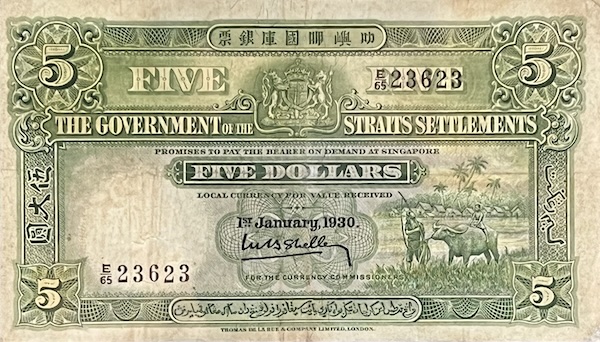
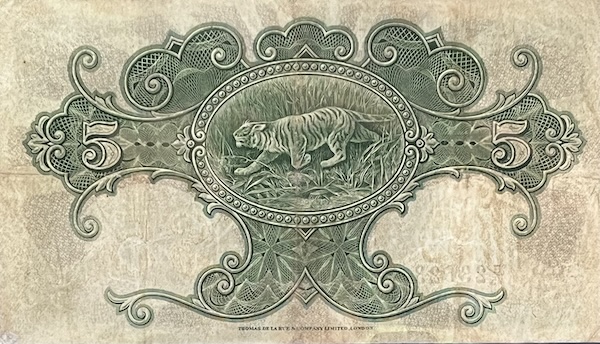
Straits 1925-1930: 1930 $5
Ungraded, well used
Market Price: $3500
(2024)
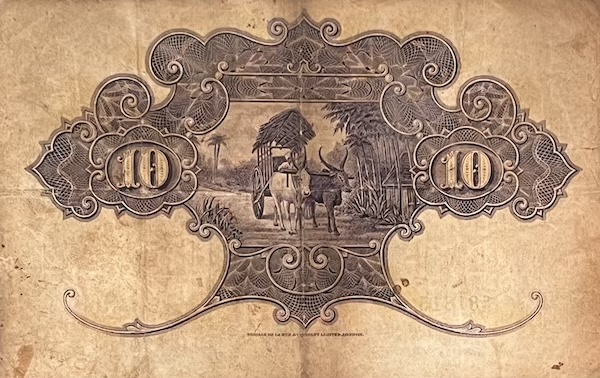
Straits 1925-1930: 1925 $10
PMG 25, stained, minor tear
Market Price: $4500
(2024)
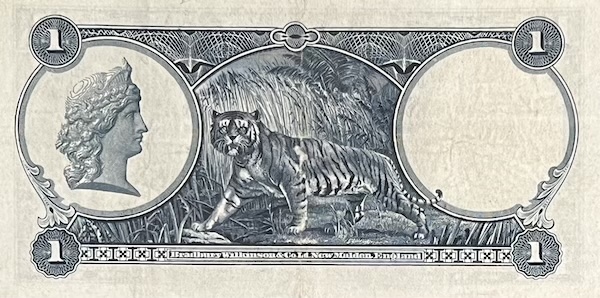
Straits 1931-1941: 1935 $1
PCGS 30, small tears
Market Price: $250
(2024)
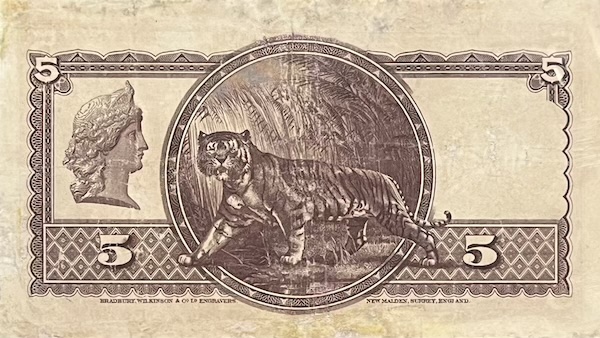
Straits 1931-1941: 1935 $5
Ungraded, heavily used, repaired
Market Price: $260
(2024)
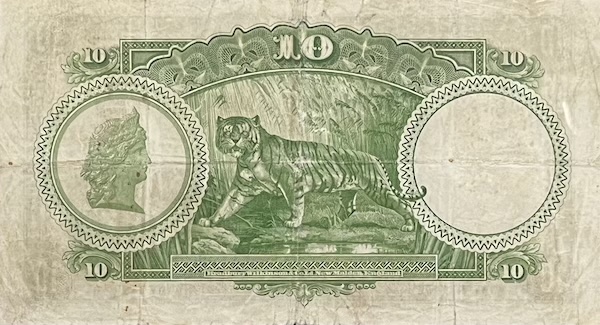
Straits 1931-1941: 1935 $10
Ungraded, heavily used
Market Price: $680
(2024)
Japanese Occupation Notes, 1942-1945
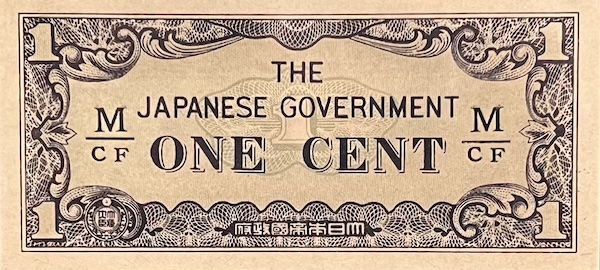
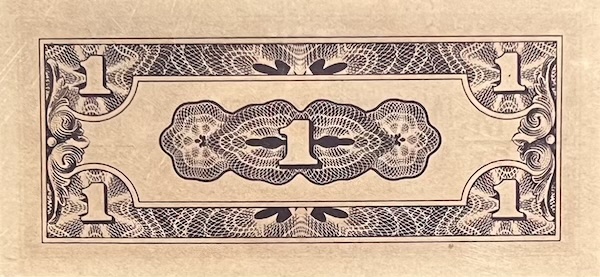
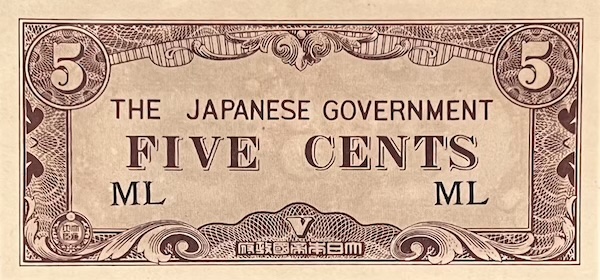
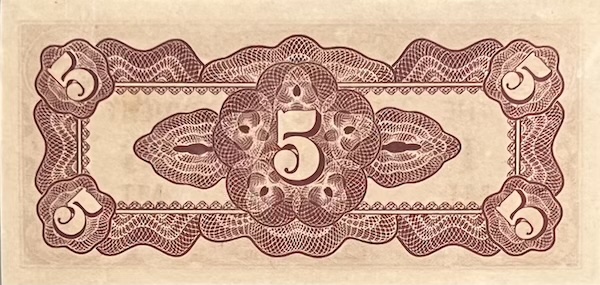
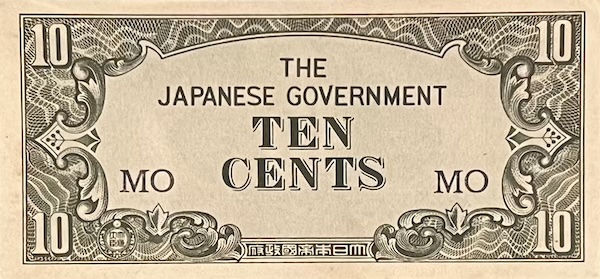
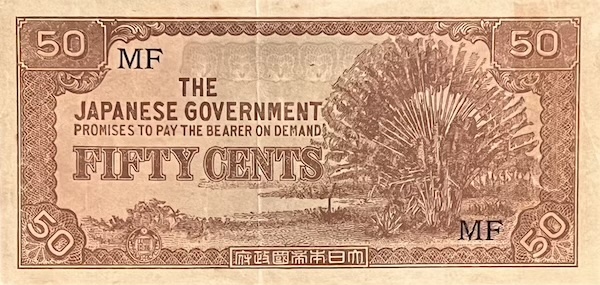
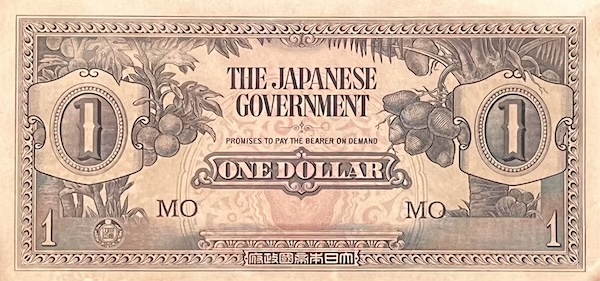
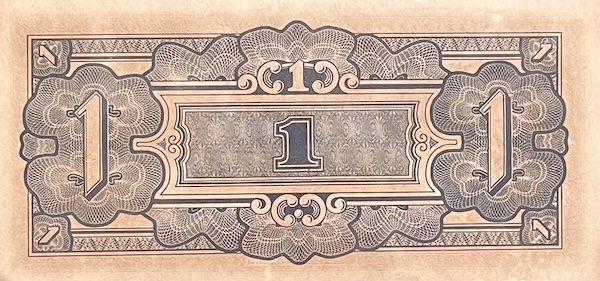
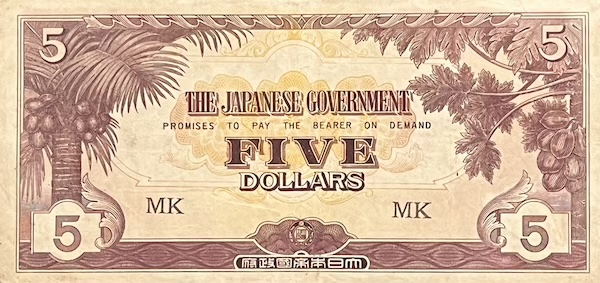
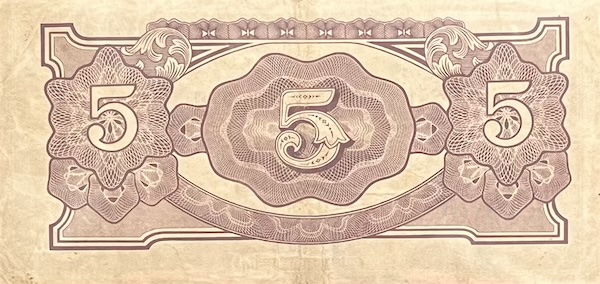
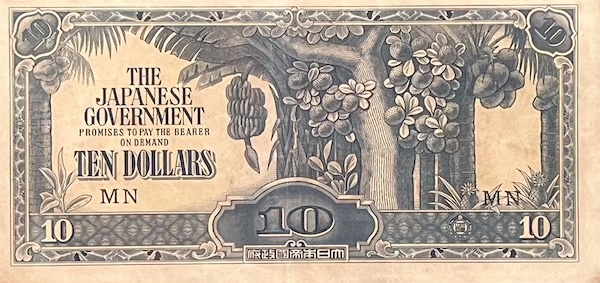
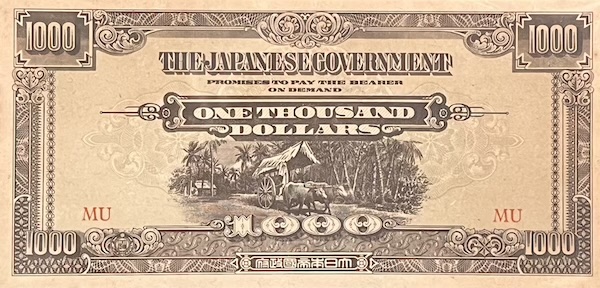
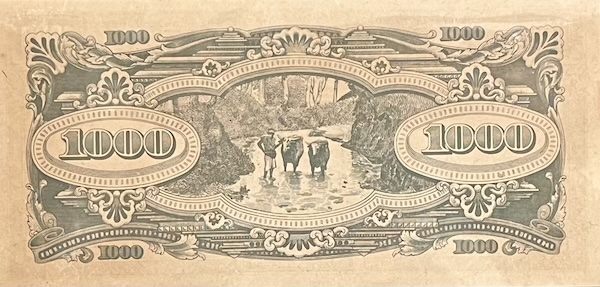
During the Japanese occupation of Singapore (1942–1945), the Japanese government issued its own currency to replace all previous money. These notes, nicknamed ‘banana money’ for the banana tree design on the $10 note, were mass-produced without proper security features or backing, leading to rampant counterfeiting and hyperinflation. As the war progressed and confidence in the notes collapsed, their value dropped sharply, and many Singaporeans resorted to barter trade. By the end of the occupation, these notes were practically worthless. (Today, banana notes are sold at a small fee in the collectors’ market, but those with serial numbers and in good condition can still be worth much more, because they were the rare ones printed when the Japanese were still actively accounting for them.)
Japanese 1 cent
Ungraded, brand new
Market Price: $2
(2024)
Japanese 5 cents
Ungraded, brand new
Market Price: $2
(2024)
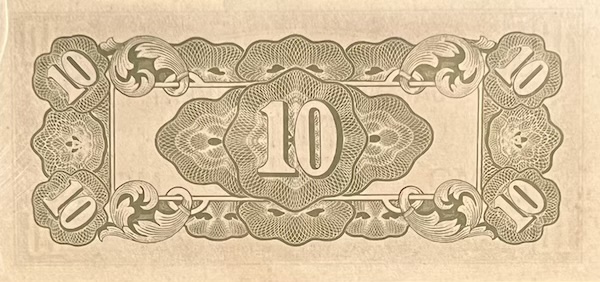
Japanese 10 cents
Ungraded, brand new
Market Price: $2
(2024)
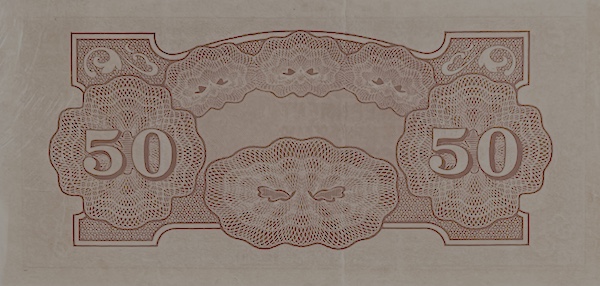
Japanese 50 cents
Ungraded, well used
Market Price: $2
(2024)
Japanese $1
Ungraded, like new
Market Price: $3
(2024)
Japanese $5
Ungraded, like new
Market Price: $5
(2024)
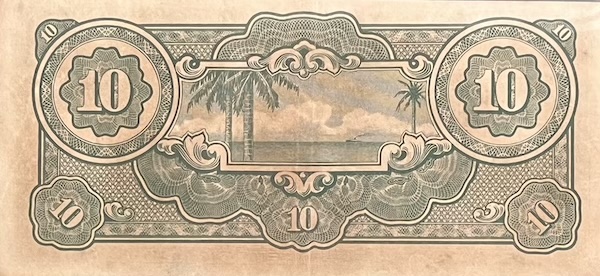
Japanese $10
Ungraded, like new
Market Price: $10
(2024)
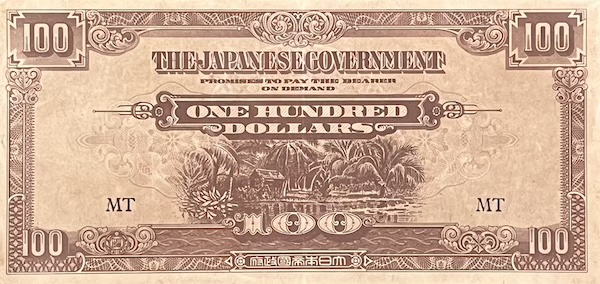
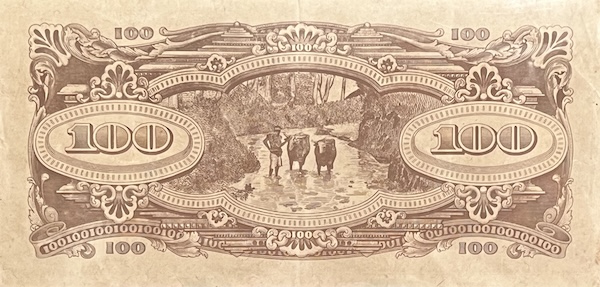
Japanese $100
Ungraded, like new
Market Price: $15
(2024)
Japanese $1000
Ungraded, like new
Market Price: $80
(2024)
Malayan Dollar Notes, 1945-1953
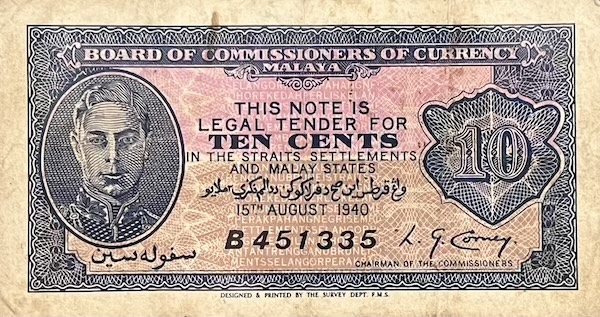
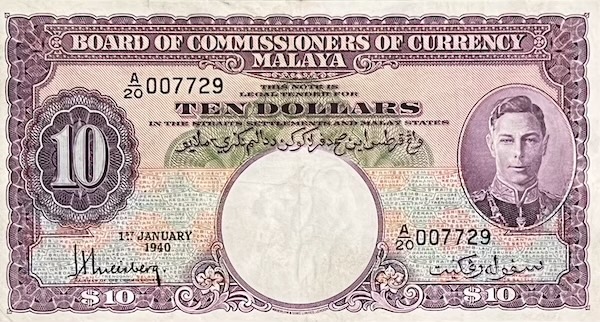
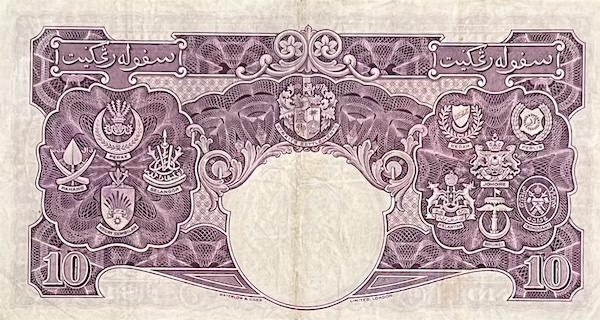
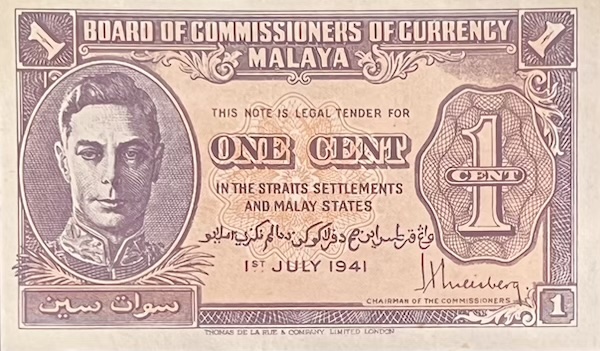
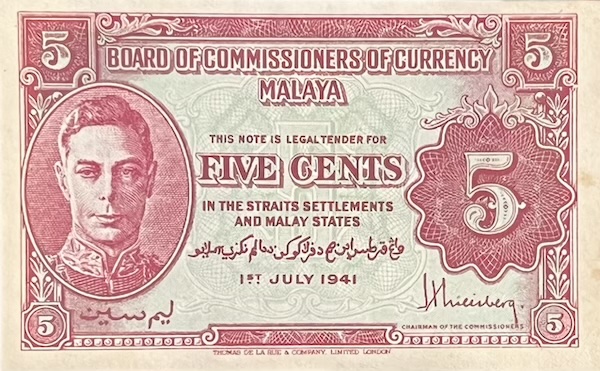
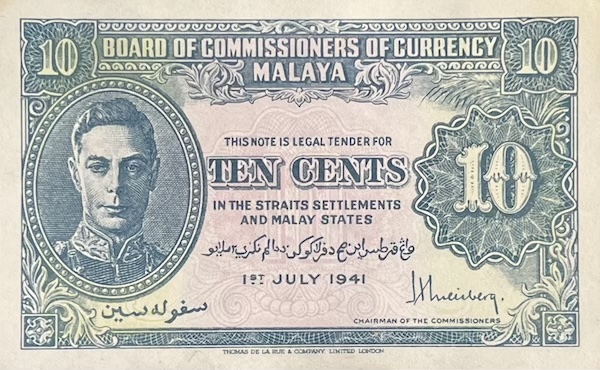
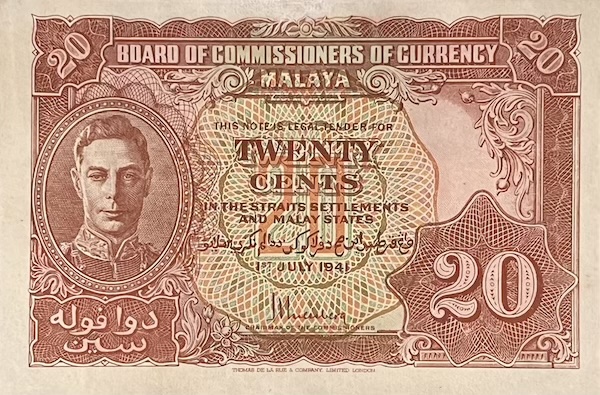
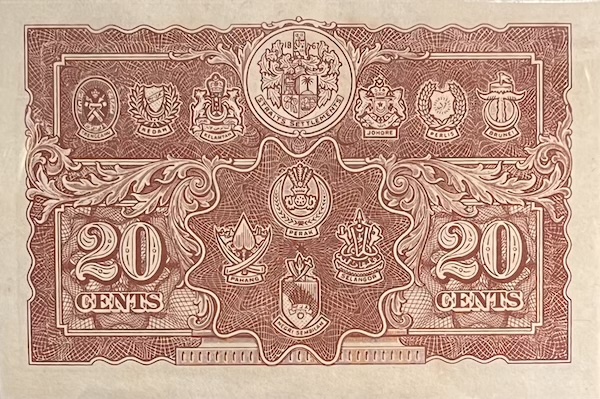
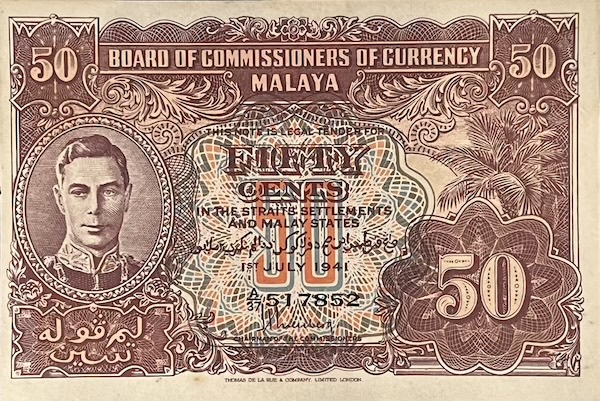
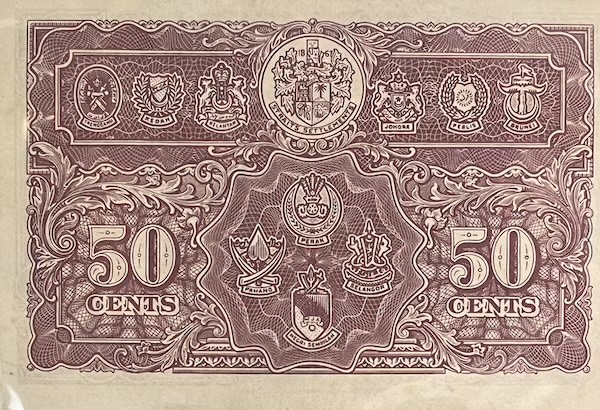
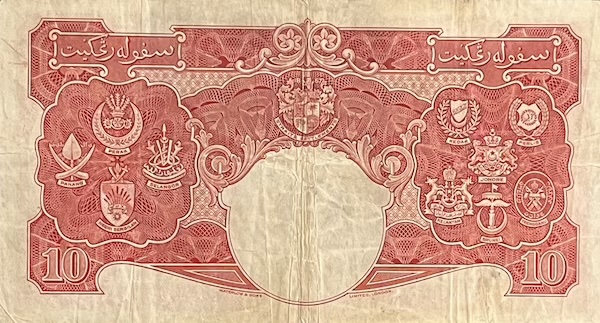
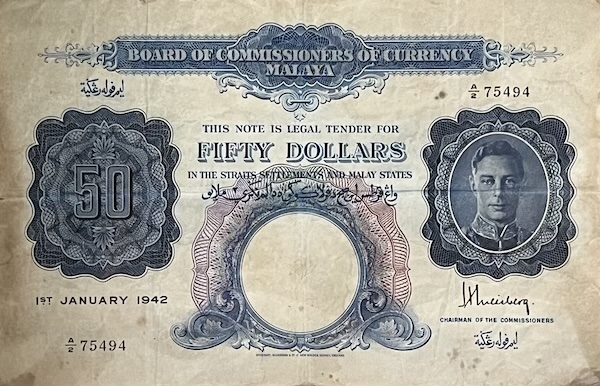
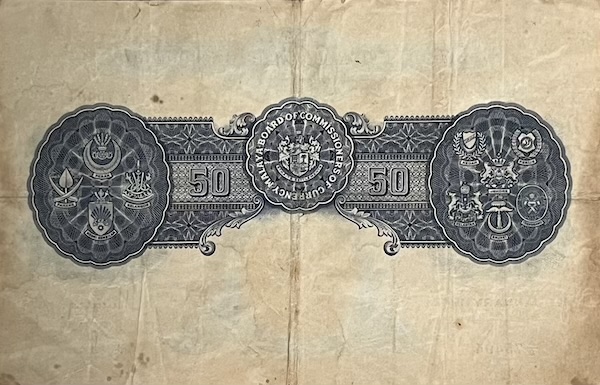
Plans for the Malayan dollar were already in motion before World War Two, with designs and preparations completed by the late 1930s. However, the outbreak of war and the Japanese invasion disrupted these efforts, and the notes were not issued. After the war ended in 1945, the British Military Administration introduced temporary currency before officially launching the Malayan dollar in 1946. Issued by the Board of Commissioners of Currency Malaya, these notes featured King George VI and marked the re-establishment of British economic control in the region. Printed on the notes were “1941” and “1942”—instead of “1946”—because these notes were printed in 1941 and early 1942, but the Japanese invaded Singapore in 1942 before they were circulated. (In fact, there was an even earlier batch of $1, $5, and $10 notes printed “1940”, but these notes were never issued after a portion of them were sank in two wartime maritime incidents when being dispatched from the UK to Malaya in November 1940 and January 1941. Only the $10 notes were officially issued in March 1941, but they too were replaced by the “1941” version after the war.)
Malayan 1940 10 cents
PCGS 25
Market Price: $150
(2024)
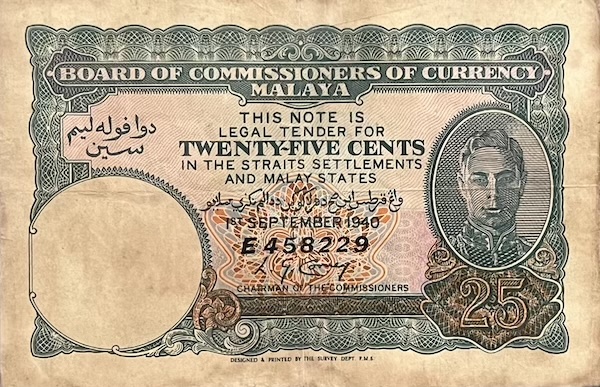
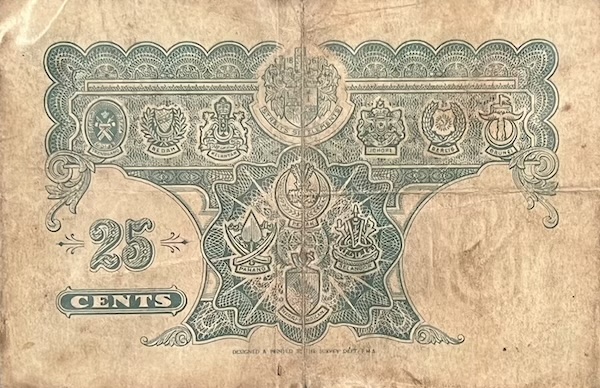
Malayan 1940 25 cents
PMG 30, stains
Market Price: $180
(2024)
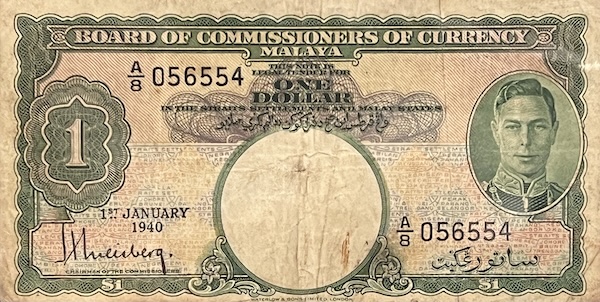
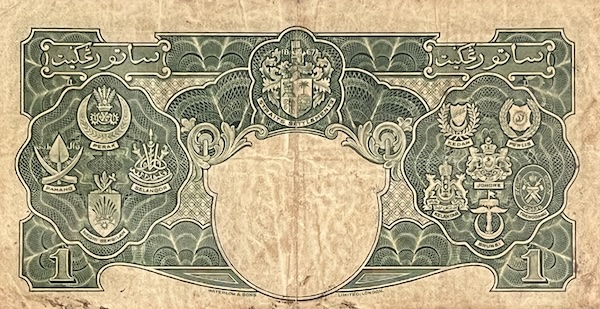
Malayan 1940 $1
PMG 25, stains
Market Price: $12,000
(2024)
Malayan 1940 $10
PMG 25
Market Price: $1800
(2024)
Malayan 1946 1 cent
Ungraded, like new
Market Price: $5
(2024)
Malayan 1946 5 cents
Ungraded, like new
Market Price: $10
(2024)
Malayan 1946 10 cents
Ungraded, like new
Market Price: $20
(2024)
Malayan 1946 20 cents
Ungraded, like new
Market Price: $40
(2024)
Malayan 1946 50 cents
Ungraded, lightly used
Market Price: $70
(2024)
Malayan 1946 $1
PMG 30
Market Price: $90
(2024)
Malayan 1946 $5
PMG 20
Market Price: $160
(2024)
Malayan 1946 $10
PMG 25
Market Price: $180
(2024)
Malayan 1946 $50
Ungraded, heavily used
Market Price: $2300
(2024)
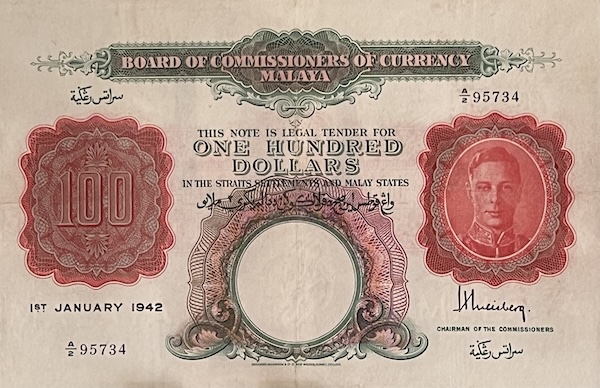
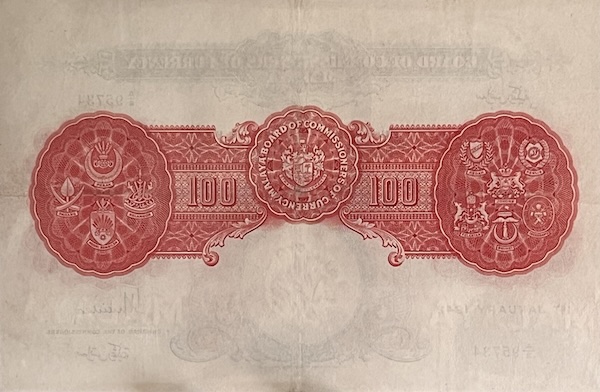
Malayan 1946 $100
Ungraded, heavily used
Market Price: $3500
(2024)
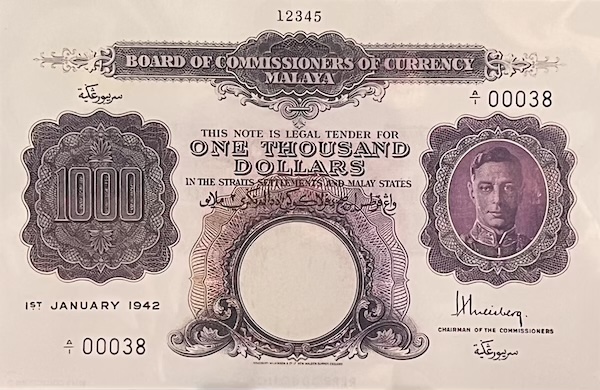
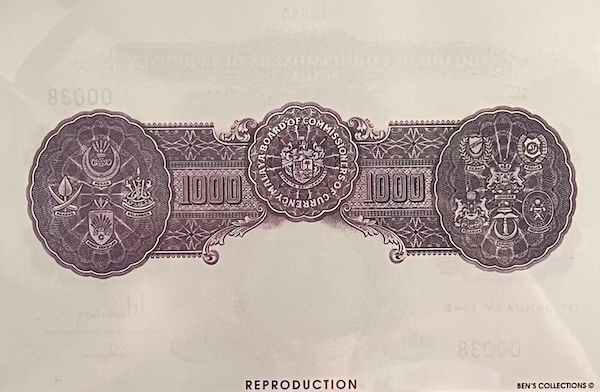
Malayan 1946 $1000
*Reproduction note
Ungraded, brand new
Market Price: $20
(2024)
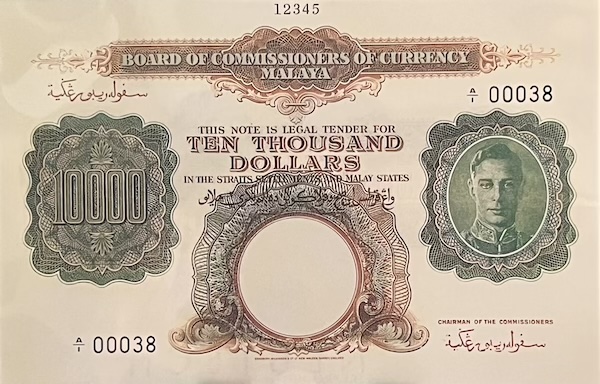
Malayan 1946 $10000
*Reproduction note
Ungraded, brand new
Market Price: $25
(2024)
Malaya and British Borneo Dollar Notes, 1953–1967
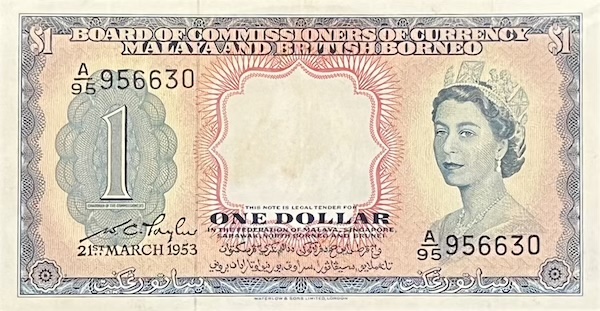
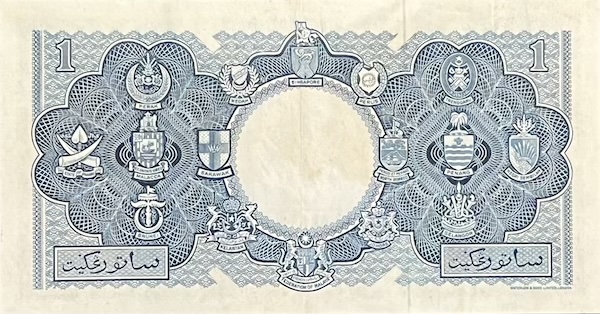
In 1953, the Malaya and British Borneo Currency Agreement established a common currency for Malaya, Singapore, Sarawak, North Borneo, and Brunei, leading to the issue of Malaya and British Borneo (MBB) banknotes. Although the Malayan dollar was already used in these same countries, it was Malaya-centric, whereas the new currency gave all five countries equal participation in issuance and policy decisions. The MBB notes featured Queen Elizabeth II on the front and came in various denominations from $1 to $10000. A later 1959-1961 series containing a pair of $1 and $10 denominations introduced local imagery, signalling a shift away from colonial motifs. The MBB notes continued to circulate in Singapore even after independence in 1965, remaining legal tender until the introduction of our own currency in 1967.
Disclaimer. I built this website as a hobby, to share with others what I’ve learnt. All the information here is written based on my own research and understanding, and I don’t guarantee that everything is correct, complete, or updated. While I sell banknotes here, I don’t profit from them, as they are spare pieces from my private collection. All the banknote images here are taken by myself and they belong to me. The non-banknote images, with sources that I’ve attributed on every page, are used solely for illustration and non-commercial education purposes. If you are a copyright holder and believe something has been used inappropriately, please contact me, and I will immediately review or remove it.