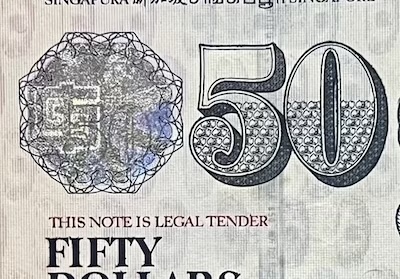
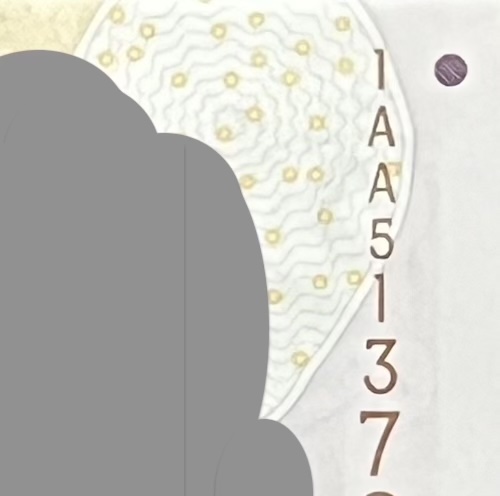
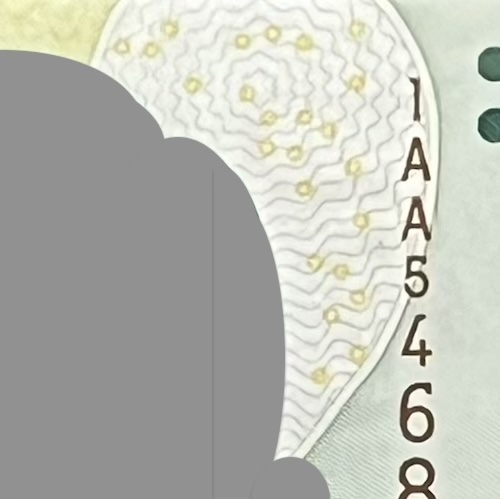
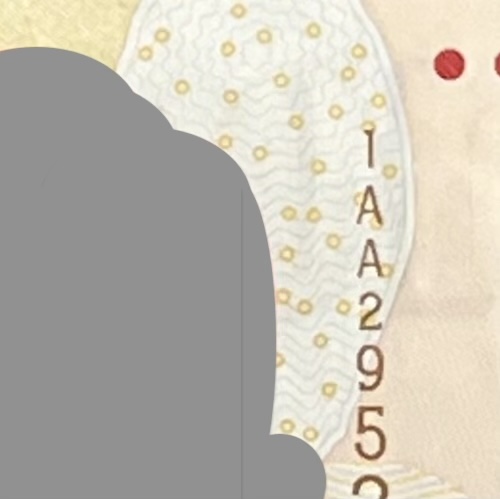
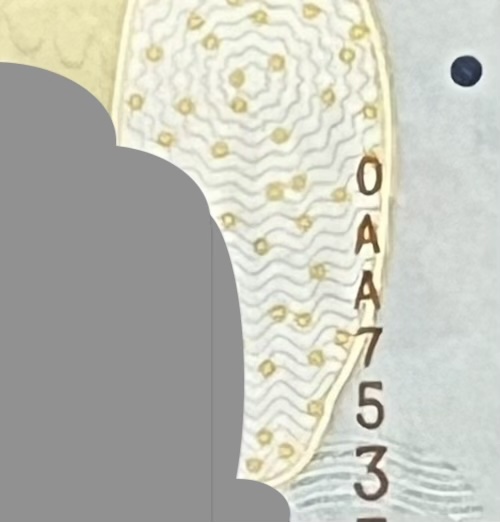
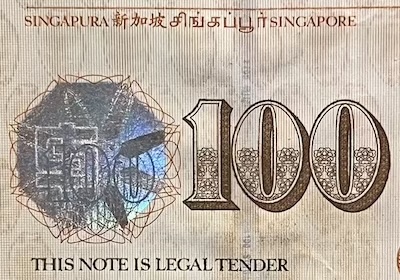
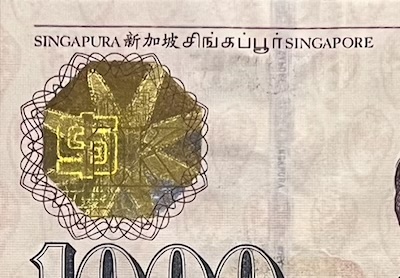
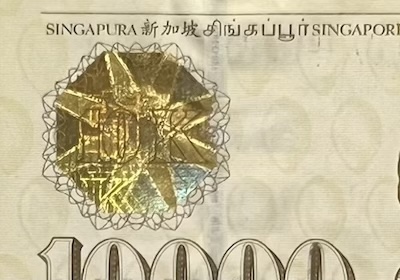
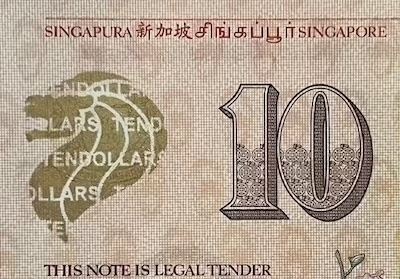
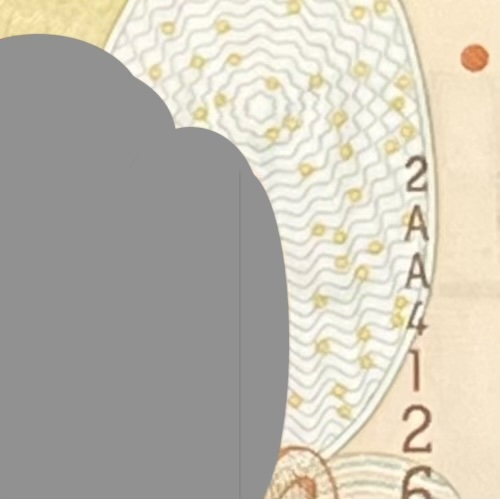
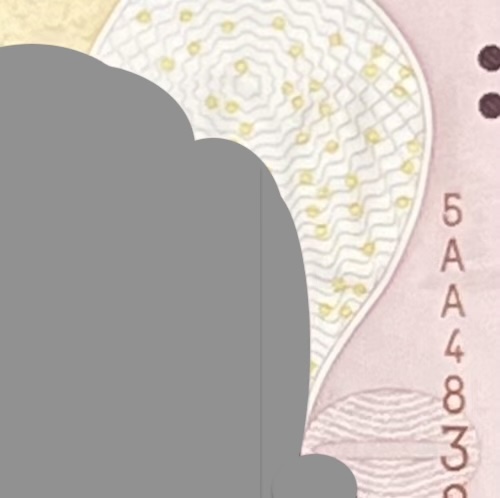
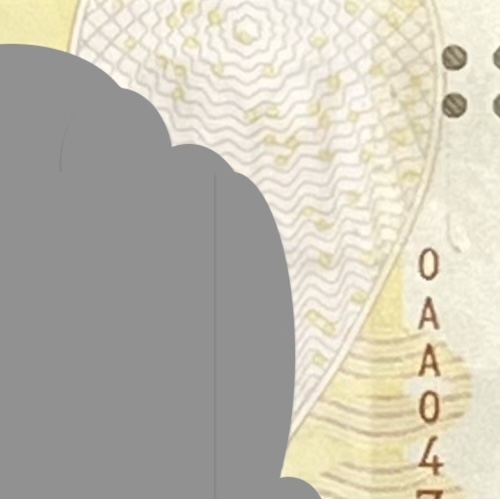
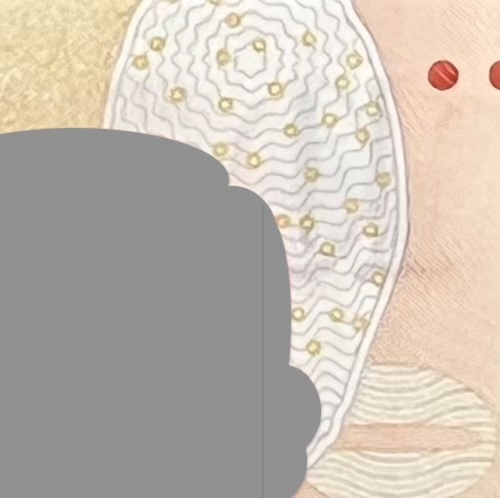
• 1999 M2 $2, 2007 CIA40 $20, and 2015 SG50 $50 and $10 commemorative notes
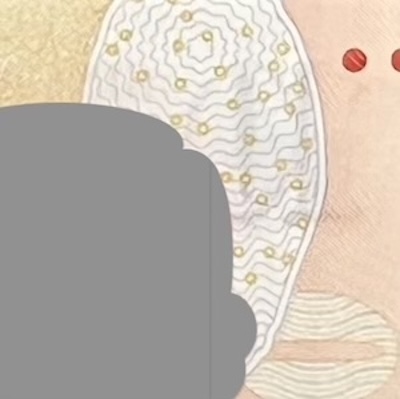
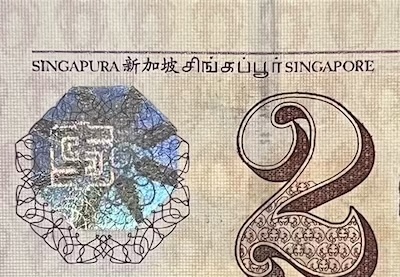
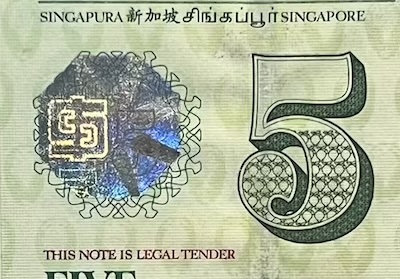
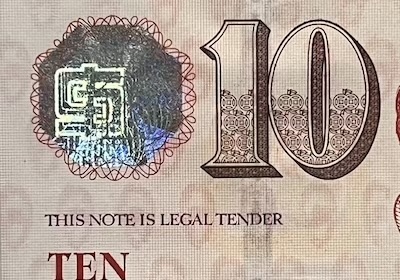
The Portrait Series features cowries—small sea snails—as part of the background design. They appear on the front of every note, placed behind President Yusof Ishak’s portrait and in the background patterns. Cowries are also featured on the 1999 Millennium note, the 2007 CIA40 note, and the 2015 SG50 commemorative notes, even though on several of these notes, the cowries are faint and easy to miss. To most people, they may all seem alike, but in fact, each denomination features a different species of cowrie. Some have long, oval shapes, while others are shorter and rounder. A few have raised bumps or ridges, while others are smooth. Their shell patterns vary too—some show fine lines, others have tiny spots or curved bands.
P2: Money Cowrie
P5: Gold Ring Cowrie
P10: Wandering Cowrie
P50: Cylindrical Cowrie
Historically, the money cowrie (P2), originally known as the Cypraea moneta, was used as currency in trade routes stretching from the Middle East (like Tarshish) to China, long before coins and notes. In fact the ancient Chinese character for currency and shellfish is 貝(bèi). Many Chinese words related to wealth, trade, or value contain this shell radical. For example: 買 (buy), 賣 (sell), 費 (fees), 資 (resources), 財 (wealth), 貨 (goods), 價 (price), 購 (purchase), 貸 (loan), 債 (debt), 貴 (expensive), and 貪 (greed)—all carry the 貝element, showing how deeply the cowrie was tied to early understandings of money and worth. The cowries on our banknotes are a nod to the earliest forms of money, a reminder of Singapore’s maritime past, and also an auspicious motif for wealth and good fortune.
Disclaimer. I built this website as a hobby, to share with others what I’ve learnt. All the information here is written based on my own research and understanding, and I don’t guarantee that everything is correct, complete, or updated. While I sell banknotes here, I don’t profit from them, as they are spare pieces from my private collection. All the banknote images here are taken by myself and they belong to me. The non-banknote images, with sources that I’ve attributed on every page, are used solely for illustration and non-commercial education purposes. If you are a copyright holder and believe something has been used inappropriately, please contact me, and I will immediately review or remove it.