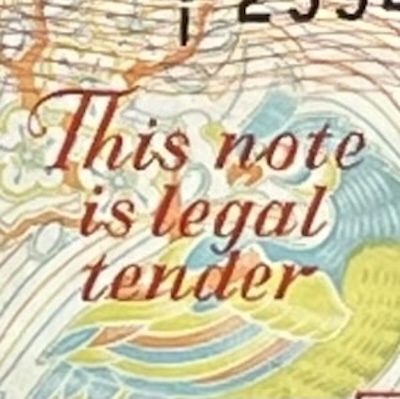
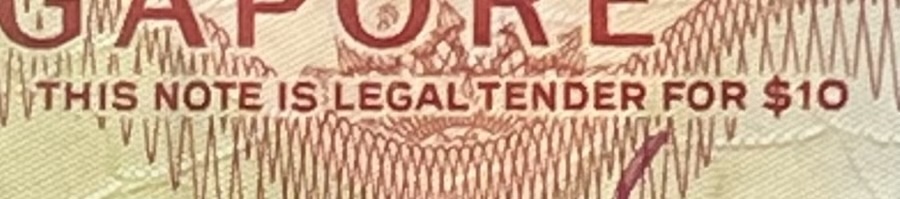
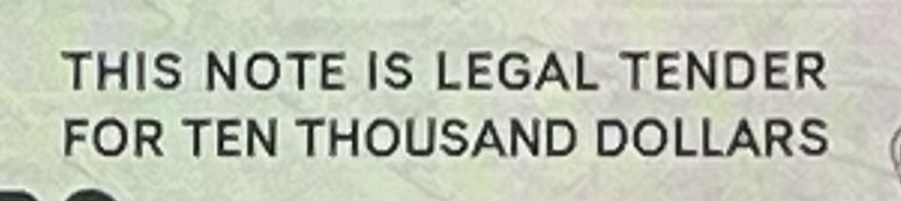
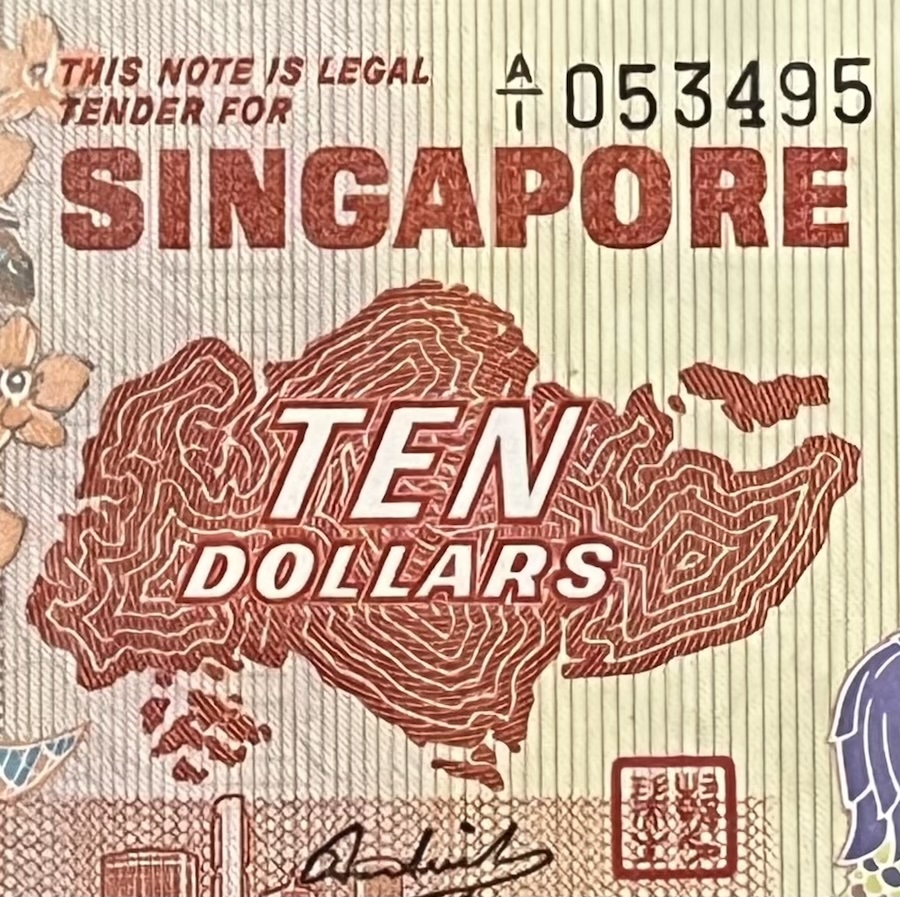
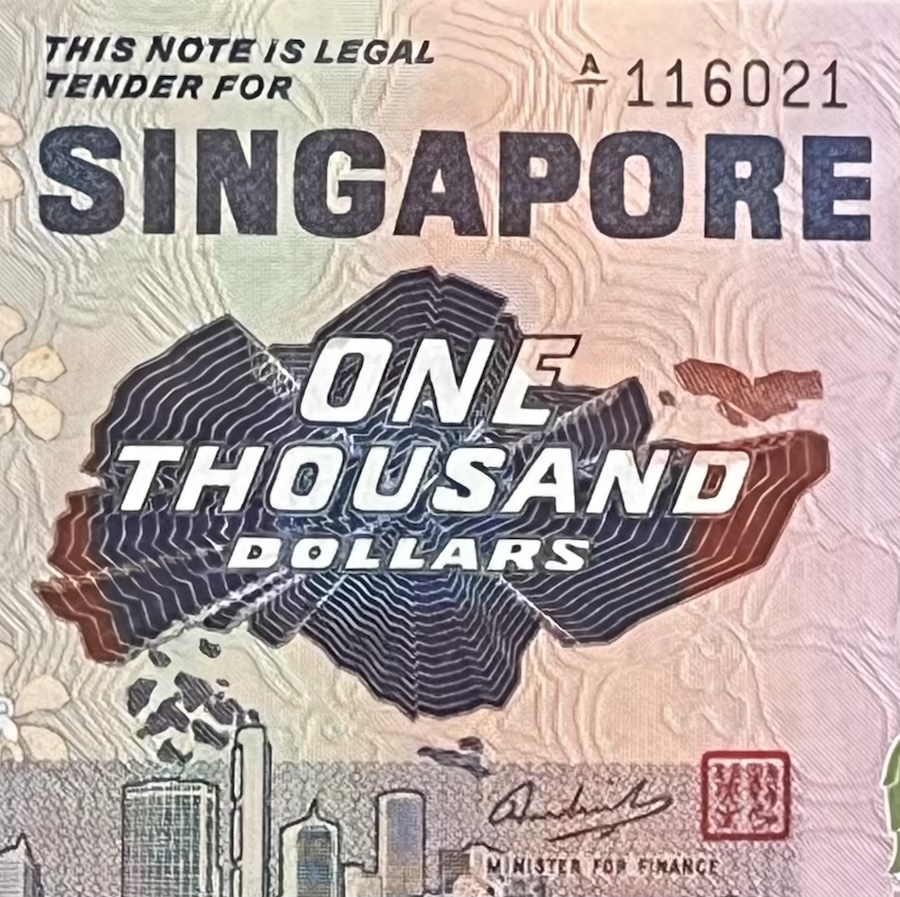
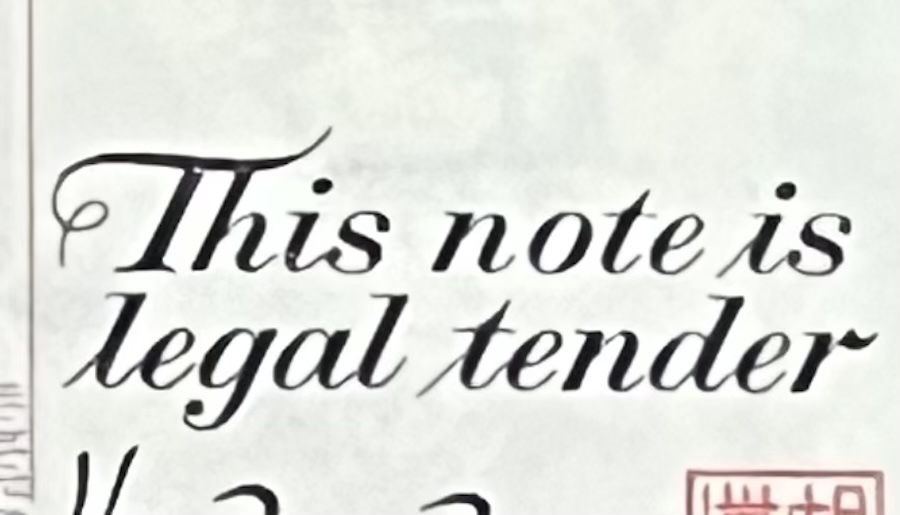
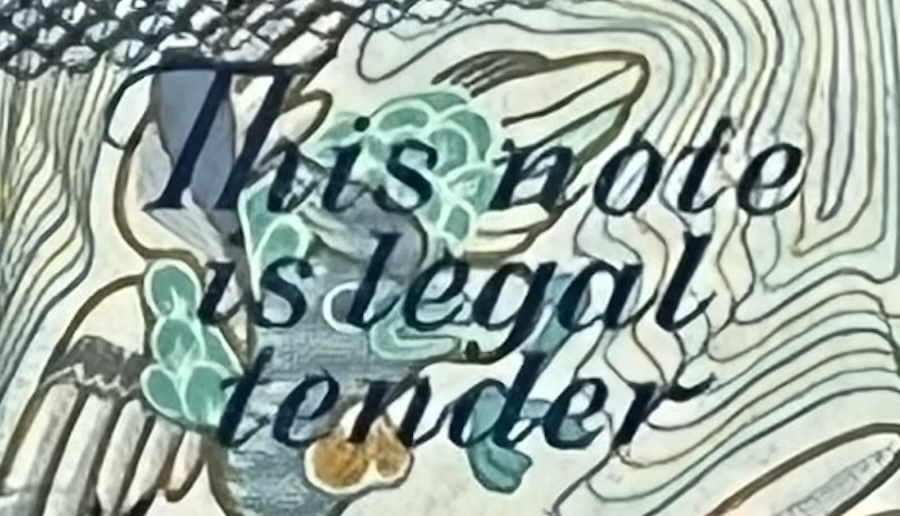
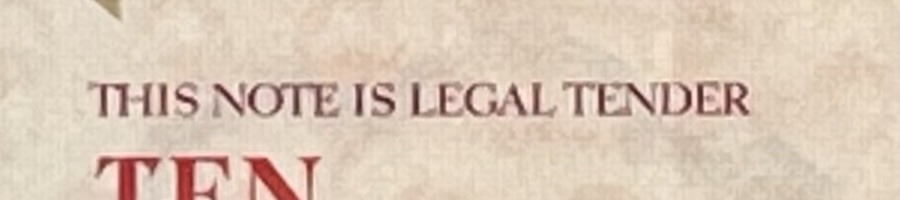
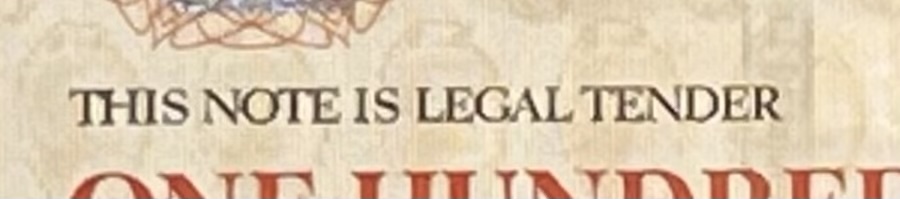
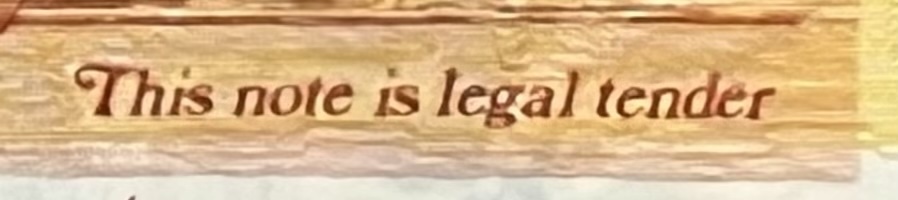
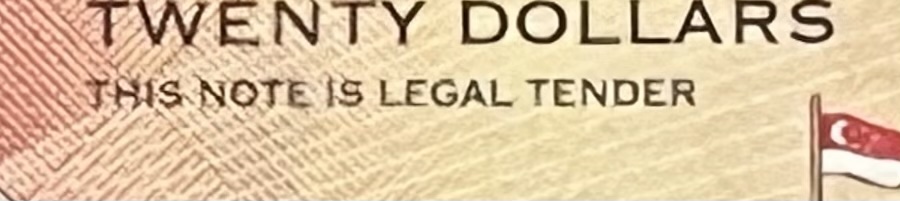
On every Singapore banknote, you’ll find the statement: “This note is legal tender.” This means the note must be accepted as payment for goods or services within Singapore. If you use a $10 note to pay, the seller cannot legally refuse it. This statement gives clear legal status to the banknote—it confirms that your money is officially recognised and must be accepted in transactions.
B10
B1000
S2
S50
Banknotes from the Orchid Series and Bird Series used a longer version of the phrase: “This note is legal tender for [amount].” The denomination was spelled out clearly in the sentence, such as “This note is legal tender for TWO DOLLARS”. But starting with the Ship Series, the wording was shortened to simply “This note is legal tender” because the amount is already shown on the details on the note. The Portrait Series and all later commemorative notes followed this shorter form.
P10
P100
In many other countries, older banknotes lose their legal status when a new series is introduced. However, all Singapore-issued banknotes—i.e. all notes in the Orchid, Bird, Ship, and Portrait series, as well as all commemorative notes—remain legal tender, regardless of age. This means you can still use an old Orchid $100 note to make purchases today, and it will be accepted at its full face value of $100. For some collectors, this works like a safety set—no matter how the market value of a note changes, its worth will never drop below its face value.
SG25
B200
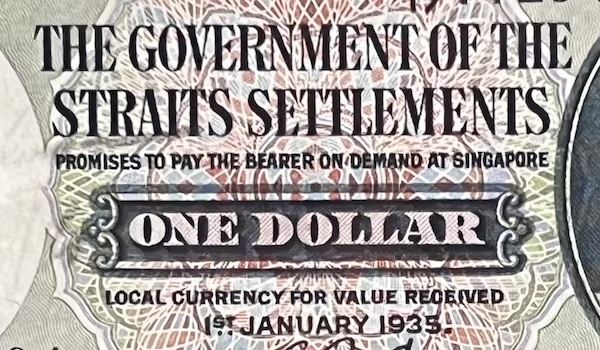
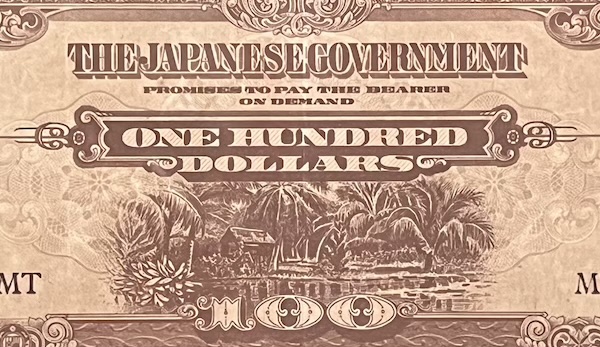
Banknotes that were issued before the 1930s to 1950s used a very different wording. They carried the phrase “promises to pay the bearer on demand”. This line came from a time when paper money was simply a claim to something valuable—usually gold or silver—held in a vault. The idea was that if you brought the note to a bank, you could exchange it for its value in precious metal. That made sense when currencies were backed by gold. But as banking systems changed and the gold standard was dropped, this wording became outdated.
Straits Settlements $1
Japanese Occupation $100
In Singapore’s history, older colonial notes issued by the Straits Settlements and during the Japanese Occupation still used this older promise. The Straits Settlements notes said, “The Government of the Straits Settlements promises to pay the bearer on demand at Singapore TEN DOLLARS.” The Japanese-issued notes during World War II also used similar wording. But by then, these notes were no longer backed by gold. During the Japanese Occupation especially, the notes had no real backing at all and were printed in large quantities, which led to severe inflation and loss of value. So although the words remained, they were just that—words—and by the end of the war, the notes had become practically worthless.
Disclaimer. I built this website as a hobby, to share with others what I’ve learnt. All the information here is written based on my own research and understanding, and I don’t guarantee that everything is correct, complete, or updated. While I sell banknotes here, I don’t profit from them, as they are spare pieces from my private collection. All the banknote images here are taken by myself and they belong to me. The non-banknote images, with sources that I’ve attributed on every page, are used solely for illustration and non-commercial education purposes. If you are a copyright holder and believe something has been used inappropriately, please contact me, and I will immediately review or remove it.