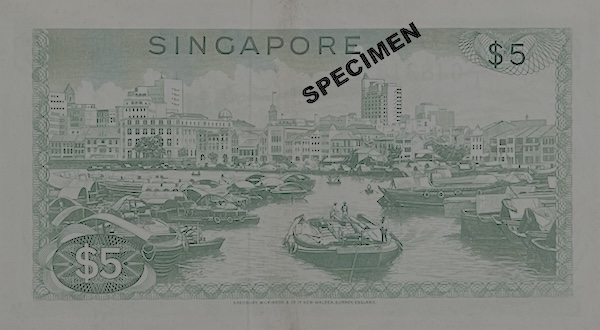
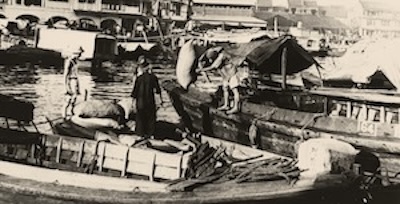
The Singapore River was the heartbeat of our early city, bustling with life and commerce. It wasn’t just a river; it was where we built our livelihoods, where our parents and grandparents toiled and traded. With bumboats ferrying goods to coolies unloading cargo, each ripple in its waters carried stories of hardship, resilience, and triumph. Older generations recalled how the river’s waters would turn different colours, depending on the dyes discharged by the surrounding factories. This colourful phenomenon was a quirky testament to the vibrant industrial activity that once thrived along its banks.
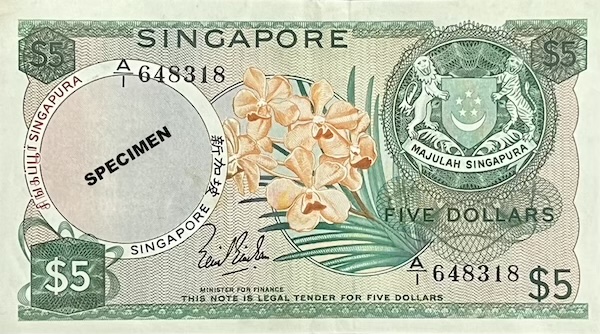
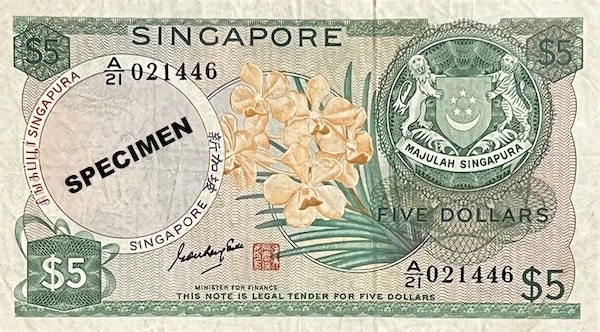
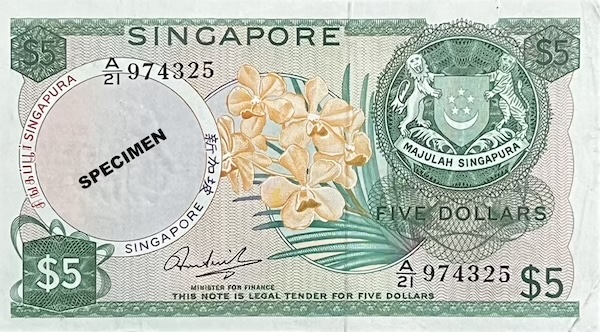
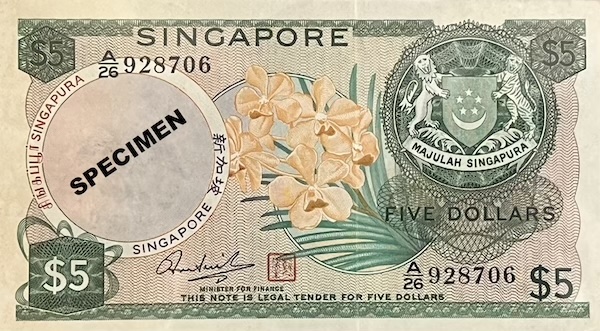
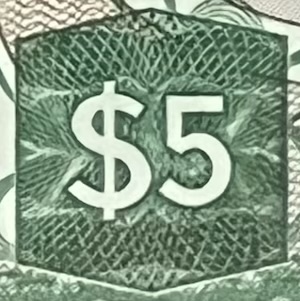
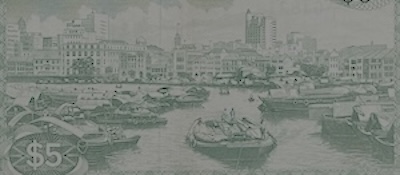
Among the three common notes used every day—the $1, $5, and $10—the Orchid $5 was the least popular. Because of this, fewer of it were printed: only about 45 million pieces, compared to 420 million of the $1 and 195 million of the $10. The Orchid $5 is also known for something unusual: some pieces were printed on what collectors call ‘yellow paper’, which has a strange yellowish tint. No one knows the reason for sure, but this was probably not intentional. The yellow colour might have come from the materials used to make the paper, how the paper aged over time, or less strict quality checks back then. Today, however, these yellow-tinted $5 notes are rare and highly valued by collectors.
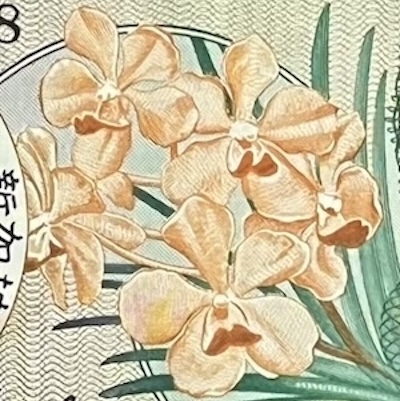
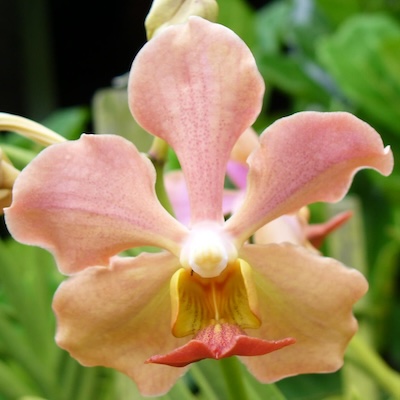
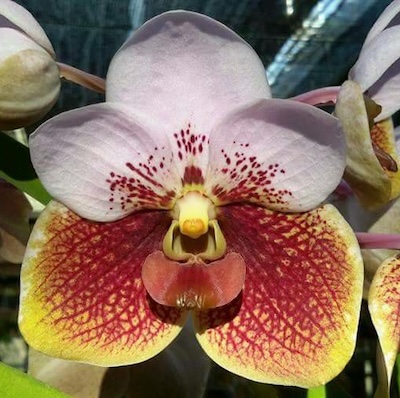
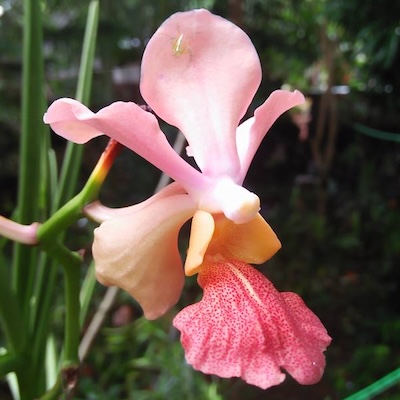
This orchid was once called Vanda T.M.A., but like the Vanda ‘Janet Kanealii’, it has been renamed Papilionanda T.M.A. The new name shows that it is a mix of two types of orchids—Papilionanthe and Vanda. It takes after the Papilionanthe with its climbing habit and thin, pencil-like leaves, while also showing off the large, colourful flowers of the Vanda. Strong and easy to grow, the Papilionanda does well in Singapore’s weather, especially when it gets plenty of sunlight and fresh air.
A Flow of Commerce, Community and Crime
Singapore River
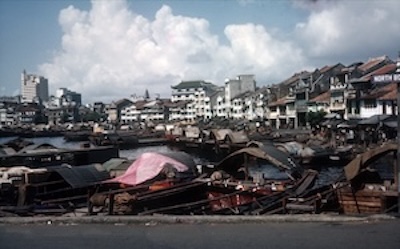
In the 1960s, the Singapore river was a lifeline for commerce. It was packed with bumboats transporting goods like rice, spices, and textiles. These boats played a crucial role in Singapore’s trading activities, ferrying goods to and from the godowns (warehouses) along the riverbanks, making the area a bustling commercial hub.
Boat Quay in the 1960s6
Boat Quay was a hub for Chinese clan associations in the 1960s, where many businesses and social activities were centred. At that time, many immigrants from China left their country for Nanyang (南洋, Southeast Asia), and Singapore was known as a land of ‘golden horizon of hope and opportunities’. Clan associations helped these migrants—known as ‘singkeh’ (‘new guest’ in Hokkien)—settle in and find work, acting as support networks. Some associations held significant political influence and even engaged in charity or education efforts.
Coolie Labour at the Singapore River7
The Singapore river area was known for secret society activities since the 1800s. These gangs approached people fresh off the boats and offered friendship, assistance and networks. They controlled various trades along the river, such as coolie labour, opium distribution, brothels and gambling dens, often leading to violent clashes over territory and influence. The government tried to crack down on these gangs but the place remained a hotspot for underground activities for some time.
Market Value in 2024
Market Price: $350
Condition
•Ungraded
• Lightly used
• No tears, pinholes or foxing
• Soft stains on edges
• Light creases & folds
Context
• The information here refers specifically to the banknote featured on the top of this page.
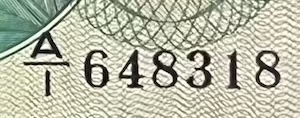
1. Prefix and banknote details from Vincent Tan and Tan Wei Jie, Singapore Banknotes: Complete Prefix Reference, Mr Banknotes, 2017.
2. Orchid registration details from International Orchid Register.
3. Image by Hendrika Kwan. Source: https://orchidroots.com/display/summary/orchidaceae/100056060.
4. Image from Somsak Jitsuph. Source: https://orchidroots.com/display/summary/orchidaceae/100056060.
5. Image by Kram Olegna. Source: https://orchidroots.com/display/summary/orchidaceae/100070962/?role=pub
6. Image by Steve Knight@beachcomberCo, Flickr. Source: https://www.flickr.com/photos/beachcomberco/8606910635.
7. Image from National Library Board. Source: https://biblioasia.nlb.gov.sg/files/pdf/vol-11/issue-3/v11-issue3_Coolies-Pimps.pdf.
Disclaimer
I built this website as a hobby, to share with others what I’ve learnt. All the information here is written based on my own research and understanding, and I don’t guarantee that everything is correct, complete, or updated. While I sell banknotes here, I don’t profit from them, as they are spare pieces from my private collection. All the banknote images here are taken by myself and they belong to me. The non-banknote images, with sources that I’ve attributed on every page, are used solely for illustration and non-commercial education purposes. If you are a copyright holder and believe something has been used inappropriately, please contact me, and I will immediately review or remove it.