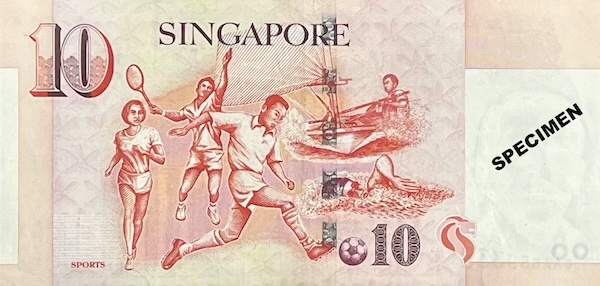
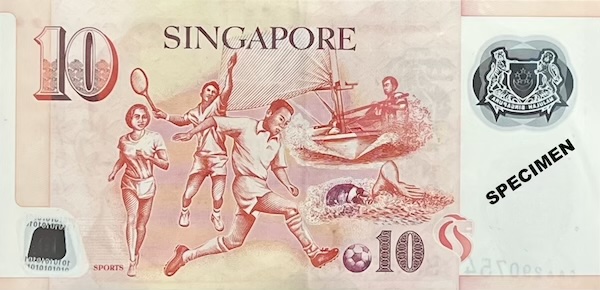
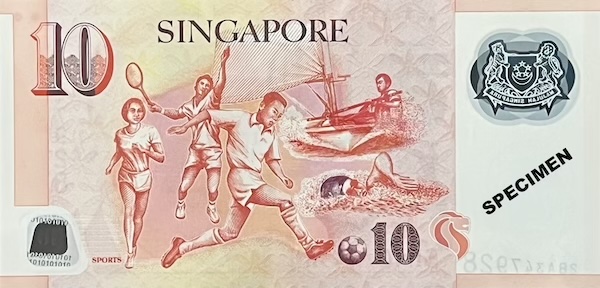
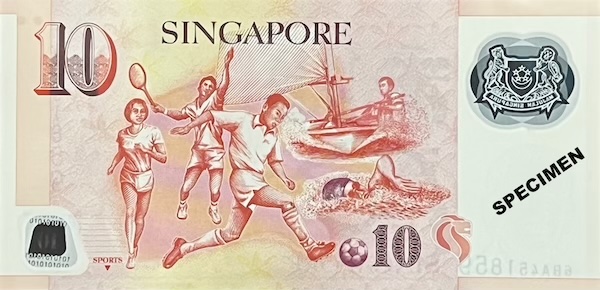
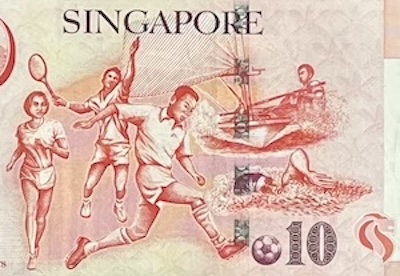
We embraced sports with a renewed vigour, celebrating achievements that went beyond academic or economic success. From the early morning joggers at East Coast Park to intense football matches at the National Stadium, these activities became a part of our national identity. We were inspired by stories of local sports heroes, like football legend Fandi Ahmad and swimming icon Ang Peng Siong. It was a decade where we strived to be all-rounders, harnessing the lessons and camaraderie that sports had brought into our lives.
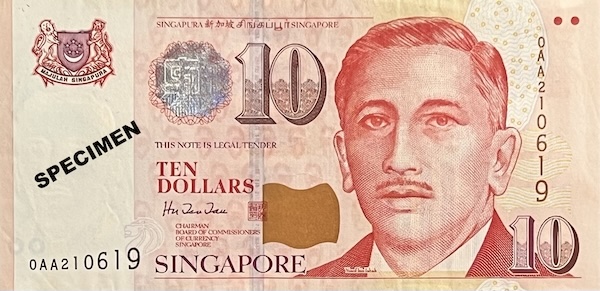
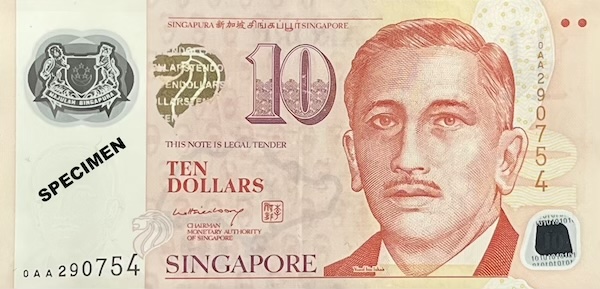
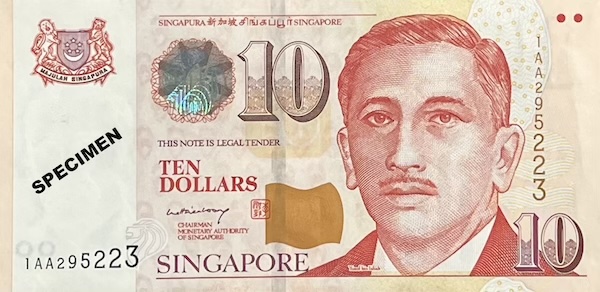
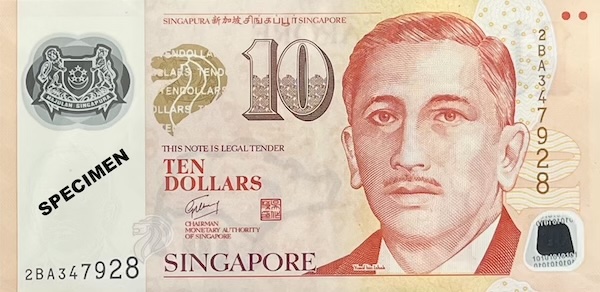
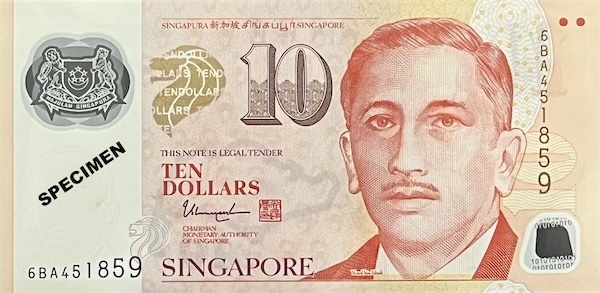
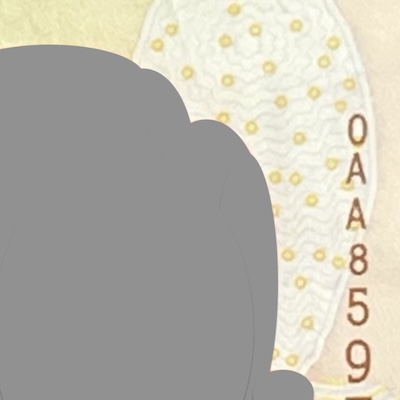
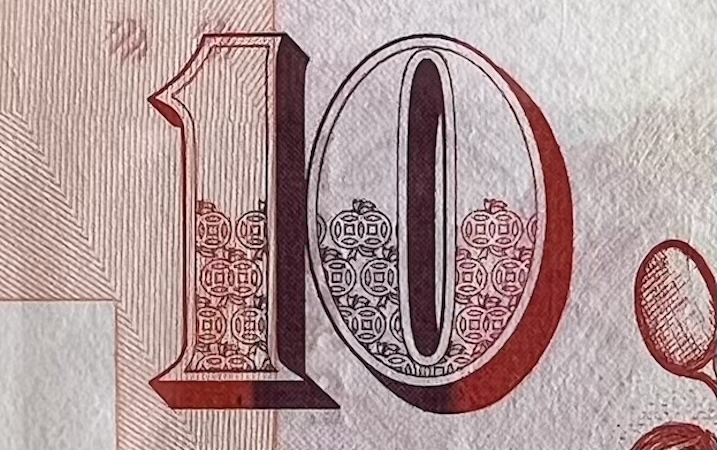
Together with the $5 note, the Portrait $10 has the longest history in Singapore’s currency, going back to the first colonial banknotes issued by the Straits Settlements in 1898. But it also stands out for another reason—it was the first polymer note in Singapore made for everyday use. Before this, the only polymer note was a one-off commemorative note for Singapore’s 25th year of independence. When the Portrait $10 Polymer note was launched in 2004, 10 million pieces were printed for system testing—done to make sure the new note could be smoothly and accurately used in ATMs, cash registers, and note-sorting machines. It remains the only note in our history to go through such a large-scale testing process. The Portrait $10 Polymer was also the first note issued by MAS after it took over the role of issuing currency from the BCCS in 2002.
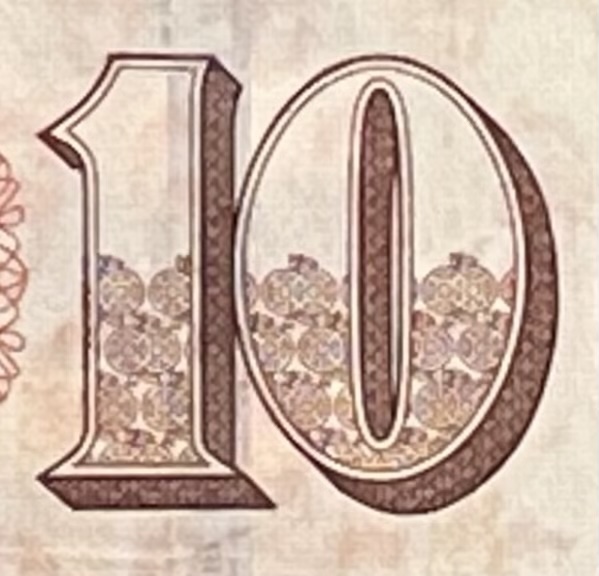
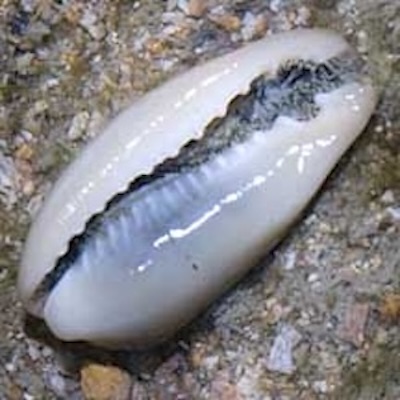
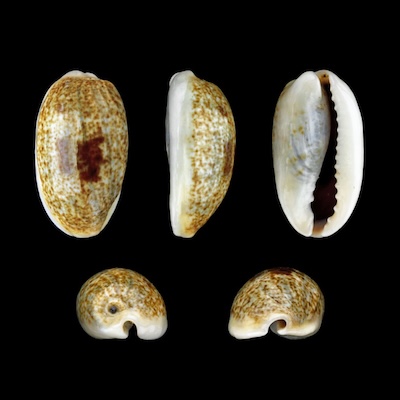
The wandering cowrie, once known as Cypraea errones and now called Erronea errones, is a small sea snail. It has a smooth, shiny shell that is usually white or light brown, sometimes with small spots. The shell is slightly longer and flatter than other cowries. Like the money cowrie and gold ring cowrie, the wandering cowrie was used in parts of Africa, Asia, and the Pacific Islands for trade, jewellery, and decoration. People valued it because it was easy to carry, strong, and beautiful. In many cultures, it was also believed to bring good luck, wealth, and protection, and was often used in rituals, clothing, and as charms.
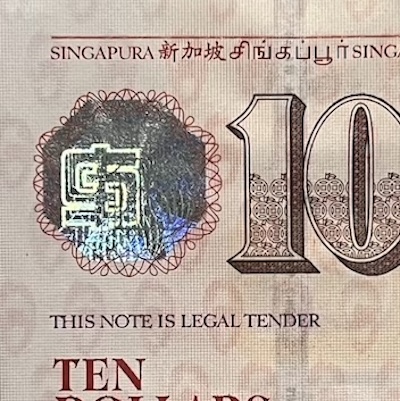
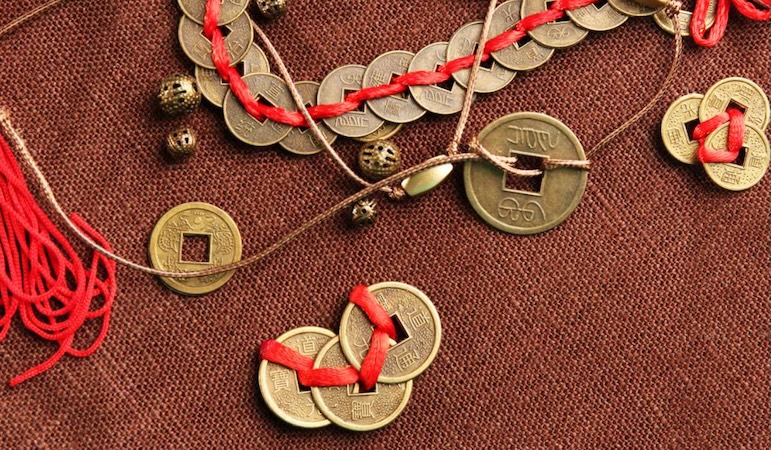
In olden times, Chinese coins were more than just money. Known as 铜钱 (tóng qián), these round coins with a square hole in the centre were used for trade, but they also carried strong symbolic meaning. The round shape stood for heaven, and the square hole for earth, showing a balance between the two. Over time, these coins came to symbolise wealth, luck, and protection. People would string them together with red thread and hang them in homes or shops to invite good fortune. They were also placed in red packets, used in charms, or even sewn into clothing as protective symbols. Even today, ancient coin designs appear in decorations during Chinese New Year and in feng shui practices.
Sports, National Pride, And Local Heroes
Sports
In the 1960s and 1970s, the government focused mainly on building the economy and the nation, so sports was not seen as a top priority. But by the 1980s, with Singapore becoming more stable and developed, attention turned towards promoting sports more actively. The government started to see sports as a way to build national pride, encourage healthy living, and bring people together.
Sports in Singapore Today5
In the 1990s, new programmes like Sports for Life were launched to get more people involved in sports, while the Sports Excellence Scheme was introduced to support top athletes. Big events like the SEA Games were hosted here, while the building of modern facilities such as the Singapore Indoor Stadium gave our athletes better places to train and compete. Today, Sport SG’s initiatives like ActiveSG and High Performance Sports continue to promote community involvement and support the development of athletes.
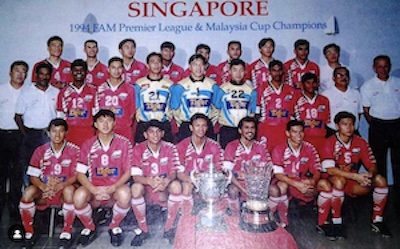
Malaysia Cup Winners in 19946
Football was Singapore’s most popular sport during the 1980s and 1990s. The Malaysia Cup drew huge crowds to the National Stadium, where the thunderous support of fans became known as the Kallang Roar. Local heroes like Quah Kim Song and Fandi Ahmad captured the nation’s heart, and the 1994 Malaysia Cup victory, where Singapore beat Pahang 4-0, remains the most celebrated moment in our football history. The 1990s were also a golden era for other sports. Athletes like Joscelin Yeo and Benedict Tan brought glory to Singapore in swimming and sailing, while the country also started to make our mark in table tennis.
Market Value in 2024
Market Price: $25
Condition
• Ungraded
• Like new
• No tears, pinholes, stains, foxing, creases or folds
Context
• The information here refers specifically to the banknote featured on the top of this page.
1. Prefix and banknote details from Vincent Tan and Tan Wei Jie, Singapore Banknotes: Complete Prefix Reference, Mr Banknotes, 2017.
2. Image from Wild Singapore. Source: http://www.wildsingapore.com/wildfacts/mollusca/gastropoda/cypraeidae/cfcypraeidae.htm.
3. Image by H. Zell, Wikipedia. Source: https://commons.wikimedia.org/wiki/File:Erronea_errones_01.JPG.
4. Image from Housing.com. Source: https://housing.com/news/chinese-coins-feng-shui/.
5. Image by Singapore Sports Hub. Source: https://www.sportshub.com.sg/trending/celebrating-a-lively-new-chapter-in-the-singapore-sports-hub-story.
6. Image from Awang Spanar, blog. Source: http://throughtheyears87.blogspot.com/2012/09/1994-malaysia-cup-fever.html.
Disclaimer
I built this website as a hobby, to share with others what I’ve learnt. All the information here is written based on my own research and understanding, and I don’t guarantee that everything is correct, complete, or updated. While I sell banknotes here, I don’t profit from them, as they are spare pieces from my private collection. All the banknote images here are taken by myself and they belong to me. The non-banknote images, with sources that I’ve attributed on every page, are used solely for illustration and non-commercial education purposes. If you are a copyright holder and believe something has been used inappropriately, please contact me, and I will immediately review or remove it.