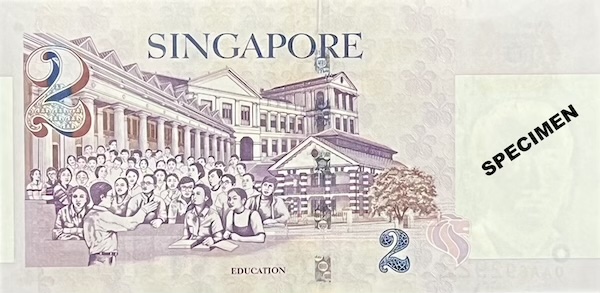
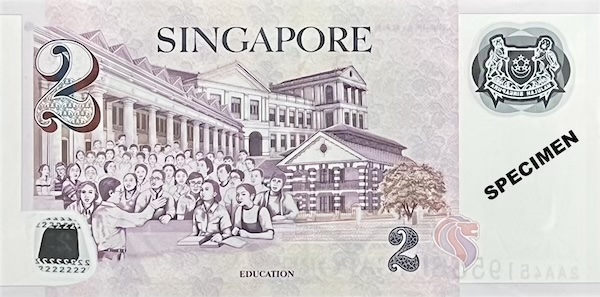
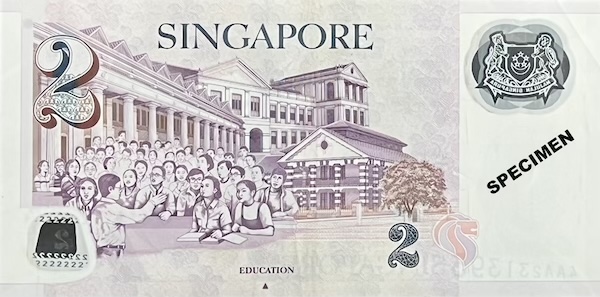
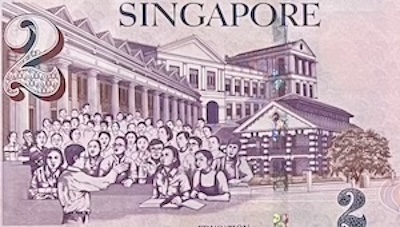
By the 1990s, our schools were vibrant places, filled with the laughter and curiosity of the next generation. The government placed a strong emphasis on holistic education, recognising that academic excellence alone was not enough. Teachers fostered creativity and critical thinking, preparing children not just for exams, but for life. We knew that our nation’s future lay in the hands of these young minds, and we were committed to nurturing their potential in every possible way.
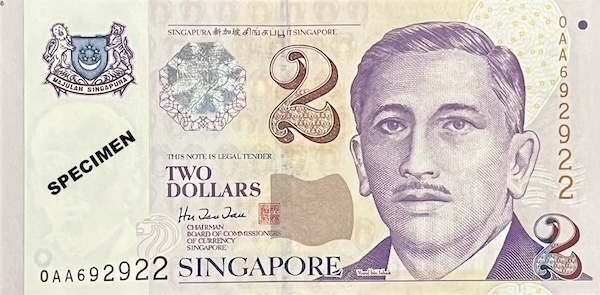
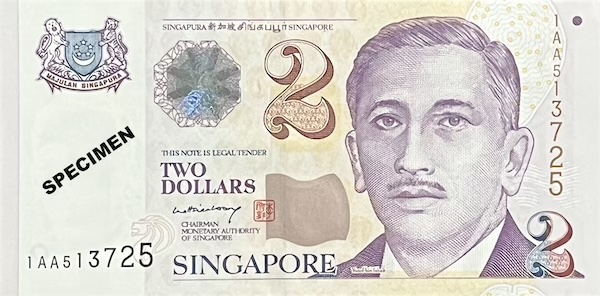
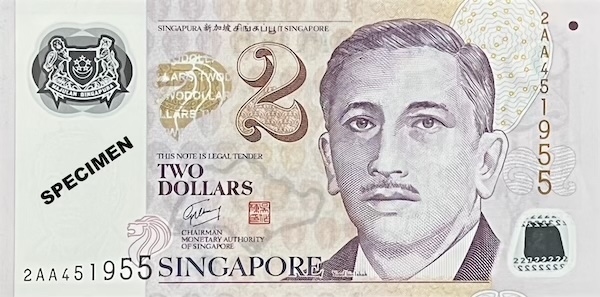
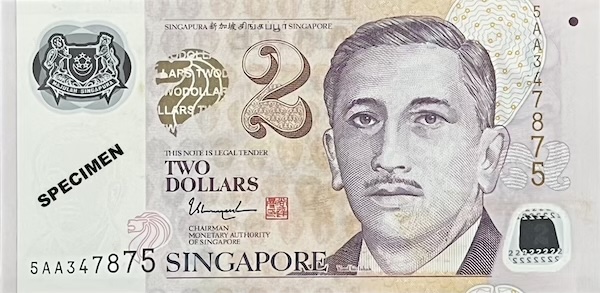
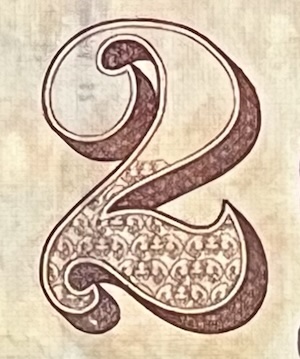
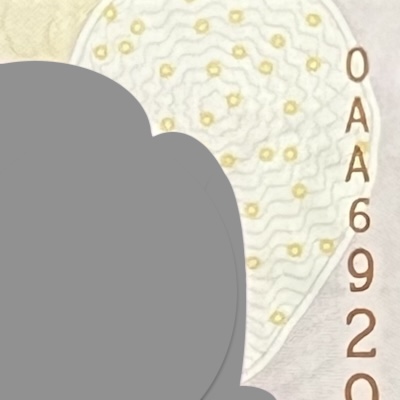
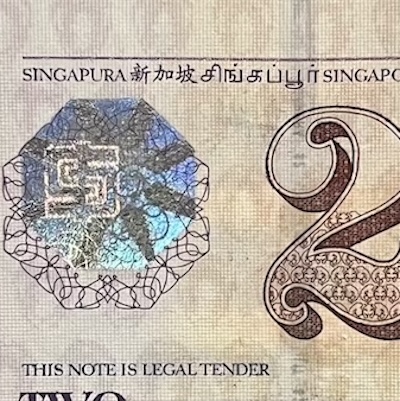
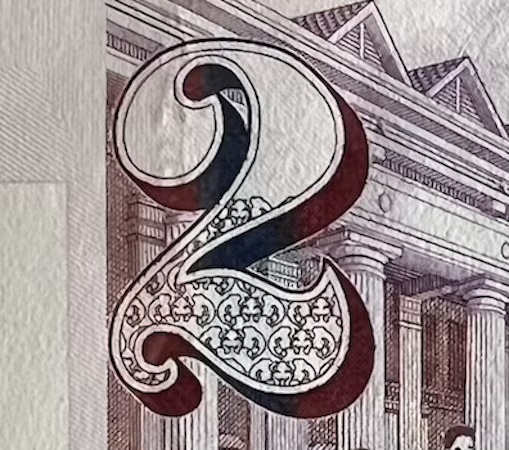
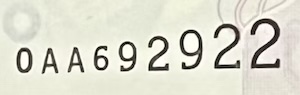
The smallest denomination of the Portrait series is the $2. This is the only series that does not have a $1 denomination. The Portrait series also had the fewest denominations—only seven denominations: $2, $5, $10, $50, $100, $1000, and $10000—the unpopular $500 has been removed, following after the $20/$25 which were already removed since the Ship series. Design-wise, the Portrait series was the first time the theme design on the front of the note—a portrait of Yusof Ishak—as well as most of its details, was kept identical throughout every denomination. Along with the Portrait $10, the Portrait $2 is now Singapore’s most widely used note.
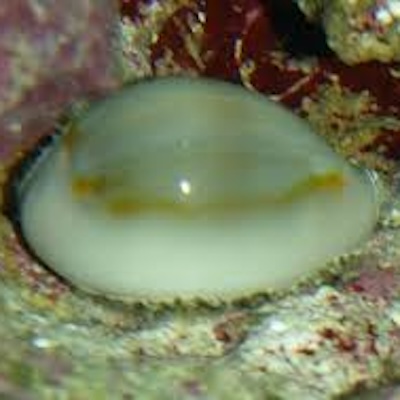
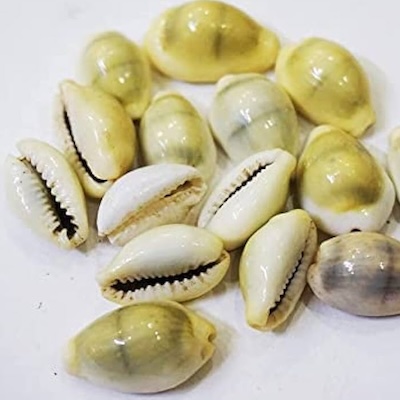
Cowries are a type of seashell. One special kind, called the money cowrie (Cypraea moneta), is a small sea snail with a smooth, shiny, rounded shell. Long ago, people in places like Africa, Asia, and the Pacific used these shells as money. They were popular because they were strong, easy to carry, and looked attractive. In ancient China, the shape of early metal coins was even inspired by cowries. In parts of West Africa, cowries were still used as money until the 1800s. Besides being used for trade, the money cowrie was also seen as a symbol of wealth, good luck, and protection, and was sometimes used in cultural and religious practices. Today, the money cowrie is also commonly used in aquariums to control algae. It eats only algae, is easy to care for, and can handle changes in temperature and salinity.
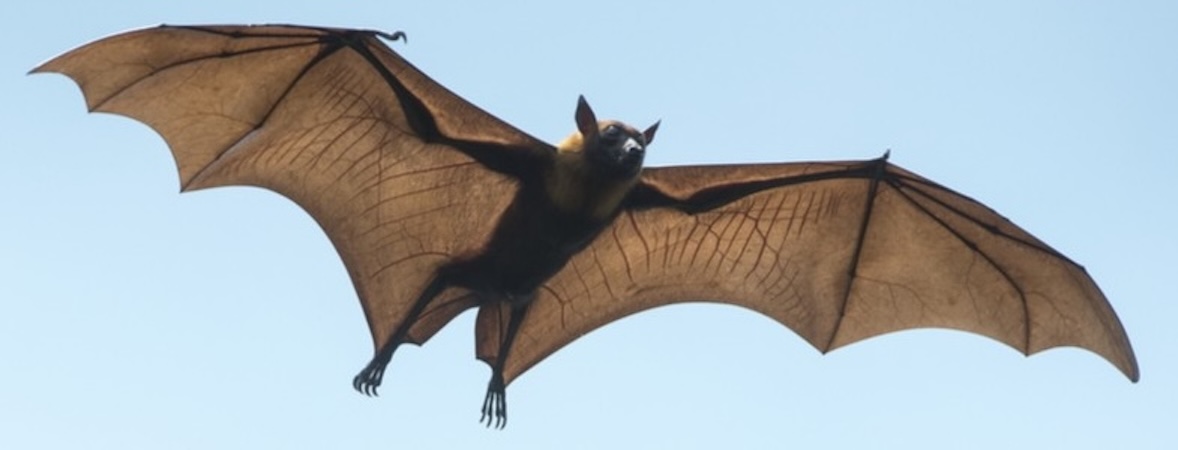
While the Western world links bats to darkness, misfortune, vampires, and more recently the COVID-19 pandemic, Chinese culture embraces them as harbingers of prosperity and happiness. Bats (蝙蝠, biānfú)are symbols of good fortune, happiness, and longevity. This association arises from the Chinese word for bat (蝠 fú), which sounds identical to the word for blessing or good luck (福 fú). Because of this phonetic connection, bats are commonly depicted in traditional art, often in groups of five, representing the Five Blessings (五福 wǔ fú)—longevity, wealth, health, virtue, and a peaceful death—yes, a peaceful death (善终 shàn zhōng) is considered a blessing in Chinese culture. Bats are frequently featured in embroidery, porcelain, and decorative motifs, sometimes shown flying around the Chinese character for fortune (福).
From Bilingual Roots to Critical Thinking Classrooms
Education
In 1997, Prime Minister Goh Chok Tong introduced the ‘Thinking Schools, Learning Nation’ vision. The initiative emphasised creativity and critical thinking in our students. It was in this era that ‘critical thinking’ components were introduced into school curricula, paving the way for modern pedagogies like project-based learning.
Singapore's Bilingual Policy
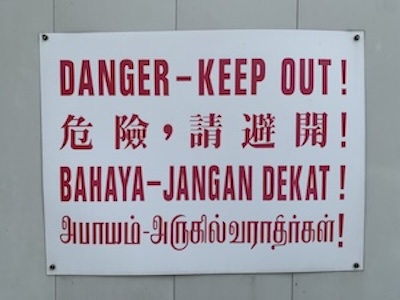
Singapore’s bilingual policy has played an important role in our country’s success. Since the 1960s, students have been learning both English and their Mother Tongue—Mandarin, Malay, or Tamil. English helps us connect with the world, while the Mother Tongue keeps our cultural roots strong. Many Singaporeans, especially those now in our 40s or 50s, have come to value this policy. It helps us feel comfortable in both Western and Asian settings.
Singapore School Ranking5
School rankings were introduced in the 1990s. This led to the rise of ‘elite schools’, like Raffles Institution and The Chinese High School, which were perceived as providing better academic opportunities. These rankings led to competition among schools, with principals striving to innovate in curricula and co-curricular activities to boost their school’s standing.
Market Value in 2024
Market Price: $24
Condition
• Ungraded
• Brand new
• No tears, pinholes, stains, foxing, creases or folds
Context
• The information here refers specifically to the banknote featured on the top of this page.
1. Prefix and banknote details from Vincent Tan and Tan Wei Jie, Singapore Banknotes: Complete Prefix Reference, Mr Banknotes, 2017.
2. Image from Seascape Studio. Source: https://www.seascapestudio.net/reference/invertebrate.php?id=135.
3. Image from Amazon listing. Source: https://www.amazon.sg/Kamal-Gatta-Natural-Chakra-Yellow/dp/B0B6BWKGKJ.
4. Image from Earth.com. Source: https://www.earth.com/news/bats-carry-dangerous-viruses/.
5. Image from The Smart Local. Source: https://thesmartlocal.com/read/best-primary-schools/.
Disclaimer
I built this website as a hobby, to share with others what I’ve learnt. All the information here is written based on my own research and understanding, and I don’t guarantee that everything is correct, complete, or updated. While I sell banknotes here, I don’t profit from them, as they are spare pieces from my private collection. All the banknote images here are taken by myself and they belong to me. The non-banknote images, with sources that I’ve attributed on every page, are used solely for illustration and non-commercial education purposes. If you are a copyright holder and believe something has been used inappropriately, please contact me, and I will immediately review or remove it.