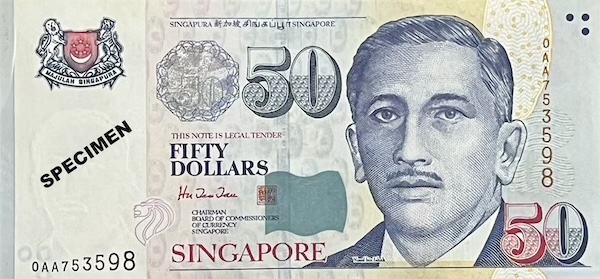
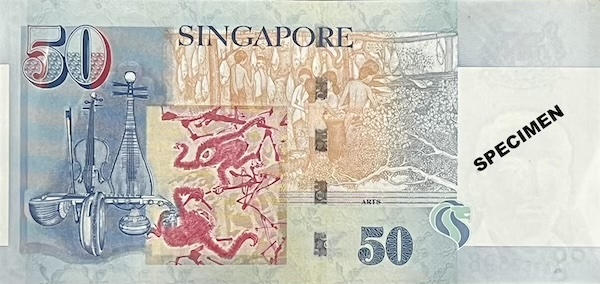
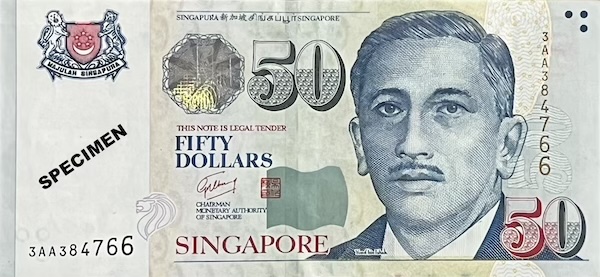
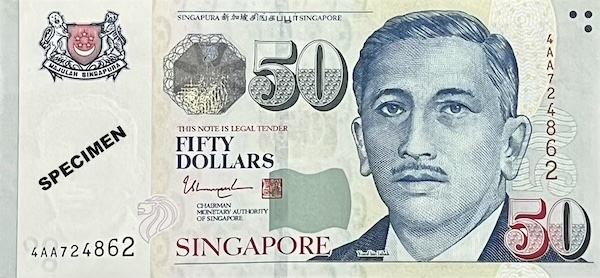
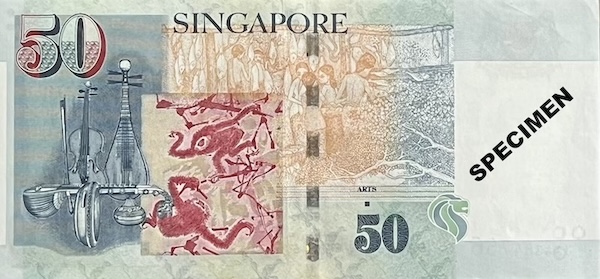
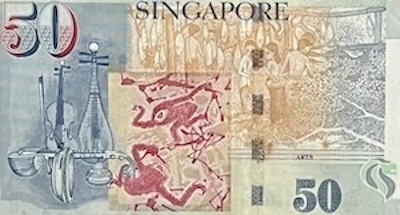
Our multicultural heritage continued to shine brightly, as we celebrated our diverse arts and ethnic traditions. Ethnic instruments like the Chinese pipa, Malay kompang, Indian veena, and classical violin produced melodies that weaved together our diverse cultural heritage. Local artists, through their paintings and sculptures, captured the diversity of our artistic expression. The arts reminded us of who we were, where we came from, and the beauty of our multicultural identity.
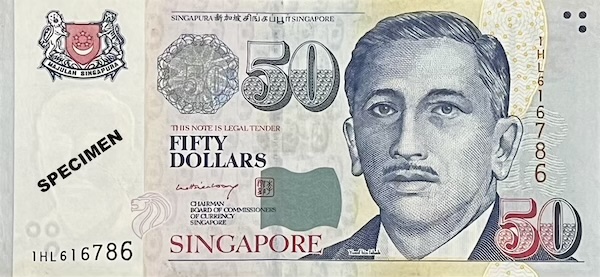
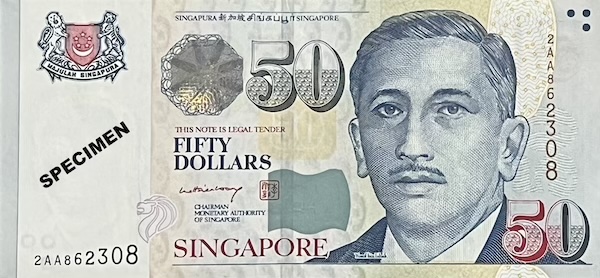
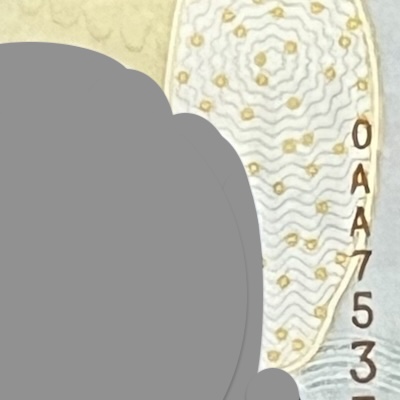
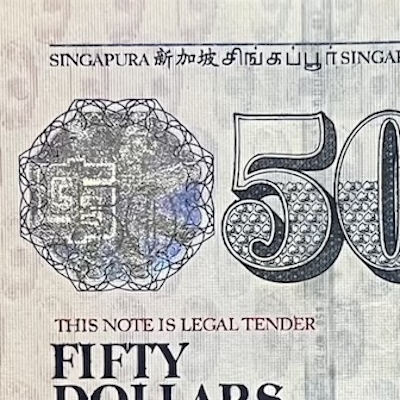
The $50 denomination has appeared the most times in Singapore’s currency history—a total of seven times. It was featured in the Orchid, Bird, Ship, and Portrait series, as well as in the SG25, SG50, and CIA50 commemorative notes. This comes as no surprise. The $50 note is practical and versatile, and therefore a convenient choice for everyday use and special occasions. This makes it a popular denomination for the government to issue over the years.
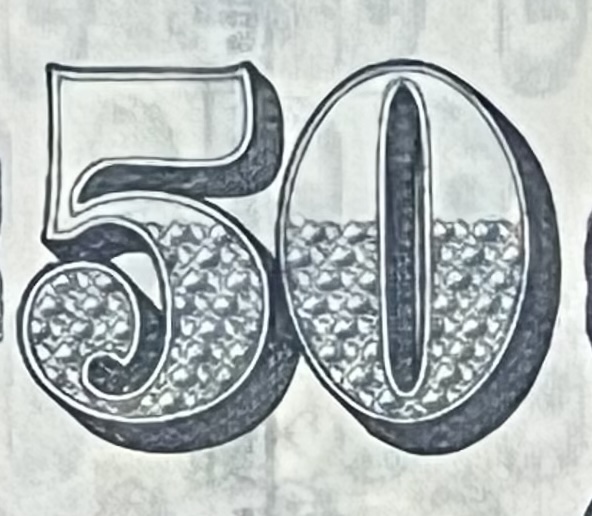
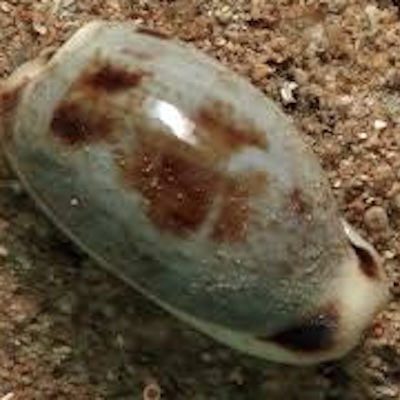
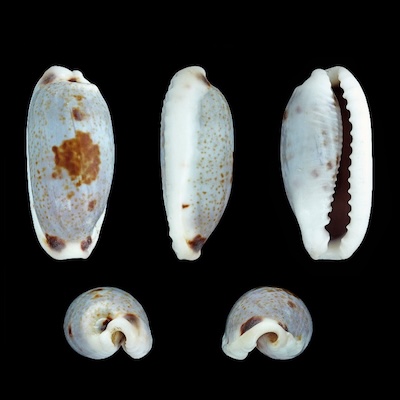
The cylindrical cowrie, known as Cypraea cylindrica, is a small sea snail with a smooth, shiny shell shaped like a short cylinder—hence its name. It was commonly found in Southeast Asia and the Pacific Islands, where it was used mainly for decoration, jewellery, and in traditional ceremonies. While other cowries like the money cowrie, wandering cowrie, and gold ring cowrie were more widely used as currency—especially in Africa and parts of Asia—the cylindrical cowrie was not as commonly used for trade. Instead, it held more cultural and symbolic value. People wore it as part of their clothing or used it in rituals, believing it could bring good blessings. Though not as famous as some of its relatives, the cylindrical cowrie is still treasured for its beauty and the meaning it carries in everyday life.
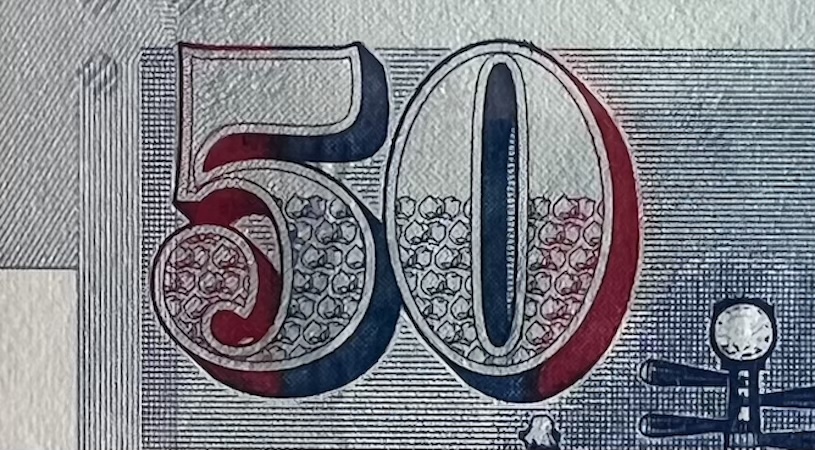
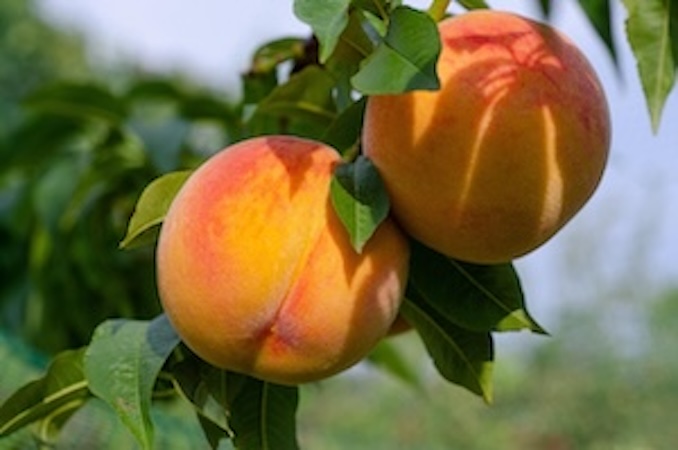
Peaches, or 桃子 (táo zi), have long been seen as more than just a tasty fruit in Chinese culture. They are a symbol of long life and good health. This belief comes from ancient stories, where peaches were said to grow in a heavenly garden and could give immortality to those who ate them. Chinese folklore narrates how the Monkey God, Sun Wukong 孙悟空, once sneaked into the garden of the Queen Mother of the West and ate the magical peaches, hoping to gain eternal life. Because of such legends, peaches became a popular gift for birthdays, especially for elders, as a way of wishing them a long and healthy life. You can find peach shapes in Chinese cakes, decorations, and even on birthday banners.
Growing with the Arts
Arts
In our early years, Singapore had a limited arts scene. Lee Kuan Yew had famously declared in 1968: “Poetry is a luxury we cannot afford.”People saw the arts as something extra, rather than a main part of life. Arts events were small, there were minimal platforms for local artists, and limited support for the arts. But things began to change in the late 1990s. The government began to invest more in arts education, funding, and generation of public interest. The opening of venues like the Esplanade in 2002 gave local artists a bigger stage.
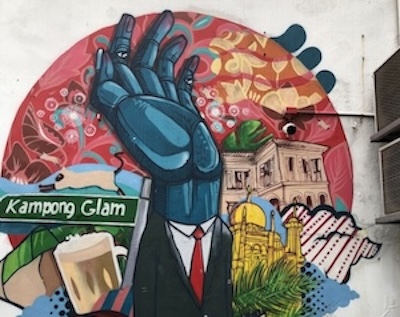
Street Art at Kampong Glam5
Today, art in Singapore isn’t confined to galleries or theatres—it’s part of the public landscape. From murals in neighbourhoods like Tiong Bahru to sculptures along Marina Bay, the government tries to infuse art as part of everyday life. The Public Art Trust, launched in 2014, supports installations in parks, MRT stations, and civic spaces, helping people connect with art in casual and meaningful ways. These works encourage everyone to engage with artistic expression and see creativity as part of the shared urban experience.
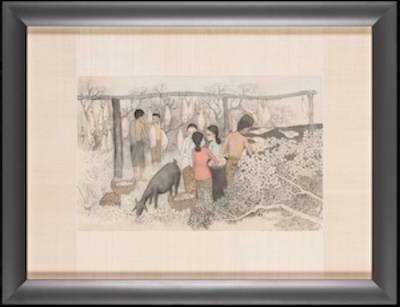
Cheong Soo Pieng's 'Drying Salted Fish'6
Local visual artists have played an important role in shaping Singapore’s art scene. Their works can be seen in places like the National Gallery Singapore and the Singapore Art Museum. Paintings like Chua Mia Tee’s ‘National Language Class’ and Cheong Soo Pieng’s ‘Drying Salted Fish’ reflect everyday life and important moments in Singapore’s history. In recent years, younger artists like Dawn Ng and Sarah Choo Jing have brought in fresh ideas using modern styles and technology. Their artworks explore topics like memory, identity, and daily experiences, helping people to see the world differently.
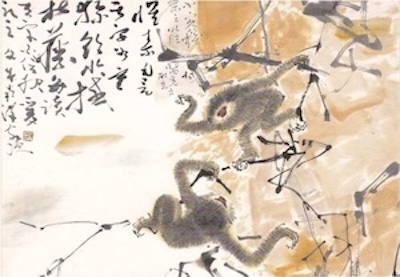
Chen Wen Hsi's 'Gibbons'7
Chen Wen Hsi’s painting of gibbons shows a pair of the animals swinging gracefully among tree branches. In Chinese tradition, gibbons are seen as intelligent creatures that live high in the mountains, away from the noise of human life. They are often linked to scholars and poets, admired for their quiet nature and connection to the rhythms of the natural world. Chen’s painting captures this sense of stillness and movement at the same time.
Market Value in 2024
Market Price: $85
Condition
• Ungraded
• Brand new
• No tears, pinholes, stains, foxing, creases or folds
Context
• The information here refers specifically to the banknote featured on the top of this page.
1. Prefix and banknote details from Vincent Tan and Tan Wei Jie, Singapore Banknotes: Complete Prefix Reference, Mr Banknotes, 2017.
2. Image by iNaturalist. Source: https://www.inaturalist.org/taxa/369166-Erronea-cylindrica.
3. Image by H. Zell, Wikipedia. Source: https://en.m.wikipedia.org/wiki/File:Erronea_cylindrica_cylindrica_01.JPG.
4. Image from New Creation Blog. Source: https://newcreation.blog/tag/forbidden-fruit/.
5. Image from VoiceMap. Source: https://voicemap.me/tour/singapore/street-art-hunting-in-kampong-glam.
6. Image by National Heritage Board. Source: https://www.roots.gov.sg/Collection-Landing/listing/1029403.
7. Image from Mothership. Source: https://mothership.sg/2019/08/chen-wen-hsi-s50-note-gibbons/.
Disclaimer
I built this website as a hobby, to share with others what I’ve learnt. All the information here is written based on my own research and understanding, and I don’t guarantee that everything is correct, complete, or updated. While I sell banknotes here, I don’t profit from them, as they are spare pieces from my private collection. All the banknote images here are taken by myself and they belong to me. The non-banknote images, with sources that I’ve attributed on every page, are used solely for illustration and non-commercial education purposes. If you are a copyright holder and believe something has been used inappropriately, please contact me, and I will immediately review or remove it.