• All commemorative notes, except 1996 MAS25 $25 and 1999 M2 $2 notes
Banknote prefixes are the letters and/or numbers that appear before the 6-digit serial number. Prefixes expand the number of serial numbers so that printing millions of notes stays neat and manageable. For example, if more than 12 million notes are printed and there are no prefixes, the serial number would require eight digits, like 12999654, which is long and messy. With prefixes, the numbers can stay shorter and easier to read, like A/12 999654. Prefixes also show which batch a note came from — for example, 1AA, 1AB, 1AC — which helps the authorities track, manage, and trace notes, especially if there are printing problems or if certain batches need to be recalled.
O100: Letter and Number
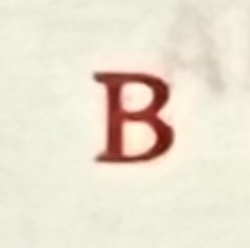
B20: Letter and Number
S50: Letter and Number
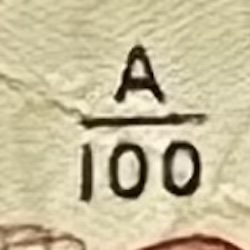
O10: A/100
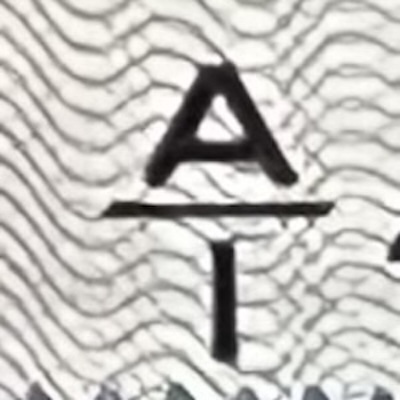
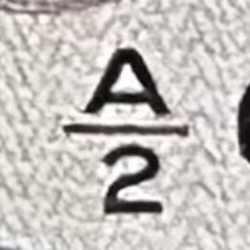
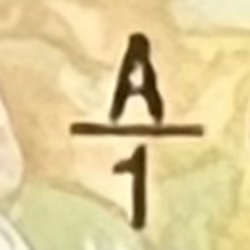
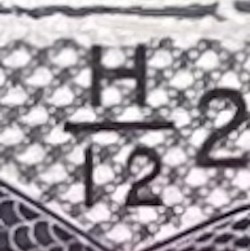
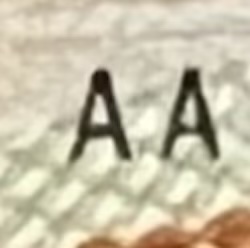
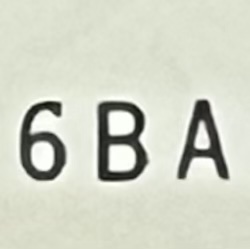
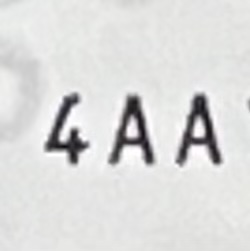
In the Orchid, Bird, and most of the Ship series, prefixes started with a letter and a number, like A/1, A/2, A/3, and so on. The numbers went up to 99 — for example, after A/99, the next prefix would be B/1. The only exception was the Orchid $10 note, which was the only one to use A/100. This system later changed with the last two Ship series notes: the $2 and $10000 notes. For these, the prefix switched to a two-letter format, such as AA, AB, AC, all the way to AZ, then BA, BB, BC, and so on. When the Portrait series was introduced, the format changed again to three characters: it now started with 0AA, 0AB, 0AC, up to 0AZ, then 0BA, 0BB, 0BC up to 0BZ, and then 1AA, 1AB, and so on.
S2: Two Letters
S10000: Two Letters
P10: Number & Two Letters
P1000: Number and Two Letters
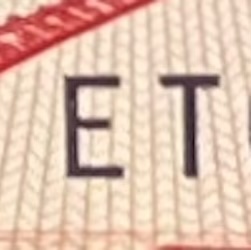
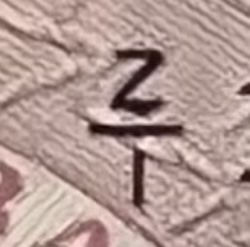
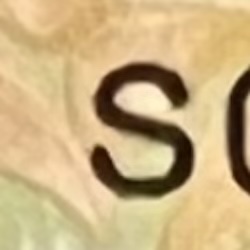
Prefixes are usually issued in order, with some exceptions. The letters I and O are always skipped when assigning prefixes, to avoid confusion with the numbers 1 and 0. The letter Z is usually used for replacement notes and are inserted whenever needed, rather than being the next letter after Y. The letter S is sometimes used as a single-letter prefix for specimen notes, and is not part of the normal circulation sequence. In the Portrait series, there have been even more obvious cases where prefixes were not issued in sequence. For example, when the first 10 million $10 polymer notes were released for testing in 2004, they all took the “AA” prefixes and some “AB” prefixes — i.e. from 0AA to 9AA, and 0AB to 2AB — without following the sequence of 0AA, 0AB, 0AC, and so on. It was only the new batches issued various years after this initial release that carried on from “AB” or “AC” onwards. Separately, the prefix 5EA was released before 5BA, and 9BA has been issued in early 2025 even though the 8-series prefixes have not yet been circulated. Similarly, for the $2 note, prefix 9CA has been released even though the 8-series, as well as 9AA and 9BA, have not yet appeared.
O25: Replace-ment Z1
B20: Specimen S
P50: 0YI
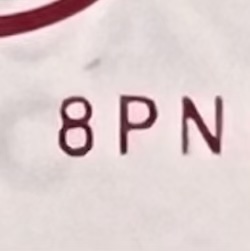
P1000: 8PN
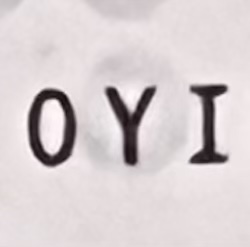
Sometimes, special prefixes are used to mark momentous occasions. When the Portrait series was first launched, a special set of notes with the prefix “0YI” was released for auction. These are the only Singapore notes ever to use the letter “I” in the prefix, even though it could easily be confused with the number 1. The letters “YI” in these notes are the initials of “Yusof Ishak”, Singapore’s first president, whose portrait is used on the notes. At the same time, a pair of Portrait $1000 and $10000 notes with the prefix “8PN,” printed in red, were issued together with the commemorative book The Presidential Notes. “PN” stands for “Presidential Notes.”
SG25: One Letter
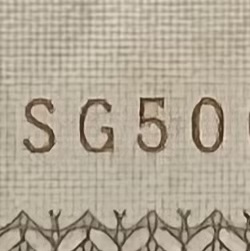
SG50-50 Special: SG50
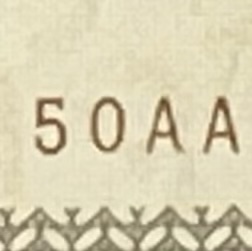
SG50-50 Regular: 50 and Two Letters
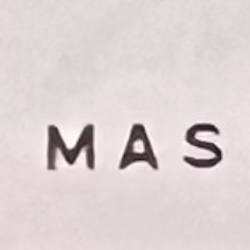
P10 MAS First Issue: MAS
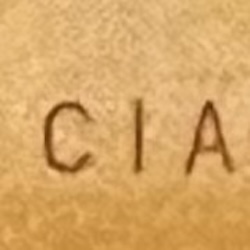
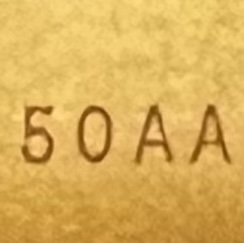
Other commemorative notes also used special prefixes. A single letter was used as the prefix for the 1990 SG25 note. “SG50” was used for a special edition of the 2015 SG50 $50 note, and a four-letter prefix starting with “50AA” was used for the regular edition. “MAS” was the prefix for the first notes issued by MAS in 2004 as the new issuing authority, having taken over from BCCS. “SGD” was the prefix for a special edition of the 2007 CIA40 note, “CIA” for a special edition of the 2017 CIA50 note, and a four-letter prefix starting with “50AA” for the CIA50 regular edition.
CIA40 Special: SGD
CIA50 Special: CIA
CIA50 Regular: 50 and Two Letters
M2: Millennium Logo
Some notes are unique for other reasons: the 1996 MAS25 commemorative note had no prefix at all — only a six-digit serial number. The 1999 Millennium $2 note replaced the prefix with a logo and used a seven-digit serial number, with the first digit effectively serving as the prefix.
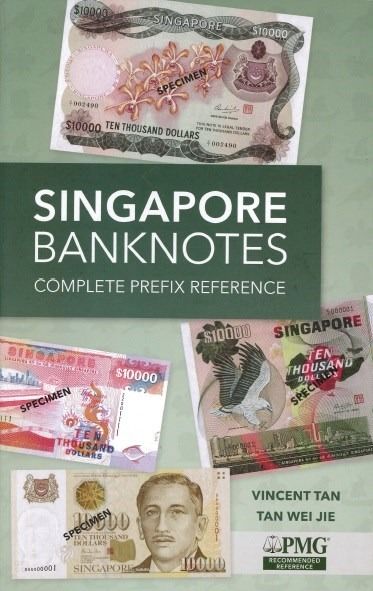
Anyone wishing to learn more about Singapore’s banknotes should read the book Singapore Banknotes: Complete Prefix Reference by Vincent Tan and Tan Wei Jie. It provides a catalogue of all the banknotes, prefixes, and variations found in Singapore’s banknotes. It is an indispensable guide for collectors. I referred to the book extensively when learning about banknotes and preparing this website. I would therefore like to take this opportunity to express my sincere gratitude to the authors for painstakingly compiling the information and making them available to enthusiasts.
Disclaimer. I built this website as a hobby, to share with others what I’ve learnt. All the information here is written based on my own research and understanding, and I don’t guarantee that everything is correct, complete, or updated. While I sell banknotes here, I don’t profit from them, as they are spare pieces from my private collection. All the banknote images here are taken by myself and they belong to me. The non-banknote images, with sources that I’ve attributed on every page, are used solely for illustration and non-commercial education purposes. If you are a copyright holder and believe something has been used inappropriately, please contact me, and I will immediately review or remove it.