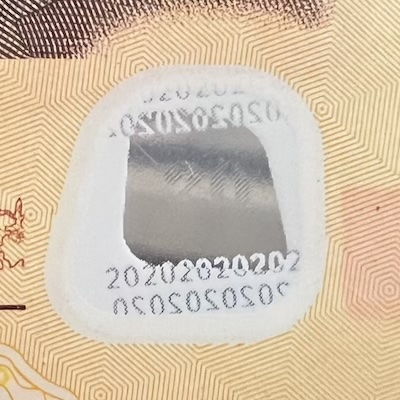
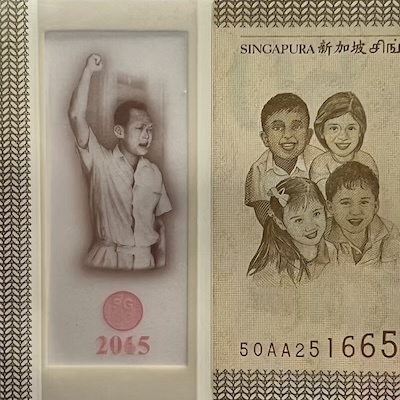
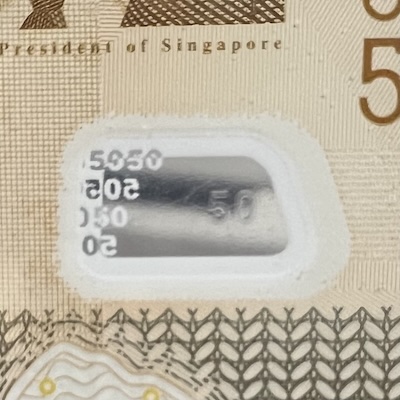
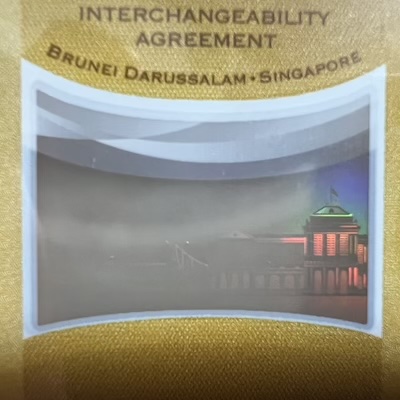
• 2007 CIA40 $20, 2015 SG50 $50 and $10, and 2017 CIA50 $50 commemorative notes
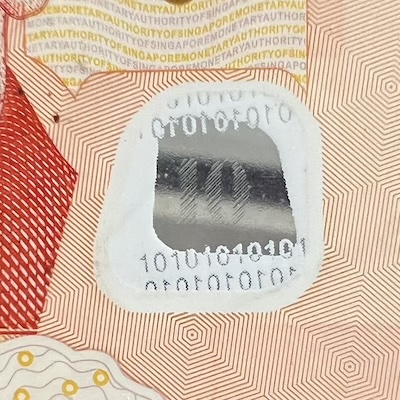
See-through windows are clear, unprinted areas found on polymer banknotes. They are made from the same plastic material as the note itself and are included during the manufacturing process. These windows cannot be added later with ink or printed designs, which makes them hard to copy using ordinary paper or printing tools. Because polymer cannot hold traditional watermarks or threads like paper notes, the see-through window becomes an alternative way to check if a note is real. Often, extra features—like small text or symbols—are added inside the window to make it even harder to fake.
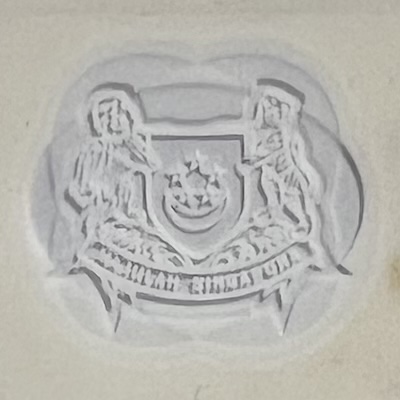
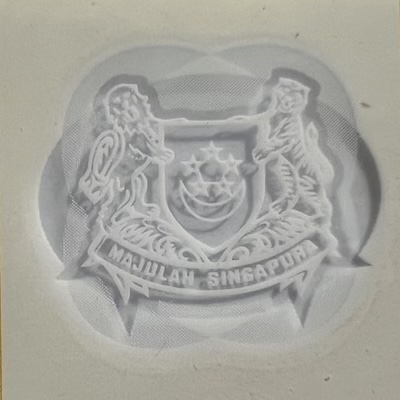
P2: Coat of Arms
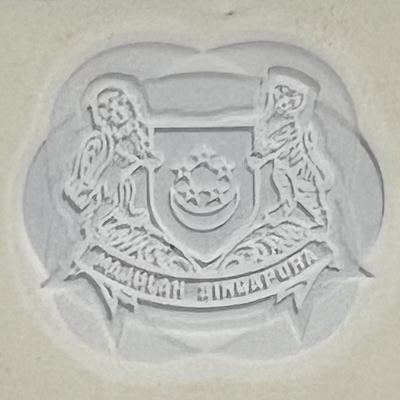
P5: Coat of Arms
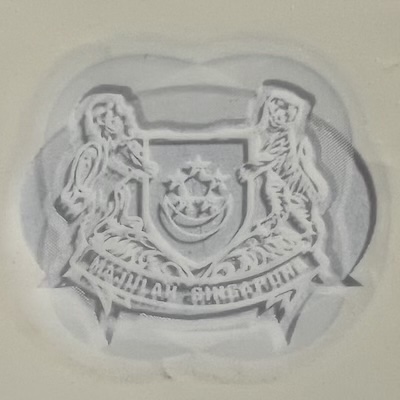
P10: Coat of Arms
CIA40: Coat of Arms
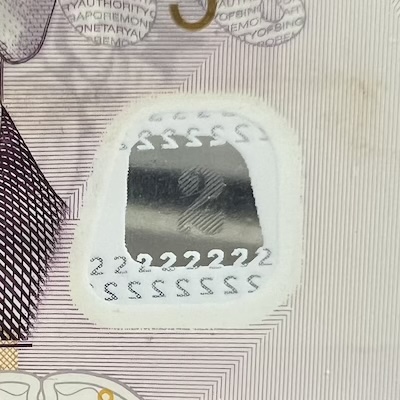
P2: Denomination
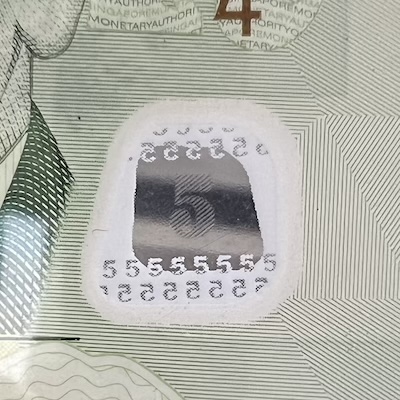
P5: Denomination
P10: Denomination
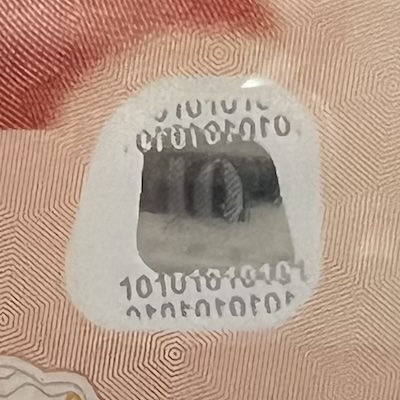
CIA40: Denomination
In Singapore, see-through windows were first used in the 2004 polymer version of the $10 Portrait note. This note had two windows: one with the National Coat of Arms, and another with the denomination value, along with tiny repeated rows of that value. Later, see-through windows were also added to the $2 and $5 polymer notes, keeping the same design style. The 2007 CIA40 $20 note had two windows with similar features. In 2015, the SG50 $50 note included two windows: one with the denomination, and another with an image of Lee Kuan Yew shouting “Merdeka!”. The SG50 $10 note had only one window, showing the denomination. The 2017 CIA50 note had a single window with images of historical landmarks from both Singapore and Brunei.
Disclaimer. I built this website as a hobby, to share with others what I’ve learnt. All the information here is written based on my own research and understanding, and I don’t guarantee that everything is correct, complete, or updated. While I sell banknotes here, I don’t profit from them, as they are spare pieces from my private collection. All the banknote images here are taken by myself and they belong to me. The non-banknote images, with sources that I’ve attributed on every page, are used solely for illustration and non-commercial education purposes. If you are a copyright holder and believe something has been used inappropriately, please contact me, and I will immediately review or remove it.