Forged by the Sea: Singapore's Shipbuilding Heritage
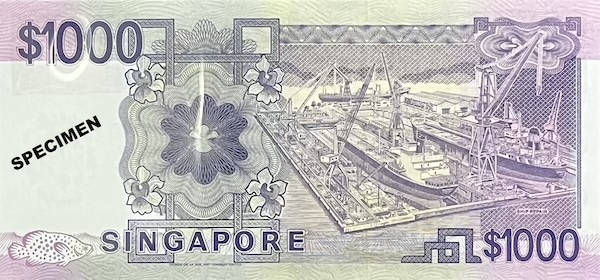
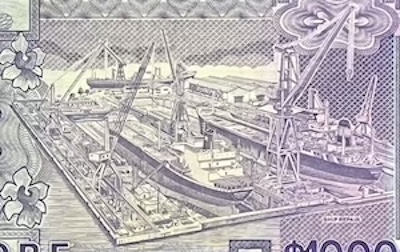
The shipbuilding and repair yards were powerful symbols of Singapore’s industrious spirit and deep maritime roots. Spread along our busy coastline, these yards pulsed with constant activity—cranes swinging overhead, sparks flying from welders’ torches, and shipwrights hard at work shaping steel giants. The towering hulls and steady clang of metal filled the air, serving as daily reminders of a growing economy and Singapore’s rising prominence in the global maritime trade. These yards were more than just worksites—they were places where ambition, craftsmanship, and national progress came together.
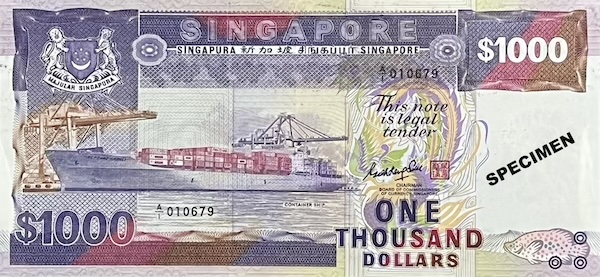
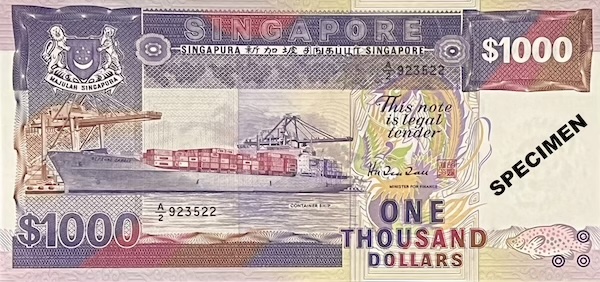
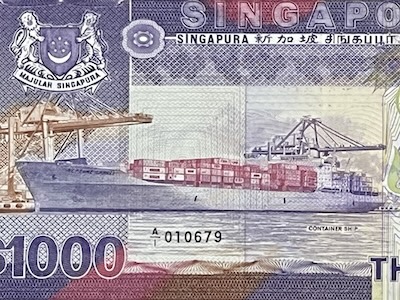
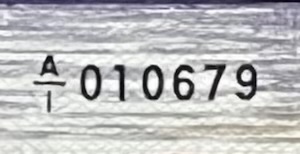
Among all the notes in the Ship series, the $1000 note was the first to be issued, in 1984—even though it was the second highest denomination. Unlike the Orchid and Bird Series, the lower and common denominations of the Ship notes were neither launched first nor concurrently; instead, the Ship series released the $1000 denomination first, followed by the other denominations which were released in no particular order, over ten different dates across seven years. The Ship $1000 was also the first note to feature the Vanda Miss Joaquim, which had been declared Singapore’s national flower only a few years earlier, in 1981. From then on, the orchid appeared on every note in the series. Interestingly, the Ship $1000 was also one of only two notes in the Ship series—the other being the $1 note—that did not include micro-lettering. This was because the technology had not yet been introduced when they were printed. Micro-lettering only appeared later in 1987, starting with the $50 and $100 notes.
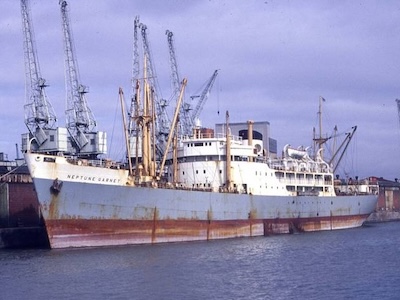
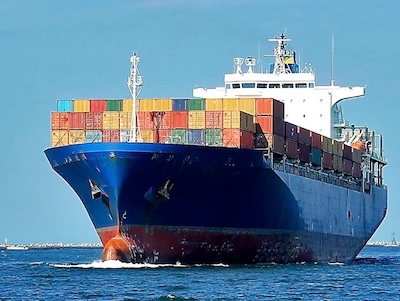
In the 1970s, container ships changed the way goods were moved around the world. Instead of loading items one by one, goods were packed into large metal containers that could be easily lifted by cranes. This made shipping much faster, safer, and more efficient. In Singapore, container ships became a common sight at the port as the country grew into a major trading hub. One such ship was the Neptune Garnet, which carried containers filled with goods between Singapore and other ports in Asia and beyond. Today, most of the world’s trade moves by container ships. They are large, powerful, and carry thousands of containers at a time, helping Singapore stay connected to the global economy.
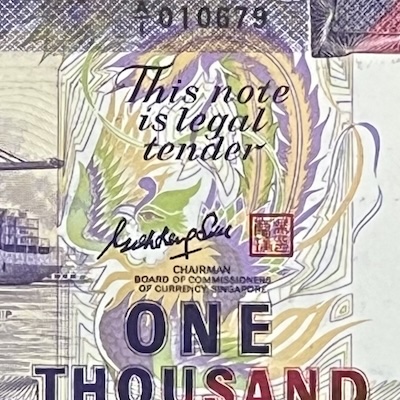
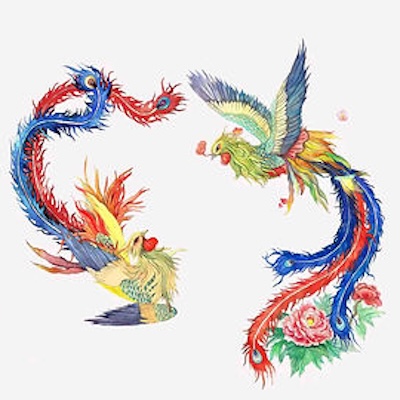
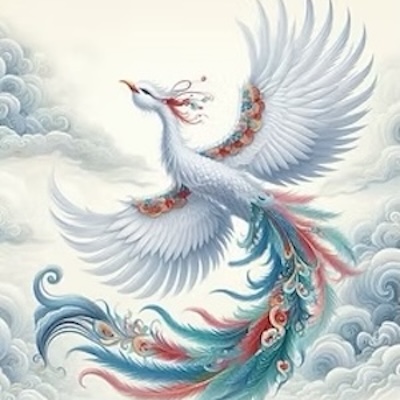
The Chinese phoenix, which also appeared in the Ship $10, is a colourful and meaningful symbol with a long history. It was believed to be a special bird from the heavens that appeared only during times of peace and goodness. Long ago, people saw the phoenix as two birds—a male (fèng, 凤) and a female (huáng, 凰). Over time, these two became one bird, representing balance and often linked to the empress, beauty, and grace. Old stories describe the phoenix as a mix of different animals—like the head of a pheasant, the beak of a rooster, the body of a goose, and the tail of a peacock. The phoenix is usually shown with feathers in five colours—red, yellow, blue, white, and black, matching the five elements in Chinese beliefs: fire, earth, wood, metal, and water, showing that the phoenix brings harmony between nature and the heavens. In traditional Chinese art, the phoenix is often seen flying among clouds or sitting next to peony flowers, which together symbolise beauty, luck, and honour. In feng shui, the phoenix is seen as a lucky sign that brings good energy and new chances in life.
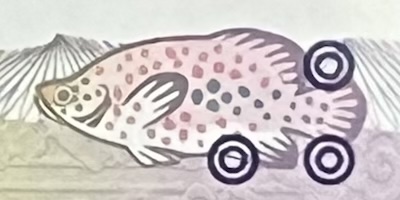
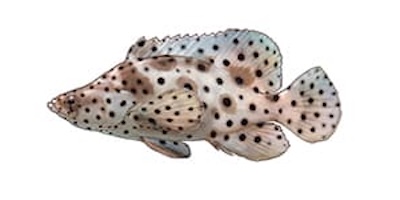
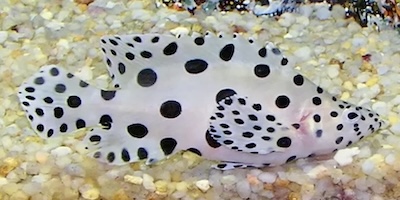
In Singapore, the polka dot grouper is a prized fish known for its tender flesh and delicate flavour. With its pale body and black spots, it stands out at live seafood tanks in restaurants and markets. Also called humpback grouper or ‘mouse grouper’ (老鼠斑), this fish is popular in Chinese cuisine, especially during special occasions like weddings and family celebrations. It is often steamed whole with soy sauce and ginger to bring out its natural sweetness. In the past, wild-caught polka dot groupers were rare and expensive, making them a luxury item for many. Today, most are farmed in the region, but they are still seen as premium fish. For many families, serving a polka dot grouper at the table is a sign of abundance and celebration.
Shipyards, Hawker Stalls, and Hard Work
Sembawang Ship Repair Yard
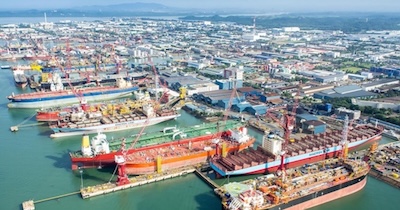
By the 1980s, Singapore had become one of the world’s busiest and most advanced places for ship repair. Big companies like Keppel Shipyard and Sembawang Shipyard led the way, with modern equipment and skilled workers. Because Singapore is located along major shipping routes like the Straits of Malacca, many ships stopped here for repairs and maintenance.
Keppel Shipyard8
In 1994, Keppel Shipyard built one of the biggest floating docks in the world. It could service huge ships, including supertankers and large cargo vessels weighing over 300,000 tonnes. This gave Singapore an edge in the ship repair business and attracted more international contracts. It also showed Singapore’s strong skills in engineering and helped grow its status as a global maritime centre.
Hawker Centre at Jalan Benaan Kapal9
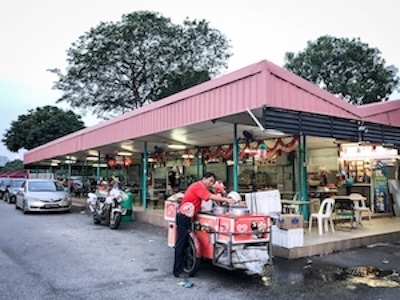
Nearby, shipyard workers often visited a small hawker centre at Jalan Benaan Kapal, which means ‘shipbuilding road’. Built in 1968 near the Kallang Basin, this hawker centre had about 10 stalls selling drinks, noodles, nasi lemak, mee rebus, and more. It became a regular hangout spot for workers to eat, rest, and chat after a long day. As of 2024, this humble hawker centre is still standing in the same place.
Market Value in 2024
Market Price: $1100
Condition
• Ungraded
• Brand new
• No tears, pinholes, foxing, creases or folds
• Small print marks
Context
• The information here refers specifically to the banknote featured on the top of this page.
9. Image by Miss Tam Chiak. Source: https://www.misstamchiak.com/one-pot-steamboat/.
Disclaimer
I built this website as a hobby, to share with others what I’ve learnt. All the information here is written based on my own research and understanding, and I don’t guarantee that everything is correct, complete, or updated. While I sell banknotes here, I don’t profit from them, as they are spare pieces from my private collection. All the banknote images here are taken by myself and they belong to me. The non-banknote images, with sources that I’ve attributed on every page, are used solely for illustration and non-commercial education purposes. If you are a copyright holder and believe something has been used inappropriately, please contact me, and I will immediately review or remove it.