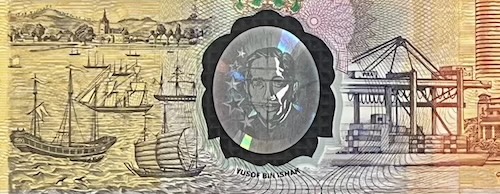
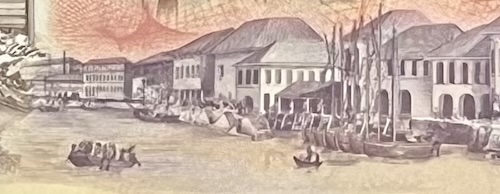
• 1990 SG25 $50 and 2019 B200 $20 commemorative notes
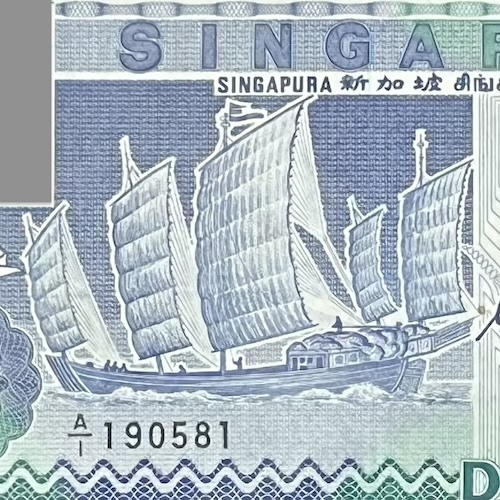
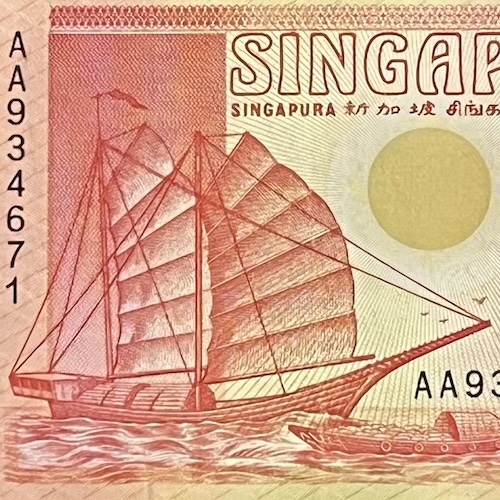
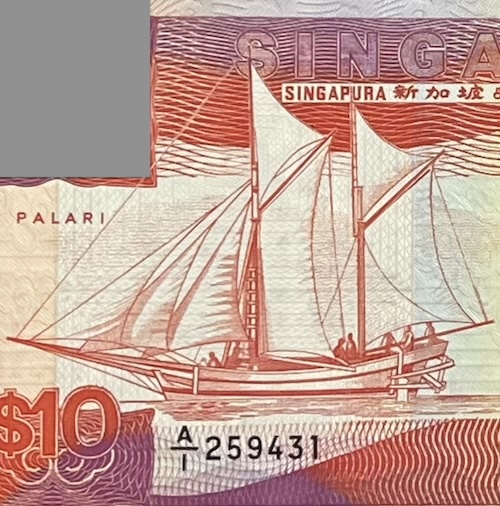
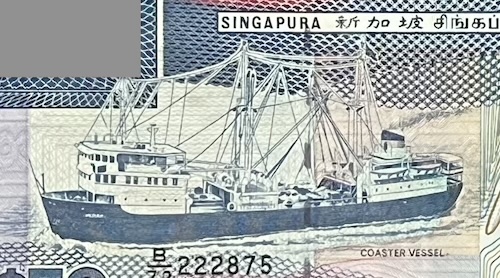
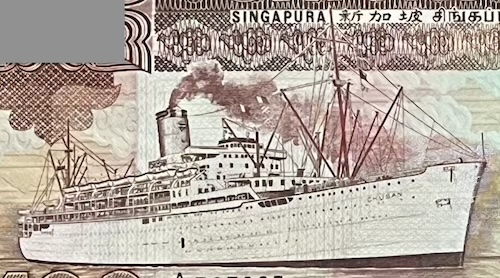
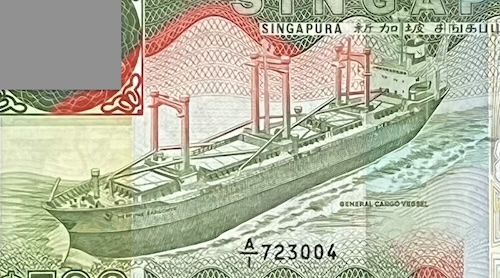
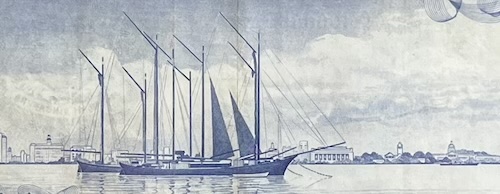
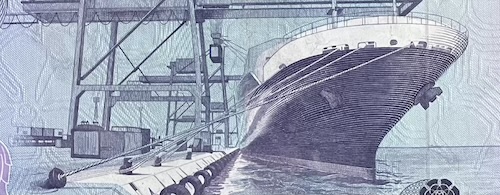
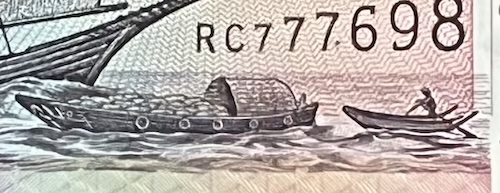
The third series of Singapore’s banknotes used ships as the main theme because shipping has played a big part in our history and development. This Ship Series showed how merchant ships helped turn Singapore from a small trading place into one of the world’s busiest ports. Each note showed a different type of ship that once sailed through our waters. The lower denominations showed older boats like the sha chuan and twakow, progressing to the higher denominations which showed modern ships like the general cargo vessel and bulk carrier. Besides the main ship images, many other notes also had ships or boats in the background, especially when they depicted scenes of the Singapore River, container terminals, and shipyards.
S1: Sha Chuan
S2 Orange: Tongkang
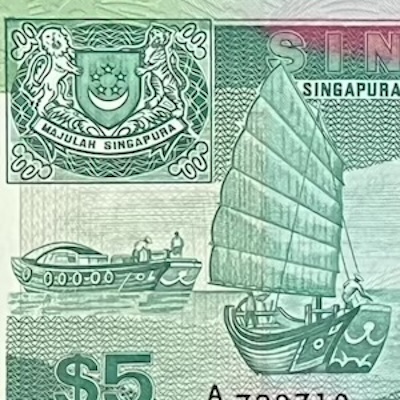
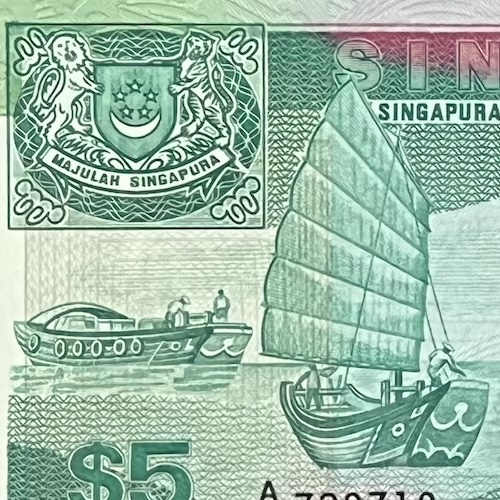
S5: Twakow
S10: Barter Trading Vessel
Shipping has been important to Singapore long even before we became a British colony. Our island sits at a key spot along sea routes between China, India, and Southeast Asia. As early as the 1300s, traders from the region and faraway places like Arabia stopped here to rest, load and unload goods, or move cargo from one ship to another. Back then, we were called Temasek, and old records from Java and China already described us as a busy port. Our deep natural harbour and position at the narrowest point of the Straits of Malacca gave us a big advantage, even if we weren’t the biggest port at the time.
S50: Coaster Vessel
S100: Passenger Liner
S500: General Cargo Vessel
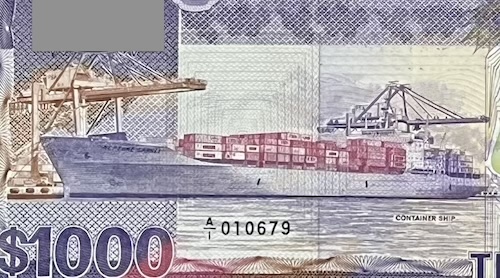
S1000: Container Ship
This was why Stamford Raffles chose Singapore in 1819 as a British trading post. At the time, most of the trade in the region was controlled by the Dutch, who had ports in Batavia (now Jakarta), Malacca, Riau, and Surabaya. But the Dutch made traders pay high taxes, which made trade slow and expensive. The British wanted a free port with no taxes or restrictions, and Singapore was a perfect place—no strong local rulers, and a great harbour. This gave traders a new, cheaper, and faster choice.
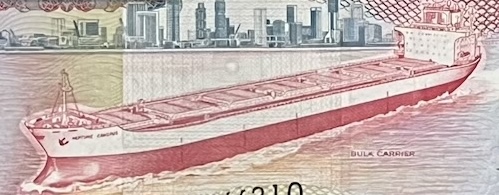
S10000: General Bulk Carrier
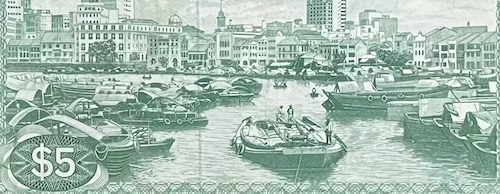
O5 (Back)
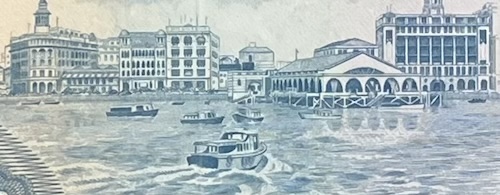
O50 (Back)
O100 (Back)
During the colonial times in the early 1900s, shipping continued to be the heart of our economy. Goods like rubber, tin, and spices came in from nearby places, and goods moved between India, China, Europe, and beyond. The port gave jobs to many people—dock workers, cargo handlers, and traders. As steamships and later container ships replaced sailing boats, Singapore upgraded our port to handle more ships and bigger loads. Even during World War II, whoever controlled our port had control over regional trade.
B1000 (Back)
S2 Purple (Front)
SG25 (Front)
B200 (Back)
After we became independent in 1965, we had no natural resources—but we had a good port. The government invested in better port facilities and set up the Port of Singapore Authority to run it. We were one of the first countries in Asia to build terminals for container ships, which helped us stay ahead in global shipping. Our port became known for being fast and reliable, attracting even more ships. Today, Singapore connects with over 600 ports in 120 countries, and shipping is still a key part of our economy.
Disclaimer. I built this website as a hobby, to share with others what I’ve learnt. All the information here is written based on my own research and understanding, and I don’t guarantee that everything is correct, complete, or updated. While I sell banknotes here, I don’t profit from them, as they are spare pieces from my private collection. All the banknote images here are taken by myself and they belong to me. The non-banknote images, with sources that I’ve attributed on every page, are used solely for illustration and non-commercial education purposes. If you are a copyright holder and believe something has been used inappropriately, please contact me, and I will immediately review or remove it.