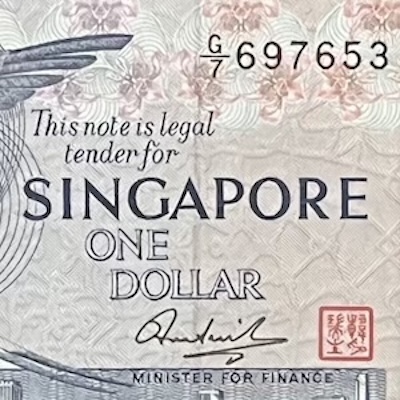
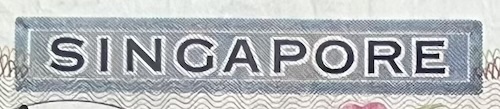
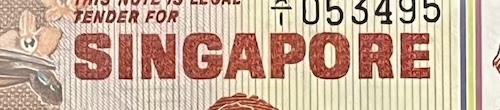
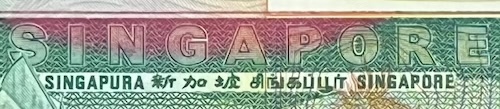
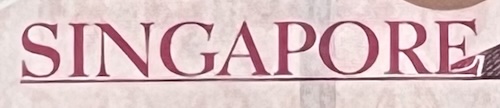
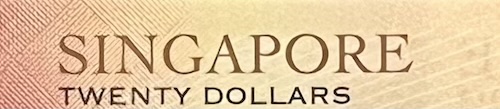
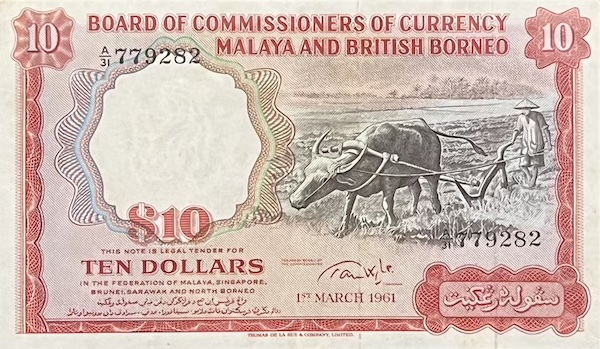
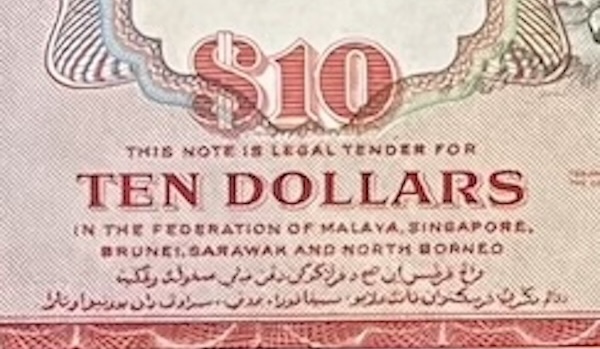
Although it may not seem like a big deal at first, it was actually very meaningful when our first banknotes in 1967 — and every note after that — showed the name SINGAPORE proudly in bold, capital letters on the front. This was a statement that we were now an independent country. In colonial times, Singapore’s name only appeared in small print or as part of longer sentences on the notes, never standing out on its own. By placing SINGAPORE on every note, we told ourselves and the world that we were now in charge of our own future — a nation that stood proudly on our own name.
O1
B10
Long ago, before we were called Singapore, our island was known as Temasek, likely from a Malay or Javanese word meaning “Sea Town.” By the 14th century, Temasek was already a busy trading hub, known for its good location along important sea routes. Even today, the name Temasek lives on in places like Temasek Holdings, reminding us of our early days as a port city.
S5
P1000
Our name changed to “Singapura” after a Sumatran prince, Sang Nila Utama, landed here in the 13th or 14th century. According to legend, he saw a creature that he thought was a lion and took it as a lucky sign. He named the island “Singapura” from the Sanskrit words “Simha” (lion) and “Pura” (city), meaning “Lion City”. Even though lions never lived here, the lion became a symbol of courage and remains part of our national identity. Over time, as our island grew and new rulers came, Singapura became the name that people used more often, slowly taking the place of Temasek.
MAS25
B200
The name Singapura was used for centuries in Malay and other regional languages. When the British arrived and established a trading post in 1819, they used the English version of the name, which became Singapore. This name has remained with us ever since.
Disclaimer. I built this website as a hobby, to share with others what I’ve learnt. All the information here is written based on my own research and understanding, and I don’t guarantee that everything is correct, complete, or updated. While I sell banknotes here, I don’t profit from them, as they are spare pieces from my private collection. All the banknote images here are taken by myself and they belong to me. The non-banknote images, with sources that I’ve attributed on every page, are used solely for illustration and non-commercial education purposes. If you are a copyright holder and believe something has been used inappropriately, please contact me, and I will immediately review or remove it.